Xpeng Group and Banma Intelligent have announced a partnership to develop a vehicle-grade AI cockpit solution that runs large language models locally in the car. The platform, unveiled at the 2026 Yunqi Conference, combines Xpeng's Turing AI chip with Banma's AutoOmni multimodal on-device model, enabling 30-billion-parameter models to run entirely on the vehicle's hardware, according to Gasgoo.
The system uses an architecture that prioritizes on-device processing, with the cloud handling only low-frequency tasks such as news and weather updates. With 750 TOPS of computing power from a single chip, the platform supports multi-turn conversations, multimodal perception, offline knowledge queries, and complex task planning without requiring a network connection. This allows the AI cockpit to function in tunnels, underground garages, and other areas with weak or no signal, as well as in overseas markets where network coverage and privacy regulations may limit cloud reliance.
Turning chips into a computing foundation
Xpeng's Turing AI chip serves as the computing base for the solution and is designed to support AI cars, AI robots, and flying vehicles. Banma Intelligent said it has already secured cooperation with more than 60% of automakers for on-device model integration. The partnership aims to combine high-performance automotive-grade chips with vehicle operating systems to offer automakers an integrated package of chip, AI operating system, and large model.
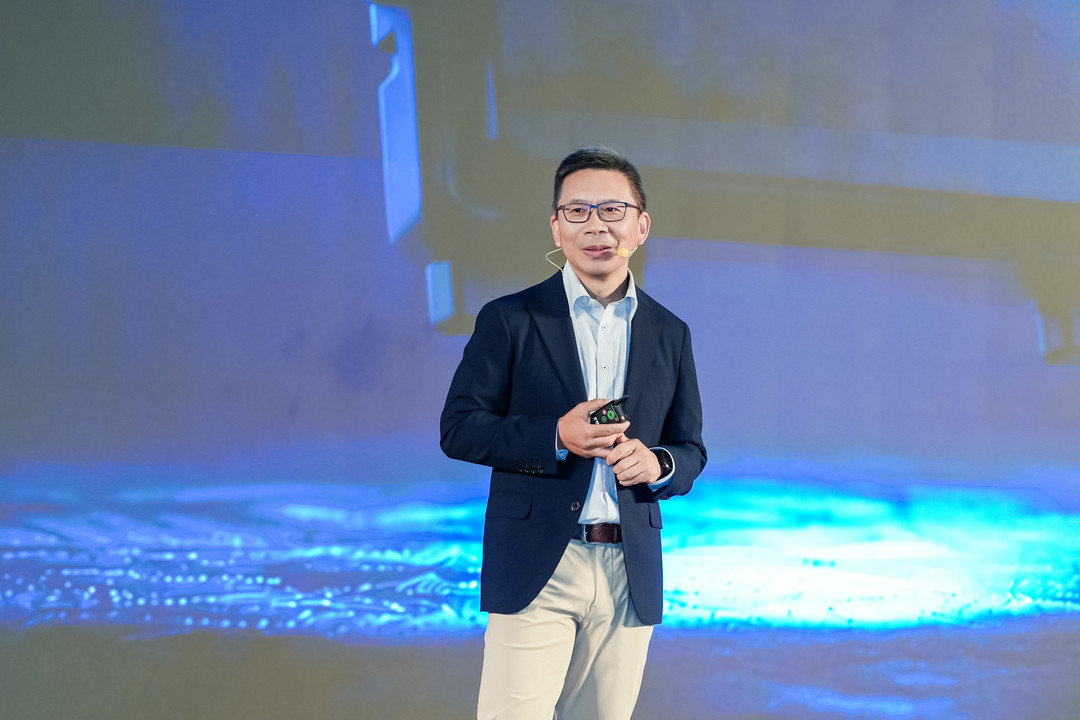
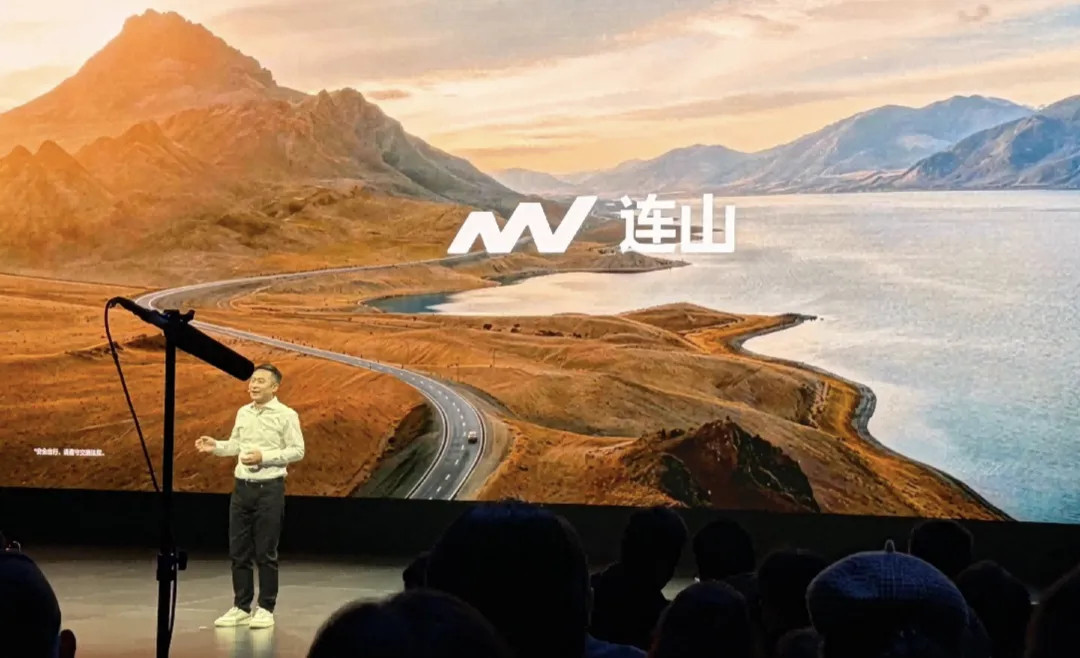
Michael, head of Xpeng's intelligent computing center, said the competitive focus in large models is shifting from cloud-based parameter scale to on-device inference capability. He noted that the new solution demonstrates that 30B-level models can run stably on automotive-grade chips. Banma Intelligent co-CEO Hao Fei said the two companies will start with intelligent vehicles and expand to provide software-hardware integrated AI solutions for more embodied intelligent terminals.
The companies plan to continue refining model adaptation and development tools, targeting the mid-to-high-end vehicle market for deployment.