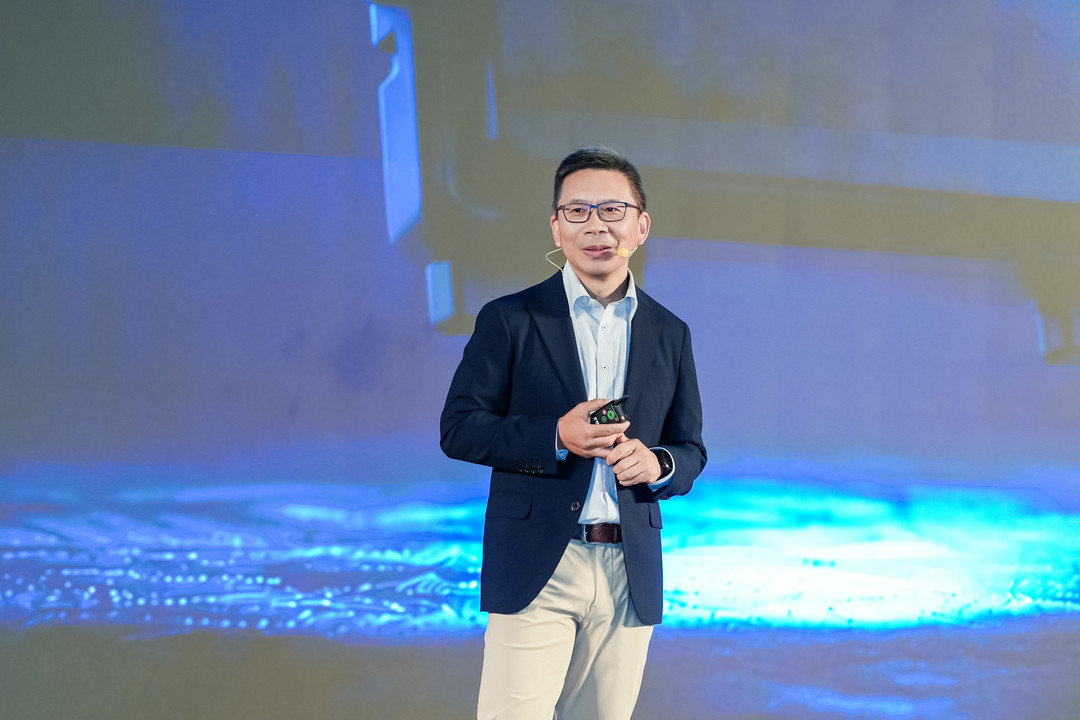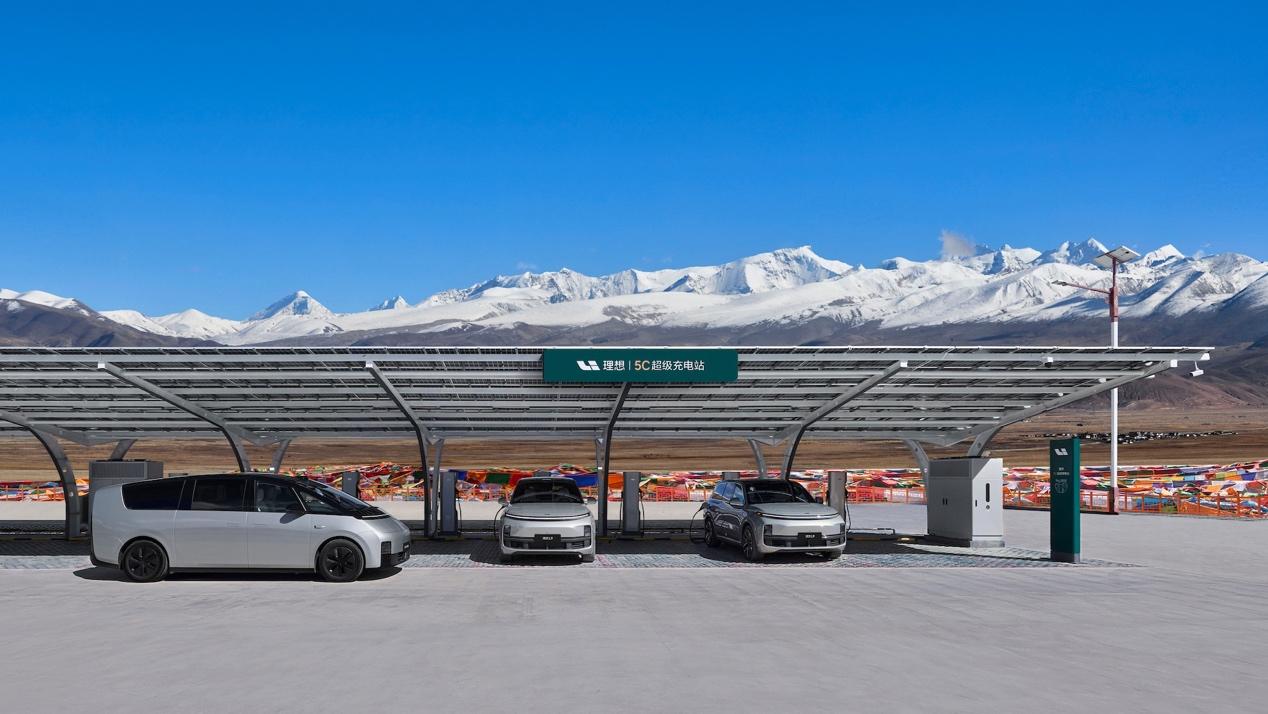
Li Auto is doubling down on in-house technology development even as its finances deteriorate, according to a report by D1EV, a Chinese EV news outlet. At its Power Day event on October 20, the company unveiled its "Lianshan" electric technology platform, under which it will define and integrate its own battery cells, e-motors and ultra-fast charging network. President and chief engineer Ma Donghui explained the rationale: "We can buy the best parts in the world, but we cannot buy the 'tacit understanding' between parts."
The push comes as Li Auto's profitability has collapsed. In the first half of this year, the company posted a net loss of 3.98 billion yuan (about $561 million), compared with a profit of 1.74 billion yuan (about $245 million) a year earlier. Vehicle gross margin fell from 19.6% to 7.8%. The company still plans to spend around 12 billion yuan (about $1.69 billion) on R&D this year, with more than half directed to AI-related work and only about 200 million yuan (about $28 million) on battery development.
CFO Li Tie attributed the margin squeeze to model transitions, a rising share of the lower-priced i6 and L6 models, and purchase tax subsidies. The average revenue per vehicle dropped to about 226,000 yuan (about $31,800) in the first quarter, roughly 40,000 yuan (about $5,600) less than a year earlier. The i6, which starts at 249,800 yuan (about $35,200), now accounts for about 60% of sales, while the high-priced MEGA has fallen to just over 1% of the mix.
Why self-development now?
Li Auto's previous advantage—clever product definition using off-the-shelf components from CATL and Nvidia—is eroding. The share of EREVs (range-extender electric vehicles) in the market fell to 6.4% in the first half, and features like refrigerators, TVs and sofas have become standard in vehicles priced above 250,000 yuan (about $35,200). Industry-wide, automakers are struggling: according to the China Association of Automobile Manufacturers, the profit margin for vehicle manufacturing was only about 1.5% in the first half, meaning a 200,000-yuan (about $28,200) car leaves the maker with just 3,000 yuan (about $423) in profit.
Meanwhile, battery maker CATL reported net profit of 43.28 billion yuan (about $6.1 billion) in the first half, up 42% year-on-year, and its domestic market share actually rose to 50.1% in the first quarter. Raw material costs are also climbing: battery-grade lithium carbonate prices rose more than 70% from the start of the year to mid-May. According to a report by Leiphone citing informed sources, the cost of the new L6's battery alone increased by more than 8,000 yuan (about $1,130) due to larger capacity and higher lithium prices, pushing total vehicle cost up by over 14,000 yuan (about $1,970).
Li Auto's approach contrasts with peers. BYD, which makes its own cells, motors and chips, saw its gross margin actually improve to 18.85% in the first half. Leapmotor, which claims over 65% self-developed core components, had to cut its full-year profit target from 5 billion yuan (about $704 million) to 3 billion yuan (about $423 million) in August. Huawei's Harmony Intelligent Mobility partners hand over ADAS, cockpit, e-motor and battery platforms to Huawei, but the automaker behind the Aito brand, Seres, still expects a first-half loss of 1.5 to 1.8 billion yuan (about $211 million to $254 million).
Li Auto's own scale is limited—it delivered 406,300 vehicles in 2025, while Leapmotor delivered 356,500 in the first half alone—so it cannot match BYD's volume for cell manufacturing. It is unwilling to hand core technology to Huawei, and it has not yet achieved Tesla's valuation as a tech company. Self-development is thus both a cost-reduction strategy and a bid to establish a "technology company" valuation anchor in the capital markets.
Taking on battery risk
At Power Day, Li Auto made a bold pledge: if a self-developed battery causes a fire that totals the vehicle due to a quality defect, the company will replace it with a new car of the same configuration. If a fire results from a collision or scrape, Li Auto will cover the difference between the insurance payout and the actual loss. This effectively puts the risk of battery failure on the automaker itself.
The company argues it can price this risk because its Lianshan platform integrates battery, e-motor, charging pile and cloud data, allowing it to detect battery risks three days in advance. Based on the 2025 fire rate of 0.18 per 10,000 new energy vehicles, even if all fires were attributed to battery quality, the expected payout per vehicle per year would be only about 4 yuan (about $0.56). But that calculation requires data that only vertical integration can provide.
Li Auto learned this lesson last October when it recalled 11,411 MEGA vehicles due to insufficient corrosion protection in a batch of coolant, which could corrode the cooling aluminum plates of the battery and front e-motor controller, potentially leading to thermal runaway. The recall cost about 2 billion yuan (about $282 million). The cells came from CATL, but the problem lay in system integration—the automaker's own responsibility.
To secure manufacturing capacity, Li Auto formed a 50-50 joint venture battery company with Sunwoda last year, and in September it invested 2.65 billion yuan (about $373 million) to become Sunwoda Power's second-largest shareholder. Sunwoda Power lost 3.17 billion yuan (about $447 million) in 2025 and has a debt ratio near 84%, so Li Auto now shares that risk. For e-motors, Li Auto is already producing silicon carbide modules and complete drive units at its Suzhou and Changzhou plants, and its self-designed Maher M100 chip began installation in vehicles in the second quarter.
Ma Donghui calls externally sourced batteries a "gray box": automakers cannot see the cell's raw material formula, production process or individual cell test data, making it impossible to assign responsibility when problems arise. By bringing development in-house, Li Auto is trying to control both cost and quality—and to turn part of its R&D into an independently valued asset.