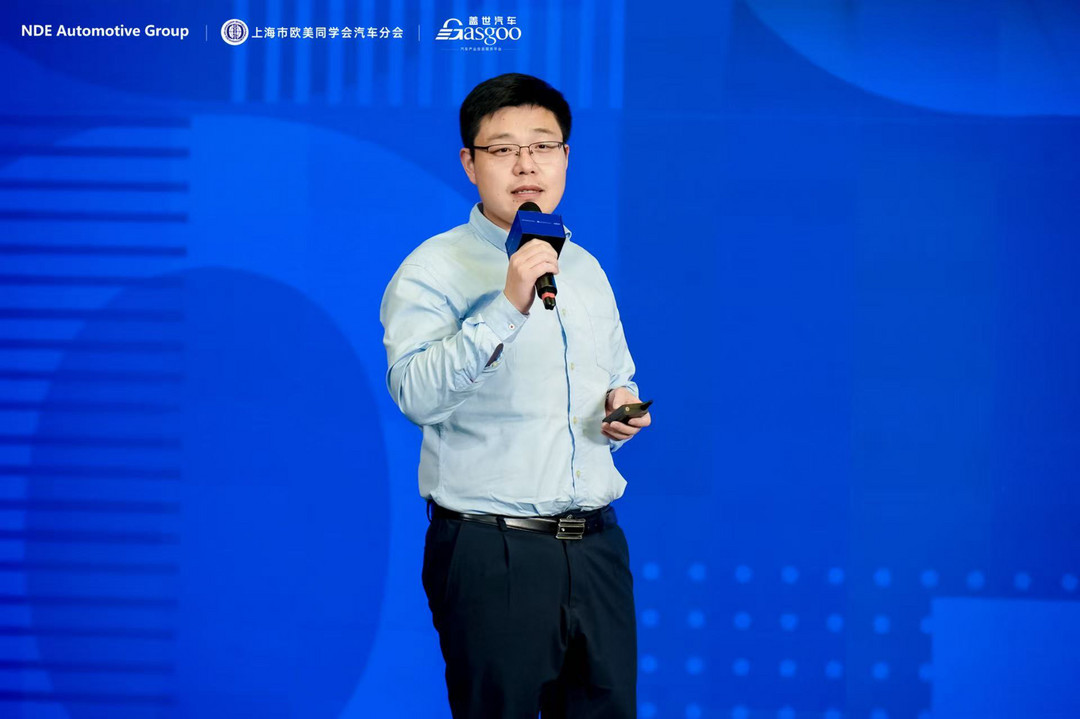
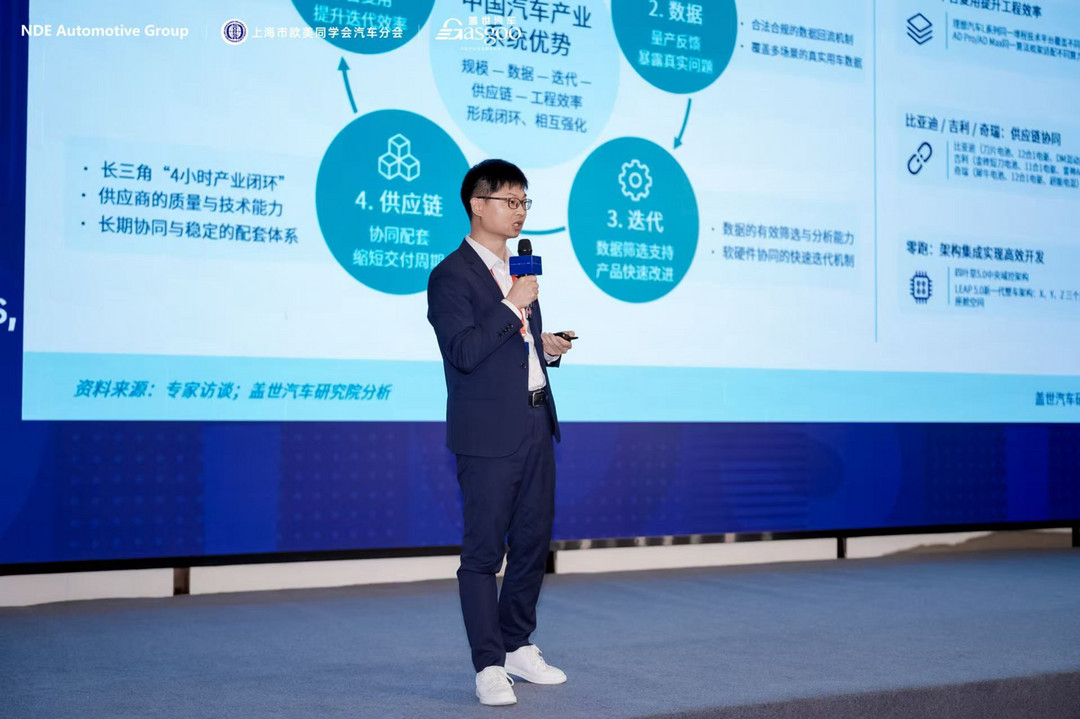
Thailand is pushing ahead with its "3030" plan to make new-energy vehicles account for 30% of domestic auto production by 2030, according to Tripob Bhumiyanman, executive vice president of the Thailand Automotive Institute (TAI). Speaking at the 2026 Taidao Forum in Tianjin, he detailed the country's ambitions and the gaps it must close in supply chains and skilled labour, as reported by Gasgoo.
A regional EV hub in the making
Thailand has more than 60 years of automotive manufacturing history and is a major export base in Southeast Asia, Bhumiyanman said. In 2025, the country produced about 1.5 million vehicles, with exports accounting for 60% of output. Under its EV3 and EV3.5 incentive schemes, which tie import quotas to local production commitments, Thailand sold 123,000 battery-electric vehicles (BEVs) last year, giving it the largest new-energy vehicle (NEV) market share in ASEAN.
Several Chinese automakers, including BYD, GWM and GAC Aion, have already established local production bases in Thailand. The country's EV push is part of a broader strategy to cement its position as Southeast Asia's automotive gateway, leveraging existing infrastructure and trade links.
Addressing weak links
Despite the sales momentum, Bhumiyanman acknowledged that Thailand's NEV supply chain is still in its infancy. He called for urgent development of software and electrical/electronic component capabilities, which remain underdeveloped. Future priorities include planning for battery recycling and echelon use, as well as building test infrastructure for advanced driver assistance systems (ADAS) and battery-specific evaluation.
The industry also faces a talent shortage, he said, urging the cultivation of engineers with combined mechanical and software skills. On the policy front, Thailand is preparing tax measures for hybrid vehicles, with vehicle carbon footprint and ADAS configuration expected to be included in tax assessment criteria.
The remarks come as Chinese EV makers increasingly look to Southeast Asia for growth, with Thailand emerging as a key manufacturing and export hub. The country's mix of incentives, existing auto industry base and regional trade advantages make it an attractive destination, though infrastructure and skills development remain critical to meeting the 2030 target.