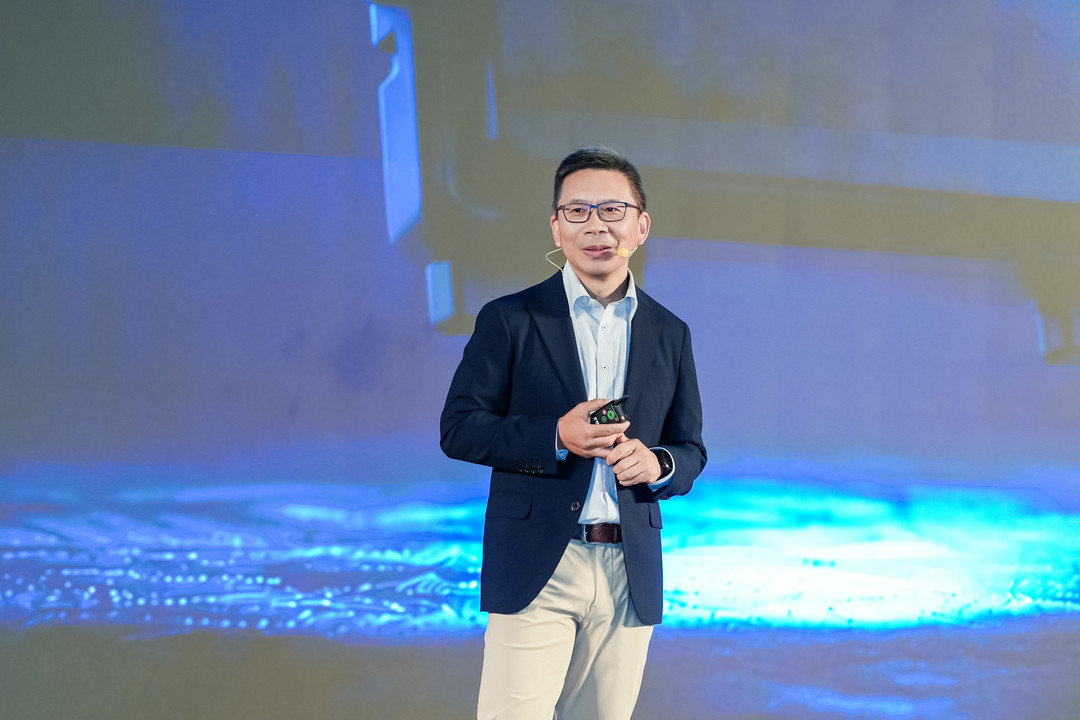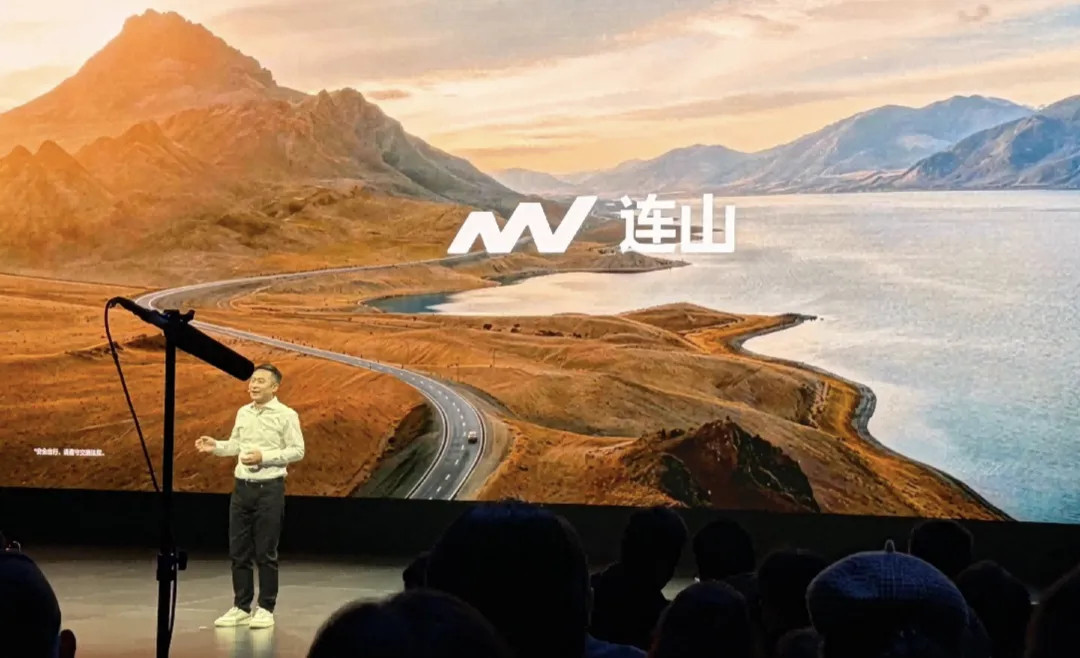
More than 1,000 delegates from government, industry and academia gathered in Suzhou on September 8 for the 2026 International Automotive Smart Cockpit Conference, a two-day event themed around AI-driven, proactive interaction and the rise of intelligent agents as the basis for next-generation cabin ecosystems, according to Sina Auto.
Hou Fushen, secretary-general of the China Society of Automotive Engineers, said in his opening address that the cockpit industry is undergoing three simultaneous shifts: AI is moving from an application plug-in to the native foundation of the vehicle, vehicles are entering an AI-native design era, and competition is escalating from single-point technology to cross-domain ecosystem capability. He called for stronger underlying technology, a return to real driving scenarios, and greater exchange between Chinese practice and global innovation.
AI-native cabins and new grading system
Several speakers detailed how cabin technology is evolving. Guo Gang, a professor at Chongqing University and chair of the society's smart-cockpit sub-committee, said the industry is moving from CL2-level command interaction to CL3-level high-cognition cabins, with AI agents and integrated cockpit-and-chassis architectures as current hotspots. Great Wall Motor chief technology officer Wu Huixiao described the company's Coffee OS evolution from rule-driven to AI-native development, including a "1+3+N+AI" architecture for global markets that aims to solve regulatory compliance and cultural adaptation. Huawei's smart-cockpit product director Lu Ning said cabins are shifting from passive response to intent recognition and human-like interaction, with HarmonyOS cockpit using a multimodal large-model architecture and open ecosystem to help automakers differentiate.
China Automotive Intelligence, a subsidiary of state-owned China Automotive Technology and Research Center, released a five-level grading system for cockpit AI capability, ranging from rule-based response to full-domain intelligence. The system covers perception, execution, planning and collaboration, and is designed to give automakers a quantifiable benchmark for choosing AI features. The World UHD TV Industry Alliance said its Vivid in-car audio-video standards, including HDR Vivid and AUDIO Vivid, have been deployed in 25 car brands, 62 models and more than 2.8 million new-energy vehicles.
Industry cluster and design awards
Suzhou has become a hub for intelligent connected vehicles, with more than 800 related companies and an industry scale exceeding 100 billion yuan (about $14.1 billion), according to Wu Xuxiang, deputy secretary-general of the Suzhou municipal government. The city was approved as one of China's first pilot zones for vehicle-road-cloud integration, and has recently seen the listing of autonomous-driving company Momenta, the launch of Baidu Apollo's open-source intelligent-driving community, and the opening of CATARC's East China headquarters. Xiangcheng district, where the conference was held, has attracted more than 460 intelligent-driving companies across 30-plus segments and built over 300 kilometres of intelligent connected roads.
The conference also announced 10 leading smart-cockpit technology achievements, including iFlytek's Spark full-modal human-like interaction system, a dual-brain cockpit agent developed by Dongfeng and Baidu, and Banma's on-device full-modal large model. The 2026 OPC creative design competition, themed "Smart Cabin: Origin," drew 289 entries from universities, companies and independent designers; Geely University won first prize for a multimodal health and emotion therapy cabin concept, while Tongji University and Volkswagen took second prizes.