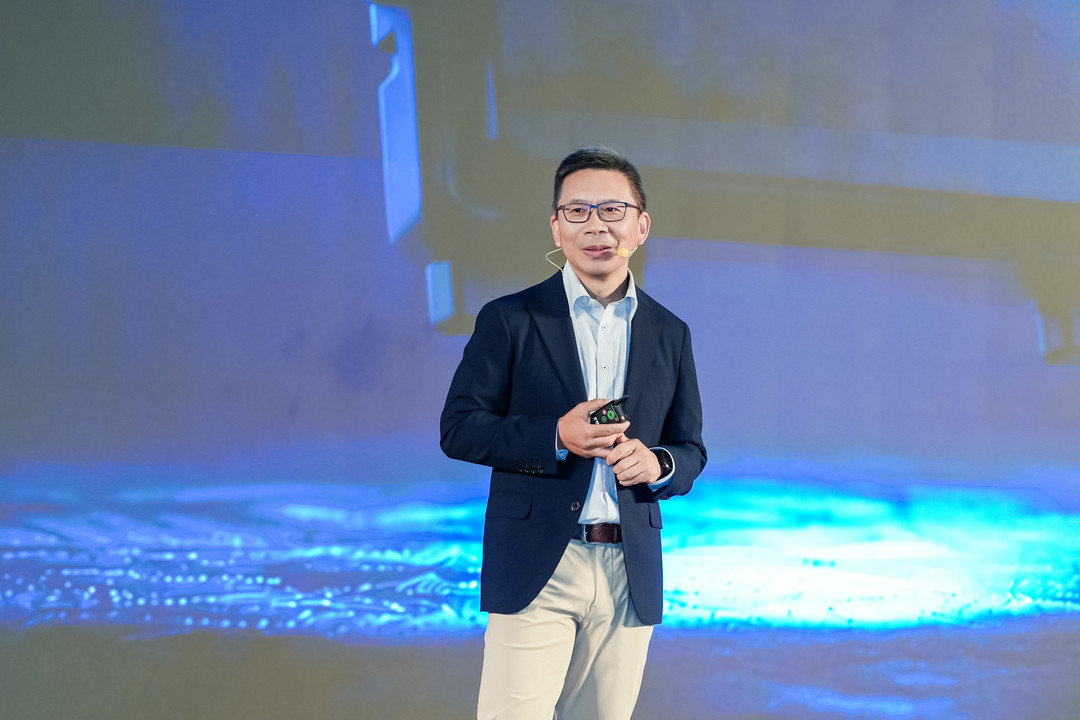
Renxin Technology, a Chinese fabless semiconductor company, said its R-LinC series of automotive SerDes bridge chips has secured design wins for nearly 50 production and development models, according to Gasgoo. The company showcased the chips at the 2026 AITX Automotive Innovation Technology Exhibition, where it also revealed that monthly shipments have climbed from hundreds of thousands of units at the start of the year to several million units per month.
What the chips do
SerDes (serializer/deserializer) chips are critical for high-speed data transmission in modern vehicles. The R-LinC series enables long-distance, low-latency video transfer from cameras and radar sensors to the autonomous-driving domain controller, as well as from the cockpit domain controller to displays. The lineup includes a 16Gbps camera image transmission chip and a newly mass-produced 32Gbps display transmission chip, covering the core high-speed links between a smart vehicle's perception systems and its cockpit.
The company has partnered with multiple mainstream automakers and Tier 1 suppliers. Confirmed models using the chips include GAC Aion's N60 and the Hyper GT Climbing Edition. Renxin also said its six-in-one highly integrated solution has entered mass production, reducing peripheral components and lowering overall system costs for automakers while meeting high-speed transmission requirements.
Scaling up production
2026 is a key year for Renxin as it ramps up volume production. The company has locked in capacity through long-term strategic partnerships with leading global wafer foundries and packaging and testing firms, and has implemented a full-process management mechanism from sales forecasting to delivery fulfillment. This has enabled the rapid growth in monthly shipments from hundreds of thousands to millions of units.
For the 32Gbps display chip, Renxin said it focused on automotive-grade engineering across all scenarios, completing stability adaptation under extreme conditions and multi-platform vehicle-level compatibility testing. The chip has passed full automotive-grade certifications including AEC-Q100, addressing performance consistency issues in high-volume production to meet automakers' installation standards.
Looking ahead, Renxin's vice president of operations, Qin Jiwei, outlined a clear global roadmap. After consolidating its domestic market base, the company plans to adopt the R&D and quality systems of international Tier 1 suppliers, pursue international automotive certifications, and follow leading Chinese automakers' overseas expansion by supplying chips for their global vehicle programs. The goal is to gradually secure design wins and achieve volume delivery for mainstream global models.