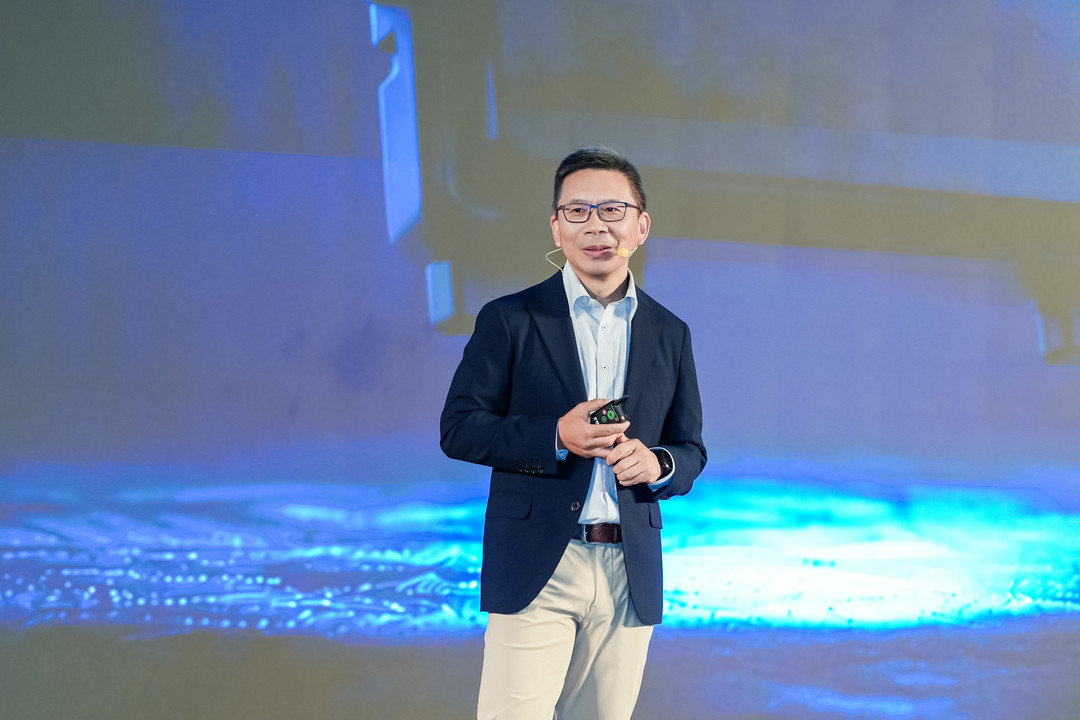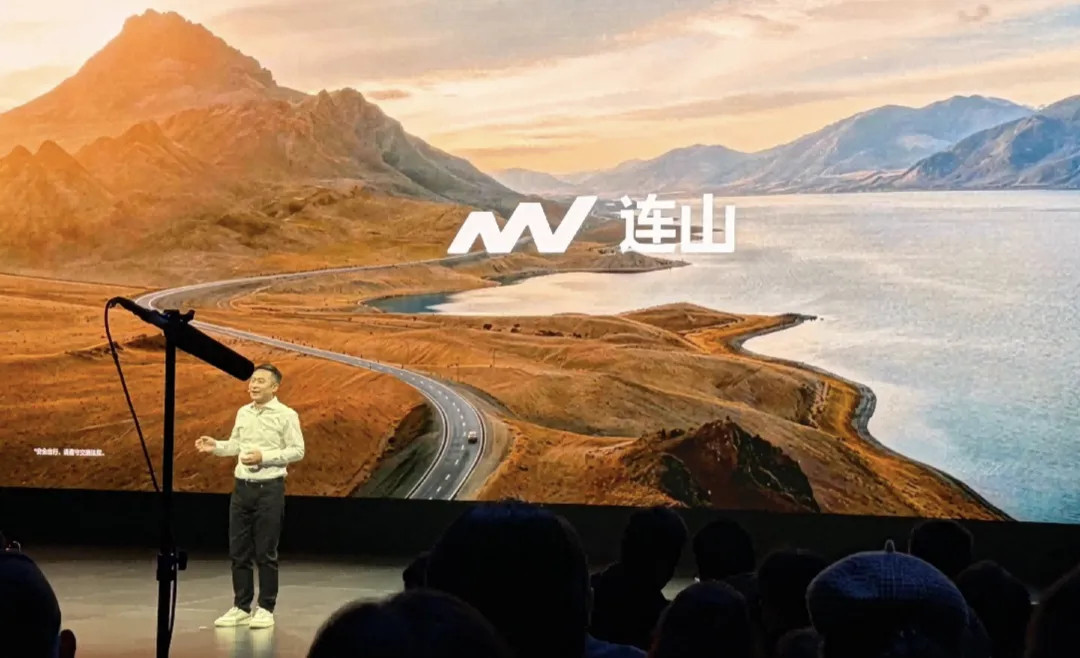
At a packed event in Shanghai on March 30, Meizu, now part of the StarMeizu Group, showcased its latest smartphones and a new operating system that it believes will redefine how phones and cars interact. The company's CEO, Shen Ziyu, used the stage to declare that "car brands without smartphone software empowerment will gradually fall behind," signaling a bold push into the automotive software space.
The event, co-branded with Geely's Lynk & Co, centered on the Meizu 20 series phones and the new Flyme 10 OS. But the headline for the auto industry was Flyme Auto, a system that treats the smartphone as a "sixth domain" of the vehicle, alongside powertrain, chassis, body, cockpit, and autonomous driving domains. Unlike existing solutions like Apple CarPlay or Baidu CarLife, which primarily mirror phone functions onto the car screen, Flyme Auto aims to make the phone itself an integral part of the car's computing architecture.
Phone-first integration
According to the Chinese outlet Dian Dong Bang, Flyme Auto allows seamless transitions: music playing on the phone continues on the car's speakers when you enter, and video calls can be answered on the central display using the car's cameras and microphones. More notably, users can pre-download OTA (over-the-air) update packages on their phones, so the car updates instantly upon connection, even in areas with poor network coverage.
The system is built on three pillars: data integration, team integration, and computing power integration. Data integration breaks down the barriers between phone and car data, allowing millions of phone apps to run directly on the car's infotainment system. Team integration combines Meizu's phone expertise, Ecar's smart hub technology, and Lynk & Co's automotive resources, ensuring that phones and chips are considered from the earliest stages of car development. Computing power integration enables the phone's processor to work alongside the car's hardware, sharing capabilities and functions.
This approach contrasts with earlier systems that tried to port phone features to the car, but were limited by the car's less powerful hardware. By leveraging the phone's superior computing power, Flyme Auto promises a richer and more responsive experience.
Competitive landscape
Dian Dong Bang notes that StarMeizu's move puts it ahead of Xiaomi, which is entering the car business, and Nio, which is developing its own phone. Globally, Apple and Sony have been slower to deliver concrete automotive integrations. However, Huawei's HarmonyOS remains a formidable competitor, already integrated into AITO-branded vehicles and praised for its user-friendly design. The two systems may coexist as rivals for the foreseeable future.
The launch also supports Geely's broader "space-ground integration" strategy. Meizu has partnered with SpaceTime DaoYu to develop a satellite communication chip, the Meizu Tianwen S1, which combines 5G and satellite connectivity. This chip, along with Meizu's phones and OS, aims to provide reliable communication in remote areas, enhancing both mobile and in-car experiences.
While the event was heavy on enthusiasm from loyal Meizu fans, the strategic implications are clear: smartphone software is becoming a key battleground in China's smart car industry. Whether Flyme Auto can challenge Huawei's dominance remains to be seen, but it has certainly raised the stakes.