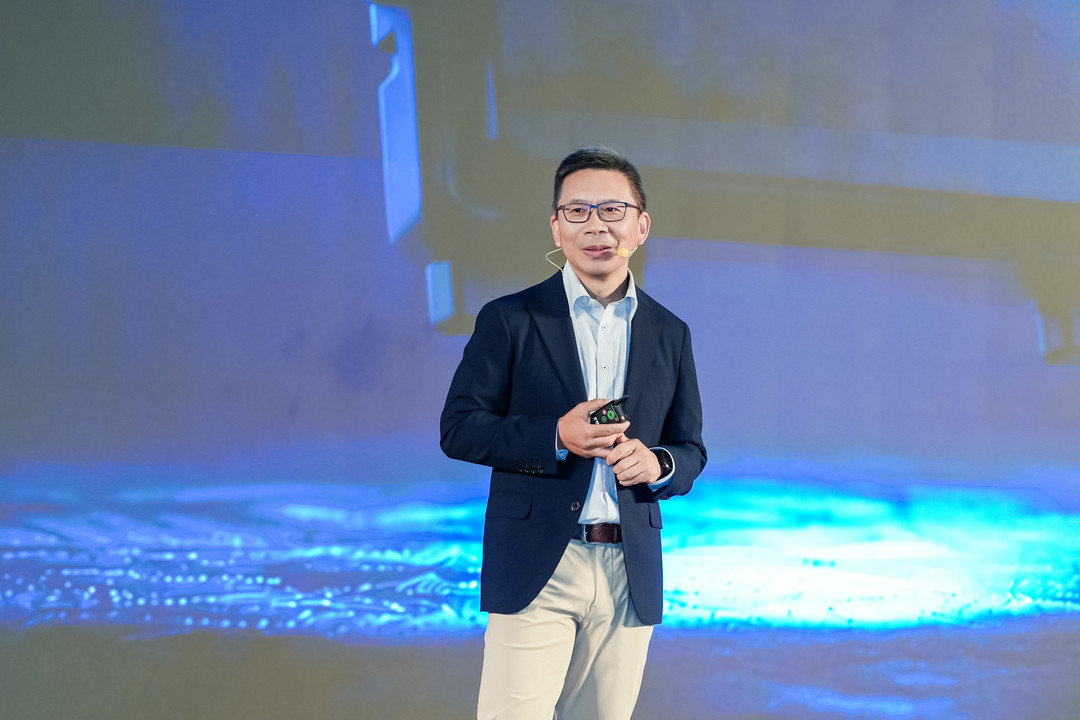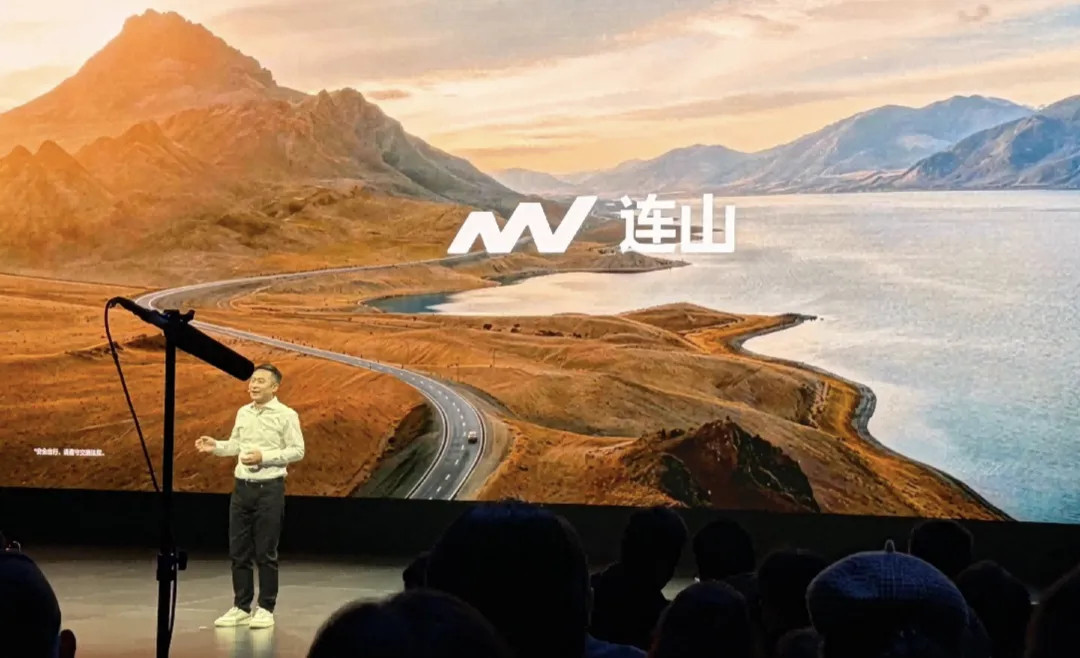
Li Auto, the Chinese automaker known for its extended-range electric vehicles (EREVs), has unveiled its own battery and charging technology, signaling a shift from being a buyer of CATL batteries to a developer of its own. At its Power Day event, the company introduced the 'Lianshan' electric technology system, covering batteries, e-motors, ultra-fast charging equipment, and a self-built charging network, according to Chinese outlet D1EV.
Self-developed battery tech
The new system includes a self-developed 5C ternary lithium battery, which will power the upcoming Li L8 with a CLTC pure-electric range of 430 kilometres (267 miles). The 2026 Li i6, set to launch soon, will offer up to 780 km (485 miles) CLTC range, an 8.3% improvement over the 2025 model. For EREV models, a 430 km battery range means daily commuting can be done purely on electric power, while the 780 km range on the i6 allows for cross-province trips without recharging.
Li Auto's focus extends beyond capacity to charging speed, low-temperature performance, and battery longevity. The company says its new micro-crystal ultra-fast charging cathode, fast-ion shuttle electrolyte, and high-heat-dissipation top cap reduce heat generation, lowering temperature rise by 12°C compared to 2C cells during ultra-fast charging. This is crucial because high-rate charging can cause heat and degradation, which Li Auto aims to mitigate through material innovation and integrated battery pack design.
For LFP (lithium iron phosphate) battery users, Li Auto introduced an ATR adaptive trajectory reconstruction algorithm to improve state-of-charge accuracy and reduce the need for frequent full-charge calibration. An APC adaptive power control algorithm addresses low-temperature power output, and with battery waste heat recovery and air conditioning optimization, winter range can increase by about 30 km (19 miles). By the first half of 2027, an OTA update is planned to add another 10 km (6 miles) in extreme cold.
Safety and charging network
The Lianshan battery features six safety layers: anti-collision, anti-water, anti-leak, anti-thermal spread, plus smart manufacturing control and early warning detection. In tests, the battery pack survived a 500-joule impact without fire or explosion, and was submerged for 8 hours without issues, achieving IPX8 and IPX9K ratings. A single-cell thermal failure test at 50°C kept the pack from catching fire for 24 hours. Each cell's production data is traceable for 20 years, and vehicle, charger, and cloud systems monitor battery status, with warnings up to 72 hours in advance.
Li Auto claims that all models with its self-developed 5C ultra-fast charging battery will maintain battery health above 75% after 8 years or 160,000 km (99,000 miles). The company is also the only Chinese brand to build a large-scale ultra-fast charging network before selling its BEVs, a strategy that has proven popular, as the author of the D1EV article noted preferring Li Auto's chargers even when other brands' stalls were empty.