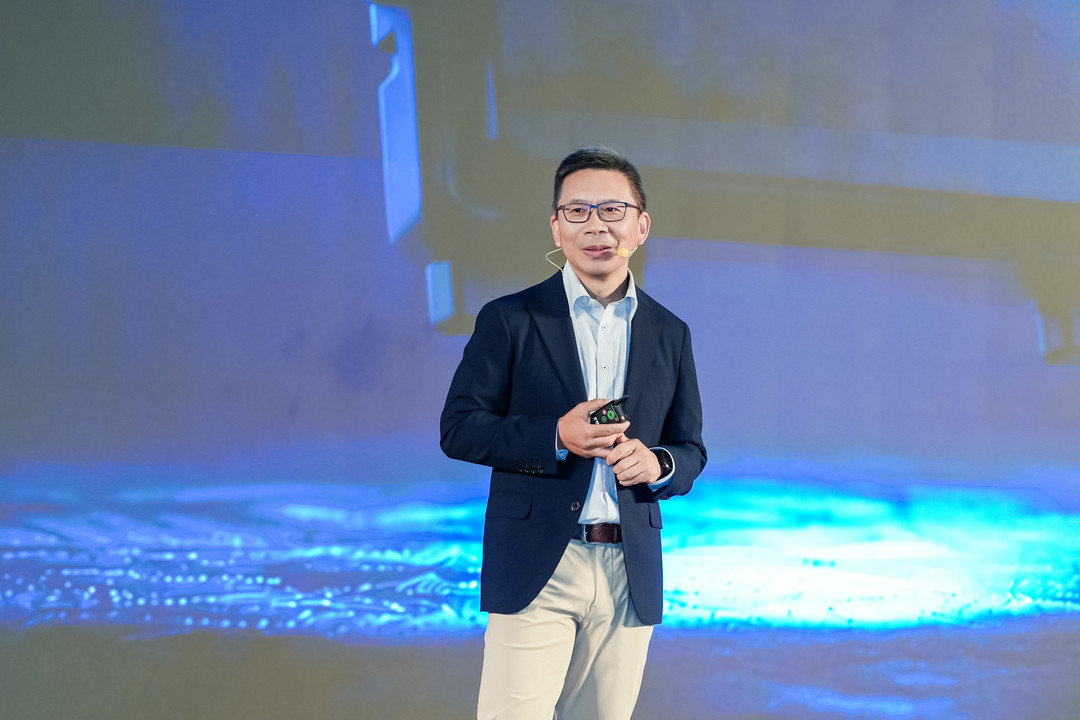
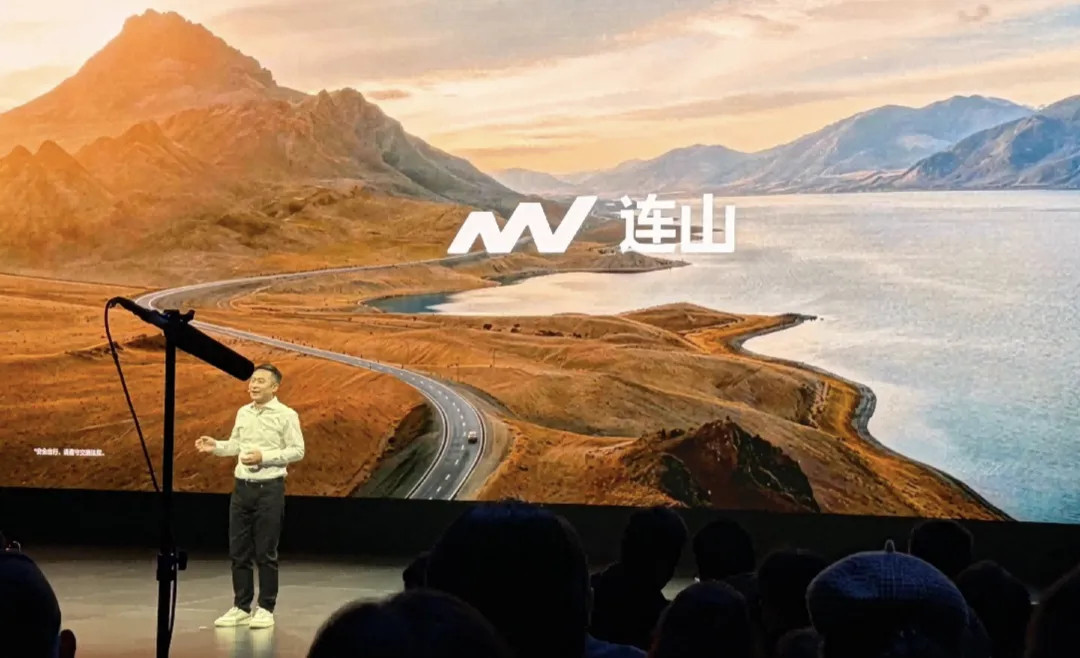
Li Auto unveiled its Lianshan electric technology system at a Power Day event in Beijing on October 20, 2026, according to Chinese automotive outlet PCauto. The system integrates batteries, e-motors, ultra-fast charging equipment, and a self-built charging network, all coordinated through a cloud-based quality monitoring platform to improve range, charging efficiency, and battery safety over the full lifecycle.
Battery and charging advances
The Lianshan battery supports 5C ultra-fast charging, with official claims of adding 500 kilometers of range in 10 minutes. Li Auto says the system is designed to balance range, safety, and battery longevity. For the new Li L8, equipped with a self-developed 5C ternary lithium battery, the CLTC pure-electric range is 430 kilometers. The 2026 Li i6, set to launch on October 28, achieves a CLTC range of up to 780 kilometers, an 8% improvement over the 2025 model. CLTC figures are typically 15-20% more optimistic than WLTP, so these would translate to roughly 350 km and 630 km (est.) under WLTP.
For lithium iron phosphate (LFP) models, Li Auto has developed algorithms to improve state-of-charge accuracy and low-temperature performance. Combined with battery heat recovery and optimized air conditioning, winter driving range can increase by 30 kilometers. An over-the-air update planned for the first half of 2027 aims to add another 10 kilometers of range at minus 20 degrees Celsius.
The Lianshan battery includes six layers of protection covering impact, water ingress, leakage, thermal runaway, production control, and cloud-based early warning. In official tests, the battery does not catch fire or explode under a 500-joule impact, and achieves IPX8 and IPX9K water resistance. In a 50-degree Celsius environment, a single cell thermal failure does not cause the pack to catch fire for 24 hours. Production data for cells is traceable for 20 years, and vehicle, charger, and cloud systems can identify and push risk alerts 72 hours in advance. The design target for 2026 models is 8 years or 160,000 kilometers with battery health above 75%.
Guarantee plan and charging network
Li Auto also introduced the Lianshan battery guarantee plan. If a fire caused by a defect in Li Auto's self-developed battery leads to the vehicle being written off, the company will provide a new car of the same configuration. If a fire results from a collision or underbody scrape, Li Auto will cover the difference between the insurance payout and the insured value, up to the vehicle damage insurance limit.
On the e-motor front, Li Auto has developed a five-in-one e-drive system and a silicon carbide high-voltage three-in-one system. The new auxiliary drive motor uses a self-developed CAR119 cast aluminum rotor material, which increases urban range by over 15 kilometers and highway range by over 8 kilometers on the new Li L9 and L8. A self-developed distributed terminal-free direct connection technology shortens current paths, adding about 30 kilometers of range and freeing 24 millimeters of vehicle height. Li Auto reports that its self-developed power chips, in mass production for a year, have been installed in 4 million units with zero recorded failures. Each e-drive unit undergoes 93 quality checks, with records kept for 15 years. Data from 230,000 delivered vehicles, totaling over 100 million hours, is used to identify potential faults.
Li Auto's self-built charging network has reached 4,200 stations and 23,000 charging piles since construction began in April 2023. The network covers 25 national highway corridors and 138 scenic routes, with a target of an average of one station every 100 kilometers on national highways by the end of 2026. Charging starts in as little as 13 seconds after plugging in, and eligible 5C vehicles can add 500 kilometers in 10 minutes. Over 95% of highway stations are located in service areas, and 99.8% offer free parking during charging. The company plans to increase the number of 5C charging guns to 8,300 by the Spring Festival in 2027 and launch a dedicated 5C parking service in the fourth quarter of 2026.
Li Auto's president and chief engineer, Ma Donghui, said the goal is to eliminate range and charging anxiety for both EREV (range-extender) and BEV (battery-electric) models. The company is pursuing self-developed and co-developed manufacturing, while taking full responsibility for quality, service, and user experience.