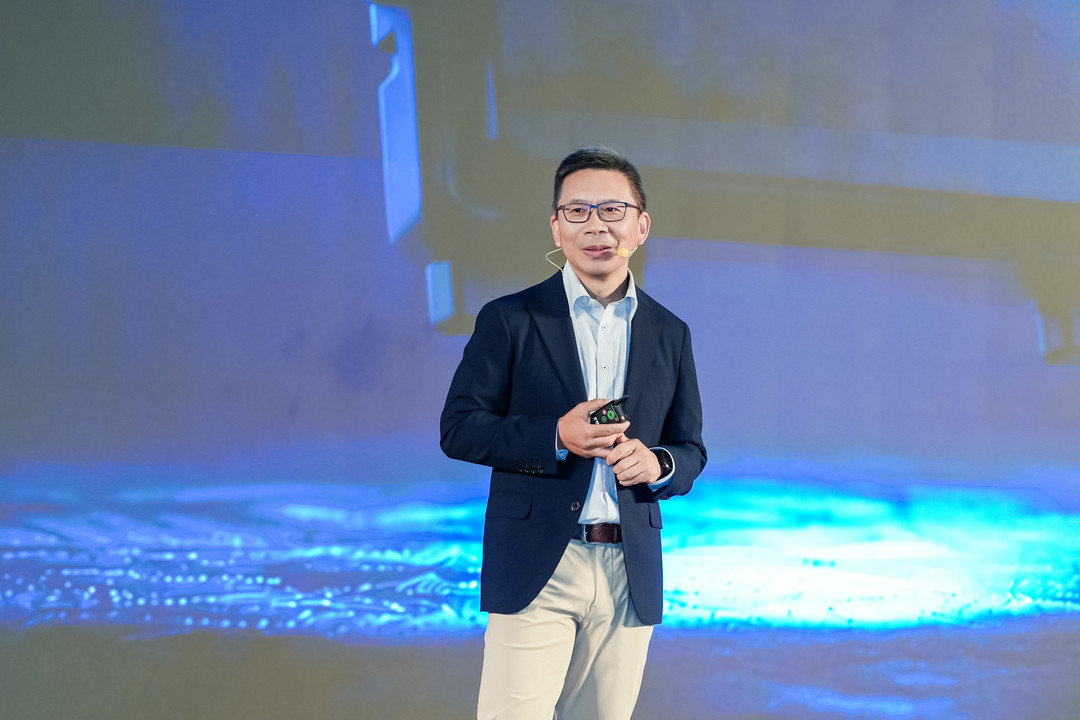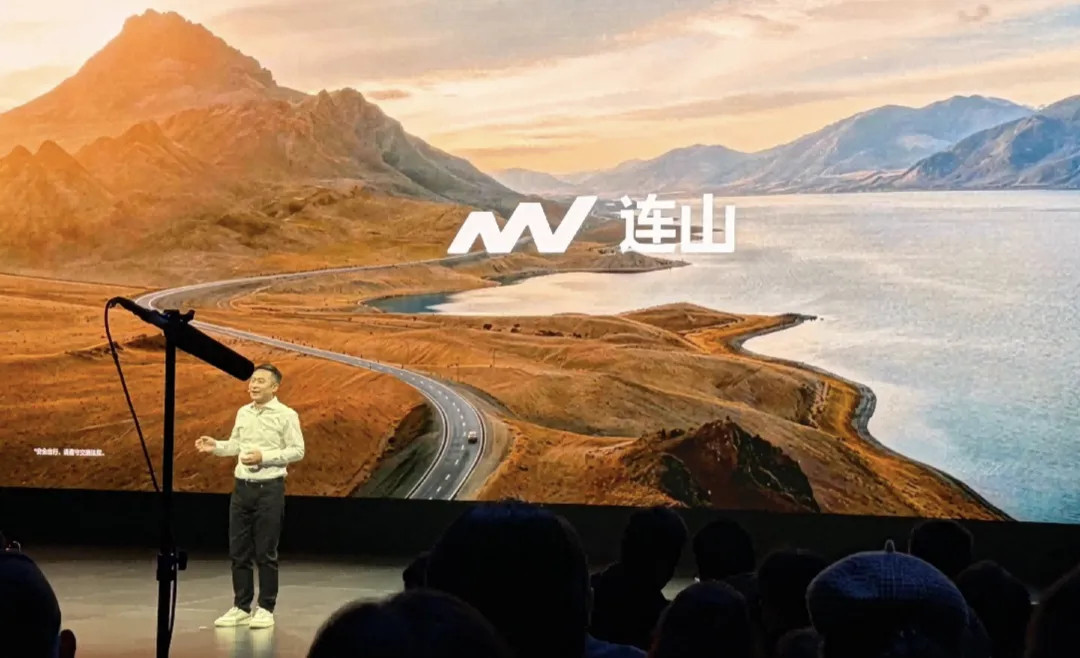
Leapmotor has unveiled a new vehicle architecture and three core technologies at its annual Tech Day on September 16, with the spotlight falling on an e-drive system that breaks with hybrid convention. The MM-i multi-mode hybrid drive allows the generator to do more than just charge, and the drive motor to do more than just drive, according to a detailed interview with Wu Cun, head of Leapmotor's e-drive product line, published by Gasgoo.
Rethinking hybrid architecture
In conventional hybrids, the P1 motor generates electricity and the P3 motor drives the wheels, each with a fixed job. Leapmotor's system uses what it calls "full-time generator reuse" and a coaxial electromagnetic clutch, letting the generator also drive the wheels, team up with the P3 motor for extra punch, or switch between generating and driving on the fly. Wu explained: "When you need power, the two motors can work in parallel, even with the internal combustion engine as a third source. At high-speed cruise, one motor is enough, and the other can dynamically adjust between generating and driving."
The result is a power density of 1.94 kW per kilogram, which Leapmotor claims is the highest in the hybrid industry, and a thickness of just 313 mm, making it possible to fit the system into A0-segment small cars. Compared with rivals, the unit is 30% smaller by volume and 40% lighter, while delivering better efficiency and energy consumption, the company says.
The key enabler is an electromagnetic clutch that can fully disengage in about 150 milliseconds, much faster than a traditional wet clutch. This allows the generator to join the drive when needed, so the drive motor can be downsized. For example, in city driving where only 10-20 kW is needed, a small motor suffices; at highway speeds, a two-tonne car needs about 40-50 kW; and during overtaking, the generator can switch to drive mode within 150 ms, boosting output from 100 kW to over 200 kW.
Built on 11 years of in-house development
Wu, who joined Leapmotor in September 2015 as the e-drive team's first employee, traced the company's journey from three-in-one to eight-in-one e-drives, from water cooling to oil cooling, and from self-use to external supply. He noted that Leapmotor was among the first to adopt oil cooling, which proved challenging because electronic oil pumps were not available domestically at the time. The team developed its own, and the first-generation pump weighed just 760 grams.
Leapmotor also claims to have been the first automaker to conduct power-cycling bench tests, simulating repeated full-power acceleration and regenerative braking to identify fatigue points in gears and bearings. The company says its e-drive failure rate per thousand vehicles is only 15% of the industry average, a result of its zero-defect quality system.
The new hybrid system, which Leapmotor began developing in 2022, is aimed at supporting the brand's global expansion. Wu cited the pain points of range-extender electric vehicles (EREVs) - "a dragon with electricity, a worm without" - and the need to serve conservative users who want a car that can run on electricity or fuel without range anxiety. He also mentioned the strategic importance of reducing reliance on copper, precious metals, and heavy rare earths.
As of July 31, Leapmotor's e-drive team had filed 841 patents, the most among new-energy vehicle makers and e-drive suppliers in China, according to the company. The technology is being rolled out in new models under Leapmotor's architecture, which the company says will support a range of vehicle sizes.