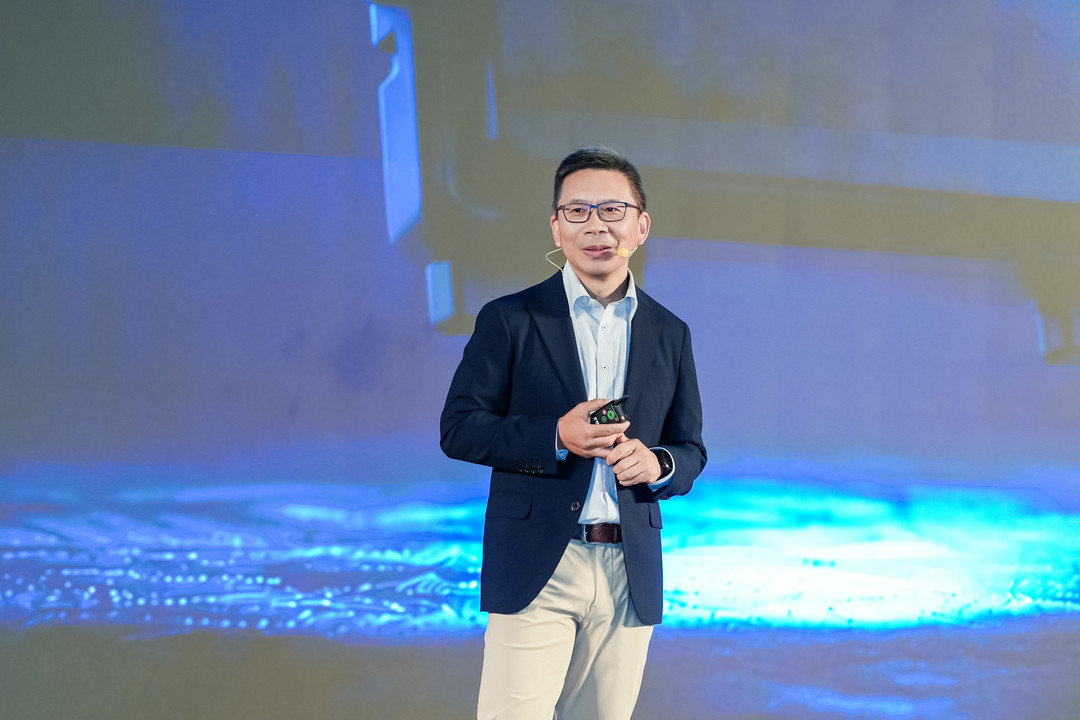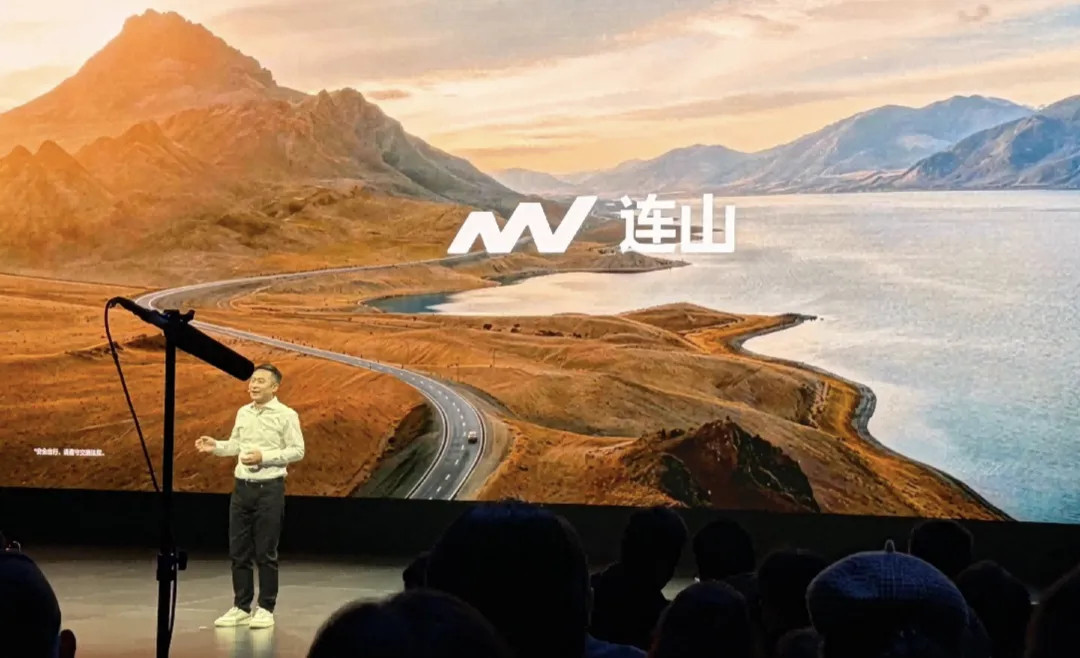
At its 2026 Tech Day held on September 16, Chinese EV maker Leapmotor pushed back against the growing industry narrative that electric vehicle technology has reached a plateau. The company unveiled a new vehicle architecture, three core technologies, and several technology reserves, aiming to prove that innovation is not exhausted—only superficial progress is, according to a report by D1EV.
Leapmotor founder and CEO Zhu Jiangming directly addressed the skepticism: "The replacement of fuel cars by electrification is essentially an industrial transformation of electronics replacing mechanics. From the underlying technology architecture to the vehicle's functional experience, from core components to system integration, there is still plenty of room for innovation." He emphasized that Leapmotor does not innovate for show, but every innovation will be applied to next-generation products.
LEAP 5.0: Redefining space and electronics
The LEAP 5.0 architecture is built on a new mobile space platform that expands in three dimensions. By repositioning the powertrain and integrating the air conditioning unit, the cabin gains 19% more length. A vertical damper layout and integrated aluminum die-cast tower pack increase front legroom by 37.5%, while a flat floor and integrated pop-up roof add 63.7% more headroom. Leapmotor claims the design achieves over 100% usable space efficiency, allowing flexible seating and function configurations.
The energy management system was also overhauled. By consolidating modules and moving the air conditioning unit out of the passenger cabin, Leapmotor reduced thermal management components from 69 to 21, cut vertical space usage from 580mm to 310mm, and shortened piping from 6.2 meters to 3.3 meters. A new super-domain thermal management system uses a 14-way valve to integrate separate cooling and heating circuits, supporting 48 switching modes and 54 energy interaction modes. Winter heating power reaches 18kW, 20% higher than the industry average, the company said.
On the electronic side, the Clover 5.0 central domain architecture consolidates decision-making into a single central controller, with other domain controllers executing commands. The vehicle uses a 48V power supply, reducing wiring harness heat loss to 1/16 and cutting power harness weight by 50%. The total wiring harness length is now under 500 meters, claimed to be the shortest in the industry.
The LEAP 5.0 architecture is designed for a new product line under Leapmotor's second brand, scheduled to debut in 2027. The vehicles will feature transformable interiors that can function as a restaurant, cinema, bedroom, or coffee bar, according to the company.
Three core technologies: World model, hybrid drive, and CTC 3.0
Leapmotor introduced LWM (Large World Model) for autonomous driving, which uses a cloud-based world model combined with a real-time onboard world model for end-to-end decision-making, with lidar as a safety redundancy. The system supports 200TOPS, 640TOPS, and 1280TOPS computing platforms, and reduces code volume by 90%. Leapmotor promises free upgrades and lifetime free use for all lidar-equipped users, bringing advanced driver assistance to vehicles priced under 100,000 yuan (about $14,100).
The MM-i multi-mode hybrid drive features three industry firsts: a generator that also participates in driving, coaxial integration of dual electromagnetic clutches, and intelligent dual-motor control. The system delivers 206kW peak power, 28% higher than peers, while weighing 106kg—40% lighter—and occupying 25% less volume. It enables 80-120km/h acceleration in 4.5 seconds, down from the 8-second range typical of comparable models, and covers vehicle classes from A0 to D.
The CTC 3.0 battery integrates the conventional 12V low-voltage battery into the main battery pack, eliminating the standalone lead-acid battery that has been standard for over a century. This increases low-voltage battery capacity by seven times and eliminates maintenance for life, saving over 2,000 yuan (about $282) per vehicle in service costs. Leapmotor has open-sourced the related patents to the industry, which could reduce the use and disposal of tens of millions of low-voltage batteries annually if widely adopted.
Leapmotor's vertical integration is a key differentiator. The company operates 18 parts factories, controls 65% of vehicle costs, and achieves 90% platform commonality. It employs 9,500 engineers and has delivered over 1.8 million vehicles across 45 countries. Monthly deliveries have exceeded 100,000 units since 2026, making it one of China's top three new energy vehicle brands, and it has been profitable for three consecutive half-years. The company also licenses its technology to partners including FAW and Stellantis, with electronic systems, drive systems, and battery systems each having multiple external collaborations.
Zhu Jiangming concluded: "There are still many places where new energy vehicles can be changed—it's just a matter of whether you want to change them. If you want to change, there is plenty to change." The new product line under the second brand will test whether this technological momentum can translate into market success when it arrives in 2027.