Horse Powertrain, the powertrain joint venture formed by Geely and Renault, held a global supply-chain summit in Shanghai on September 21, calling on Chinese component makers to expand overseas as a coordinated ecosystem rather than as individual companies. The event, titled "One Heart, Far Journey: Linking Mountains and Seas," was supported by the Songjiang district government and the Spanish consulate in Shanghai, according to Chinese outlet D1EV.
Horse Powertrain was established in May 2024 through the merger of Geely's Aurora Bay Technology and Renault's Horse technology unit. Geely and Renault each hold 45 percent, with Saudi Aramco owning 10 percent. The company operates five R&D centers and 18 manufacturing bases, sells products in 130 countries, and ships more than 8 million powertrain units annually. It employs over 19,000 people and generates annual revenue of about 15 billion euros.
China as the supply-chain engine
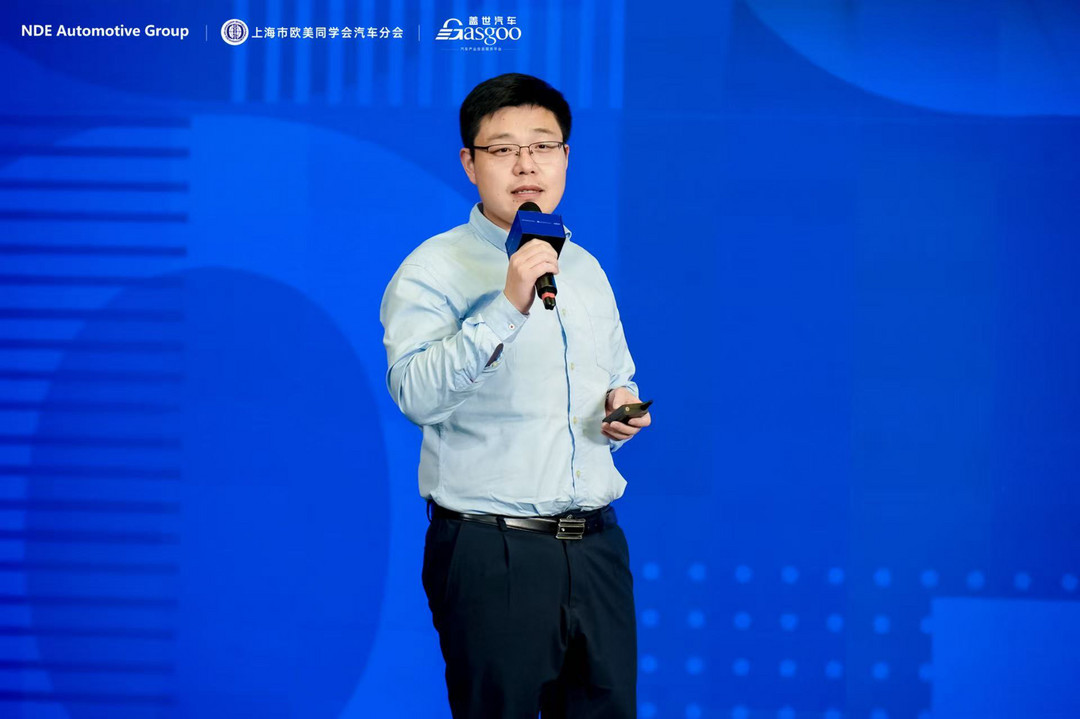
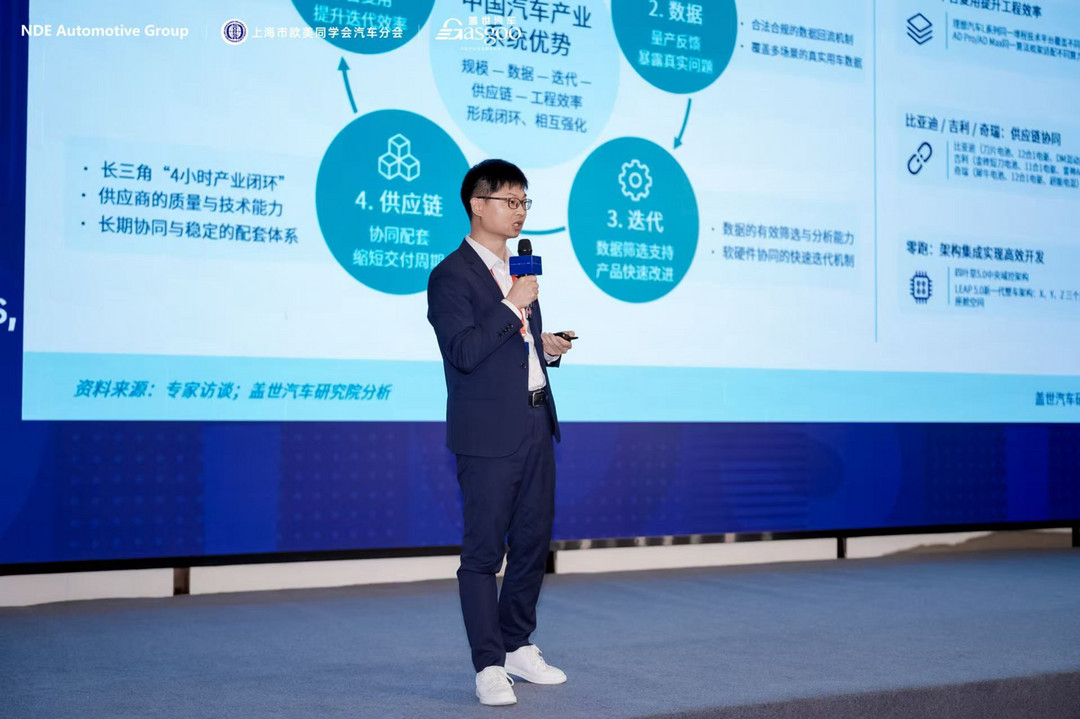
Zhao Fucheng, global CTO of Horse Powertrain and CEO of Aurora Bay Technology, said most of the company's technological innovation happens in China, and the focus is on pushing Chinese supply-chain strengths overseas to help customers meet localization requirements. He cited Spain as an example, where Horse Powertrain helps Chinese suppliers communicate with local authorities and set up production capacity to maintain cost competitiveness. "China's supply-chain capability is a solid backing," he said. "Whatever you can think of, you can make it quickly and cost-effectively."
At the summit, Zhao and his management team laid out the company's globalization strategy, emphasizing that unlike traditional single-company expansion, Horse Powertrain wants its supply-chain partners to enter global markets together. Closed-door discussions with core parts makers from the Yangtze River Delta and Pearl River Delta covered overseas compliance certification, localized capacity, and cross-border logistics and warehousing.
From Shanghai to Spain
In March, Horse Powertrain established its Asia-Pacific regional center in Shanghai's Songjiang district, which includes a regional headquarters, R&D center, global supply-chain center, and sales platform. According to the Shanghai municipal government website, the Songjiang global supply-chain center will handle parts procurement for all of the company's manufacturing bases, enabling unified purchasing and centralized management to cut costs.
In February, SiEn Integration, a Chinese semiconductor maker, became a global strategic supplier to Horse Powertrain. The two companies are co-developing high-performance IGBT and SiC power modules for Horse Powertrain's self-developed hybrid DHT system. Over the next five years, the technology is expected to cover about 10 hybrid models, with more than 5 million power modules planned for installation in over 2.5 million vehicles.
For Chinese automakers, going global has become a necessity, but what is scarce is the systemic capability covering R&D, supply chain, and services. Horse Powertrain's approach is not simple product export but packaging Chinese manufacturing capability, cost efficiency, and technical response speed into a replicable overseas expansion model. With the entire supply chain going abroad together, risks and costs are shared, which D1EV notes is a pragmatic approach amid a complex China-EU trade environment. Spain, it suggests, may be just one move on a global chessboard.