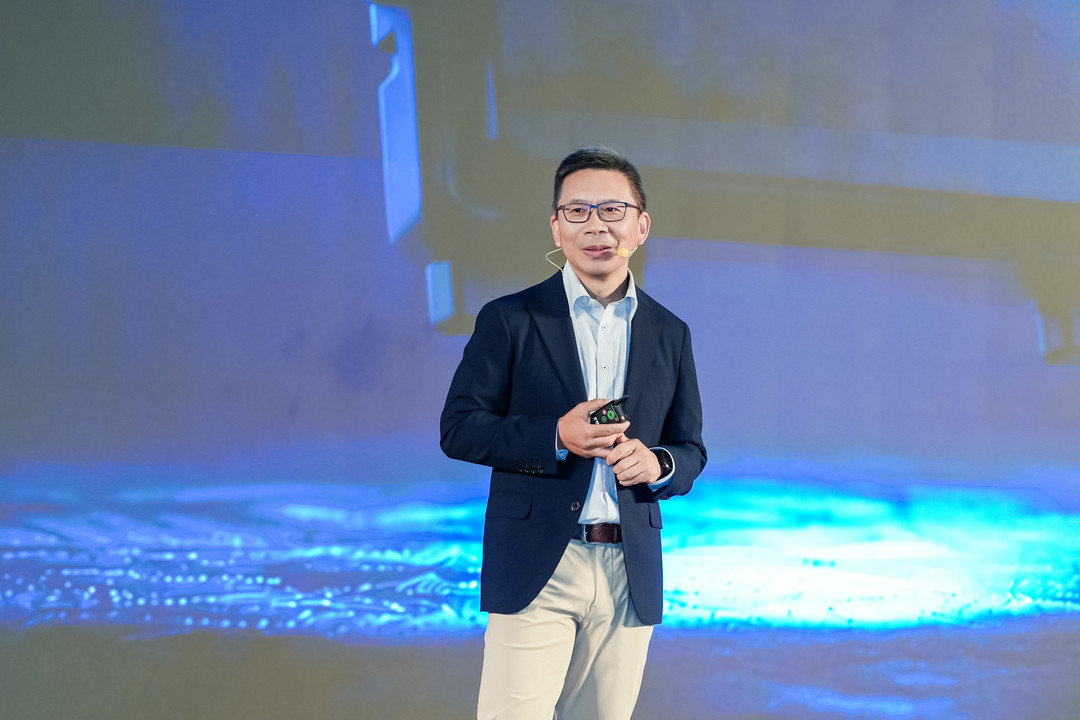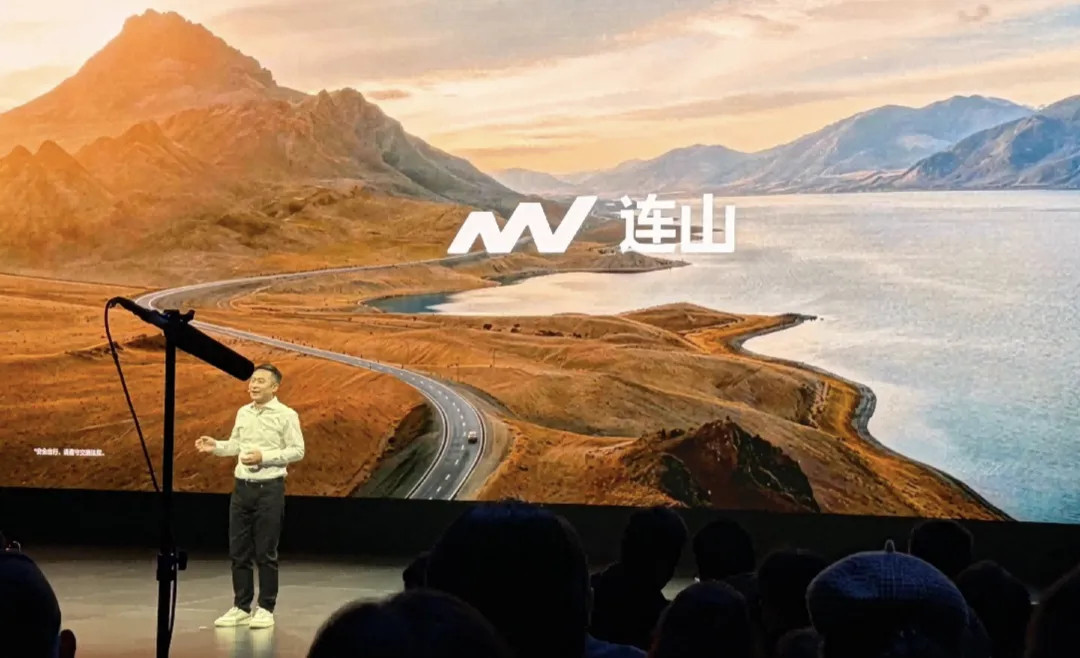
At the 2026 World Intelligent Connected Vehicles Conference, Chinese auto executives painted divergent pictures of when autonomous driving will arrive, with 2028 emerging as a common reference point. Xpeng CEO He Xiaopeng targets L4 for the second half of 2028, while BYD's Yang Dongsheng sees limited-scenario L3 landing in 2028, and Nio's Li Bin says deployment depends on regulatory approval. The differing calendars underscore a deeper split over the path to full autonomy.
The L3 debate: stepping stone or detour?
He Xiaopeng argues that L3 merely shifts responsibility to the system without improving safety or user experience, calling it 'an enhanced L2.' He recounted testing Audi's L3 on European highways, where it activated for only a few minutes a day, a poor experience. Consequently, Xpeng is skipping L3 to focus on L4 and robotaxis.
In contrast, Yang Dongsheng advocates for a gradual approach, with L3 in restricted scenarios (defined by operational design domain, or ODD) set for 2028 mass production. He emphasized that BYD's scale demands a solid foundation before pushing features to millions of users. Huawei's Jin Yuzhi, without giving a specific year, highlighted safety metrics: its assisted driving system has logged 10.356 million kilometers before severe collisions, 5.75 times the Chinese average, and now covers 60% of driving mileage. He stressed that the industry is moving from technological competition to safety and trust, calling for transparent safety data.
Li Bin separated technology from compliance, noting that while L2 to L5 technologies converge, deployment depends on regulations. With China's mandatory L3 regulations set to take effect on July 1 next year, he said, 'The specific timing depends on when the state allows it.'
Measuring progress: from usable to beloved
Horizon Robotics' Yu Kai offered a sobering yardstick: 100 kilometers per intervention is 'usable,' 1,000 to 10,000 kilometers is 'good,' and 100,000 kilometers is 'beloved.' He aims to cross the 100,000-kilometer threshold in four to five years. Momenta's Cao Xudong, however, cited a 'smart driving Moore's Law,' with performance improving tenfold every two years in the past, and now annually, potentially leading to a major L3/L4 inflection point in 2027-2028.
The conference revealed that 2028 is not just a promise but the first time the industry has tied 'mass production' to a specific year. The divergence is not about whether autonomous driving will arrive, but how. Huawei and BYD are building a step-by-step path with clear responsibility boundaries, while Xpeng aims to leap directly from L2 to L4. Yu Kai's framework—'hands off' by 2028, 'eyes off' by 2030, and 'mind off' by 2035—illustrates where L3 falls: it allows hands and eyes off but not mind off, offering limited experience gains at high engineering cost.
According to 第一电动 (D1EV), the real question is whether the next tenfold improvement in autonomous driving will come from a new methodology or just an extension of the current curve. The answer will be written in the data on takeover mileage, not in press releases.