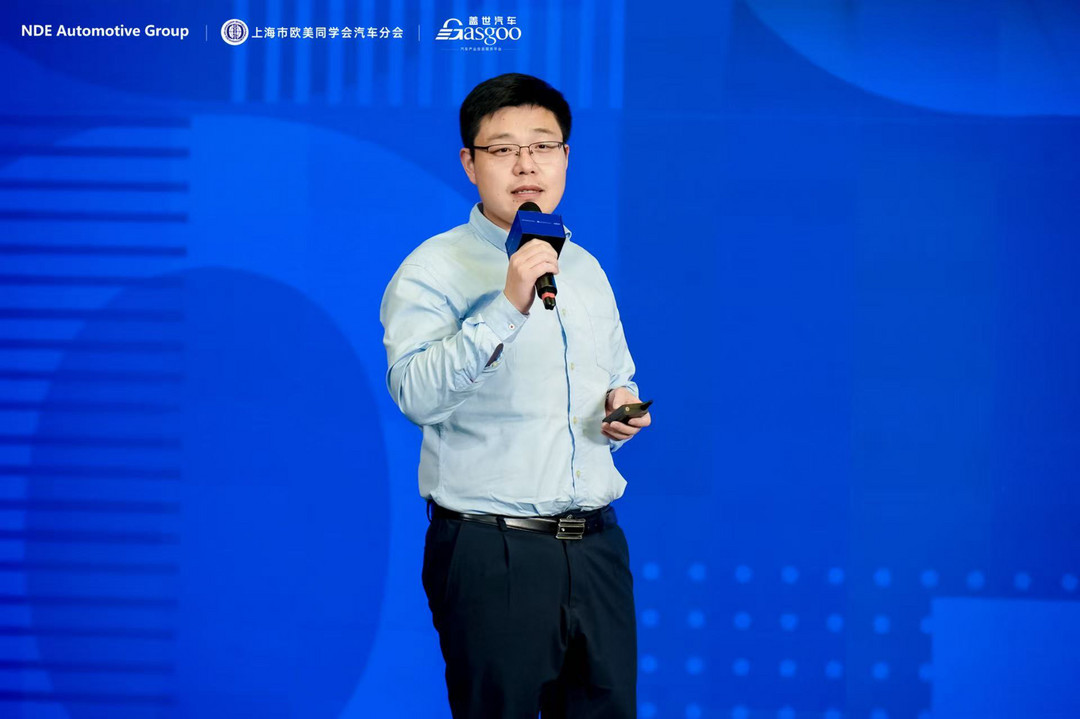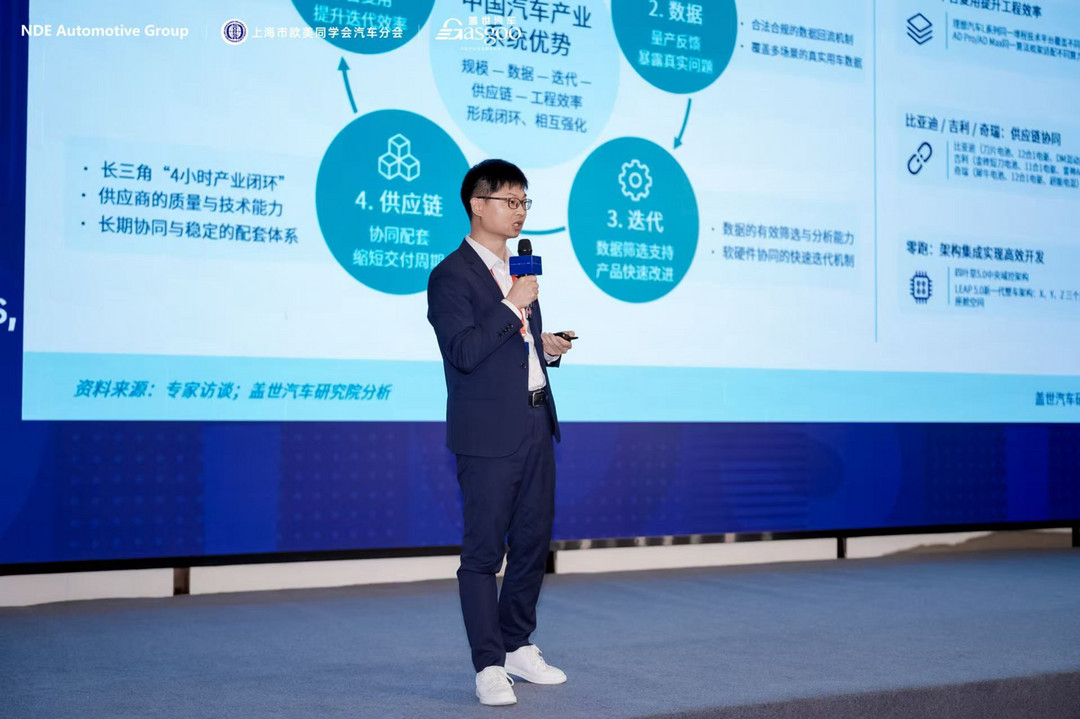
Chinese carmakers have poured $17.7 billion into Southeast Asia since 2021, but the region is proving far harder to crack than many expected, according to Sun Xiaohong, former secretary-general of the automotive internationalisation committee at the China Chamber of Commerce for Import and Export of Machinery and Electronic Products. Speaking at the TEDA Auto Forum on September 20, Sun laid out the stark reality: money is flowing in, but so are the headaches.
Investment boom meets fragmented market
Between 2021 and 2026, Chinese auto companies have committed a cumulative $17.7 billion to the ASEAN bloc, with over 80% of that pledged after 2022, according to PCauto. Indonesia accounts for 36.4% of the investment, Thailand 31.6%, with vehicle assembly taking 54% and battery production 34.5%. Around 180 parts suppliers have set up shop. SAIC-GM-Wuling brought 16 suppliers to Indonesia, Great Wall Motor acquired a plant in Rayong, Thailand, and CATL has built battery bases, while BYD invested in Thailand.
But Sun warned that ASEAN is not a single market like the EU. "The certification system is fragmented; each country has its own set of rules," he said. "Localisation rates are not ASEAN-wide but country-specific, so companies ask whether they need to build capacity in every ASEAN nation. That's impossible." Building a factory in Thailand does not grant access to the whole bloc, and even with zero tariffs, countries can use excise taxes, quotas and licences to regulate trade. Many Chinese firms plan for "ASEAN integration" and trip at the first step.
Localisation demands and policy shifts
Indonesia, the largest recipient of Chinese auto investment, is not a "give land, give tax, and win" scenario, Sun cautioned. Localisation requirements will rise from 40% in 2026 to 60% by 2029 and a hard 80% by 2030. Battery policy favours nickel-based chemistries with full tax breaks, while non-nickel batteries like LFP (lithium iron phosphate) get steep discounts. Nickel resources are largely controlled by private conglomerates, creating frequent policy shifts and uncertainty.
Thailand, which attracted Chinese EV makers with its EV3.5 incentive scheme targeting a 1:3 import-to-local-production ratio by 2027, is now seeing pushback. Sun revealed that ten Thai industry associations have petitioned the government to sharply raise import excise taxes and strengthen local production barriers. The fear is that once EV3.5 expires, automakers will abandon local assembly and revert to full imports, hollowing out the domestic supply chain—what Sun called an "industrial cliff." He concluded that higher import taxes are inevitable, forcing deeper local investment.
Malaysia has already ended EV import incentives as of December 2025, now requiring localisation of at least 40%, with 80% of output for export and minimum value thresholds for locally sold models.
Investment figures look impressive, but execution lags. Sun cited production launch rates: 76.4% in Thailand, about 40% in Indonesia, and roughly 24% in Malaysia and Vietnam. Many projects remain in planning or land-acquisition stages, and policies are shifting before cars roll out.
Price war threatens brand value
Sun reserved his harshest words for the price war. Citing a September 1 guideline from China's commerce, industry and market regulation ministries on overseas competition, he noted that six of seven competition rules focus on pricing. "The prevalent low-price involution model for going overseas may boost market share short-term, but long-term it destroys the industry ecosystem, triggers compliance risks, and damages brand value," he said.
Evidence from Thailand's used-car market is damning: compliant brands with proper warranties and battery services retain 56.8% of their value after three years, while heavily discounted models can sell new for less than their three-year-old used price. Some companies may go bankrupt, breaking warranty promises and ruining consumer trust. "Selling new cars cheaper than used ones isn't selling—it's drowning Chinese brands' overseas reputation," Sun said.
He also warned against circumventing trade barriers. After the 2018 US Section 301 tariffs, many Yangtze River Delta parts makers moved to Thailand, but Sun stressed that origin rules are a red line. "You can't just rebadge; you must meet localisation requirements and go deep local," he said. He cited the US anti-circumvention tariffs on Chinese solar investments in Southeast Asia as a warning for automakers.
Sun set a new standard for China's 15th Five-Year Plan: "stand firm and come back." Standing firm means not losing market share; coming back means overseas earnings must feed domestic R&D. He acknowledged overcrowding in some markets, especially Southeast Asia, and noted that new state rules require strict reporting for outbound investment.
He projects commercial vehicle exports will exceed 1.5 million units in 2026, with passenger car exports above 10 million. But the industry's focus, he said, has shifted from quantity to quality and sustainability. The $17.7 billion is already committed; the question now is whether Chinese brands can stand firm.