Construction of the Yongzhou Railway reached a milestone on September 13, as the main pylon of the Fuchimen road-rail bridge was completed, according to Chinese technology outlet IThome. This was the last of six pylons across the project's three sea-crossing bridges, signaling that the railway is one step closer to opening.
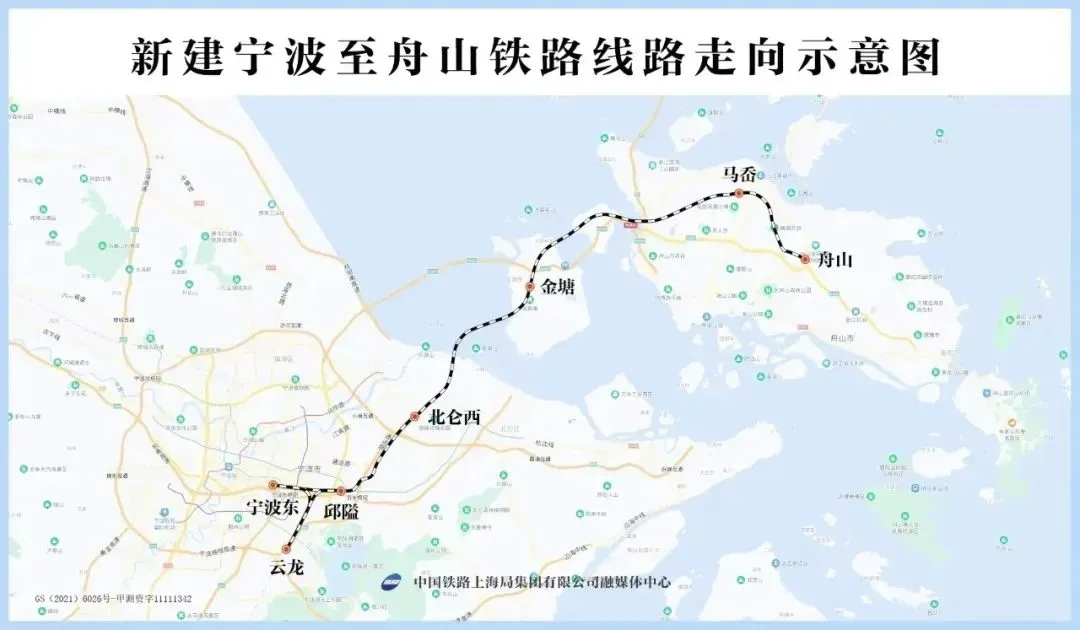
The 76.4-kilometre line will run from Ningbo East Station in the west to Zhoushan Island in the east, crossing the sea via the Xihoumen, Taoyaomen, and Fuchimen bridges. Once operational, the high-speed rail journey between Ningbo and Zhoushan will take about half an hour, cutting travel time significantly compared to current road or ferry options.
Ending an Era of Isolation
Zhoushan, an archipelago city in Zhejiang province, is currently the only prefecture-level city in the Yangtze River Delta without rail access. The new railway will change that, integrating Zhoushan into the national rail network for the first time. The project is part of China's national medium- and long-term railway plan (2016–2030) and is designed for a maximum speed of 250 km/h, serving both long-distance tourism and commuter traffic between Ningbo and Zhoushan.
The route includes a newly built undersea tunnel to Jintang Island, followed by bridges to Cezi Island and the main Zhoushan Island, ending at Baiquan Town in Dinghai District. The completion of all bridge pylons is a key structural achievement, though the project still faces further construction, including the world's longest undersea high-speed rail tunnel, which has already seen its land section completed.
Regional Impact
Local authorities expect the railway to foster the integration of Ningbo and Zhoushan, boost the region's role in the Belt and Road Initiative and the Yangtze River Economic Belt, and support broader Yangtze River Delta integration. For residents and tourists, the new link will make the islands far more accessible, potentially reshaping travel patterns in eastern China.