Wuling's new Huajing S, a six-seat plug-in hybrid SUV, is making waves in China's 200,000-yuan (about $28,200) segment by bundling Huawei's entire smart-cabin and driver-assistance package as standard equipment. After a week of testing, Autohome's reviewer found a comfortable, practical family hauler with a few software rough edges.
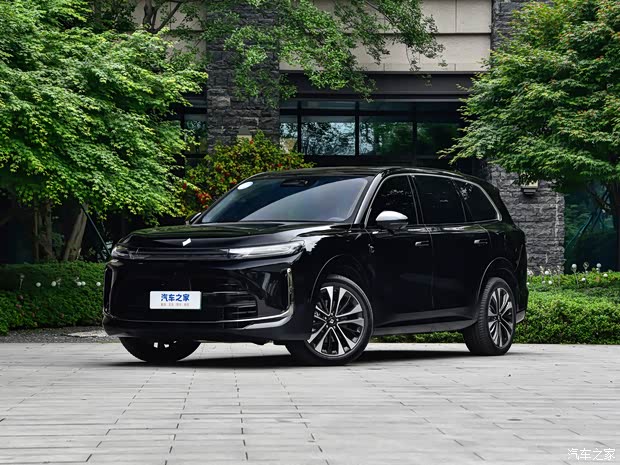
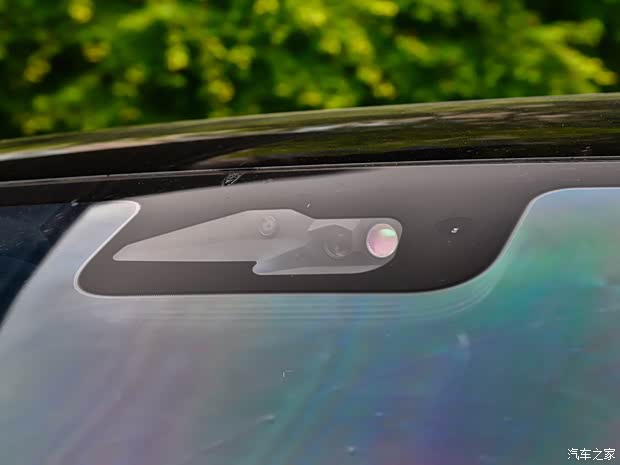
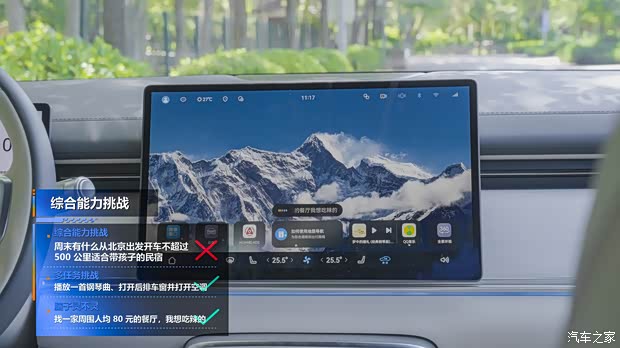
The Huajing S comes standard with Huawei's ADS Pro advanced driver-assistance system, which uses 27 high-precision sensors, including an integrated lidar unit mounted in the cabin rather than on the roof. Autohome praised this design for avoiding the 'little horn' look of many rivals and preventing dust buildup. The cabin runs the latest HarmonyOS 5.0, featuring a 15.6-inch 2K central touchscreen and an 8.8-inch digital instrument cluster. Voice control supports continuous dialogue and dialect recognition, making it easy to adjust navigation, music, or climate while driving.
Space and Comfort
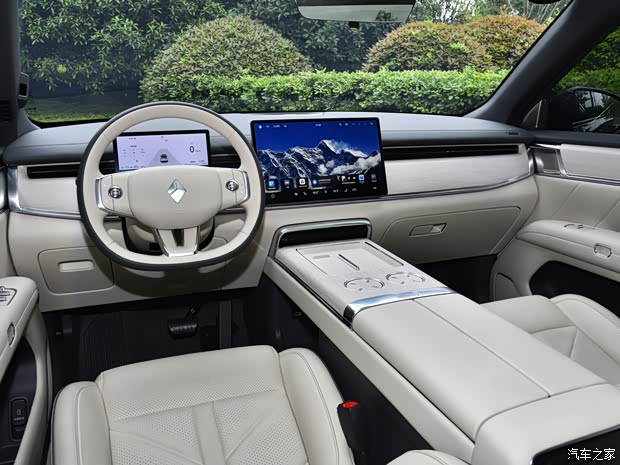
At 5,235 mm long, 1,999 mm wide, and 1,800 mm tall, with a 3,105 mm wheelbase, the Huajing S is among the largest in its price class. The cabin offers a genuine 2+2+2 layout with second-row independent airline-style seats that are softer than the front seats. Mid and high trims add leg rests, heating, ventilation, and massage functions. A flat central aisle makes third-row access easy, and the third row itself is surprisingly usable, with seatbacks that recline up to 125 degrees as standard. Autohome's tester, with about two fists of legroom in the front, found adequate head and legroom in the third row for adults, not just a 'small stool' for emergencies.
Cargo space is also a strong point. The trunk offers 423 liters in standard configuration, enough for a 20-inch and a 28-inch suitcase, with additional hidden storage underneath. The third-row seats fold electrically in a 50:50 split, expanding capacity to 1,268 liters. Front storage is generous, with a large open area under the center console, though the glovebox-sized fridge in the second row limits the center armrest to small items.
Powertrain and Ride
The tested top-spec all-wheel-drive 'Qiankun' version uses a Lingxi 3.0 plug-in hybrid system. In pure electric mode, the car accelerates smoothly from a standstill, with no motor lag in city traffic. In Sport mode, the engine kicks in for mid-range punch, and the transition between electric and engine power is seamless. The suspension uses double wishbones up front and a multi-link setup at the rear, with CDC continuously variable damping on the top trim. Three preset modes adjust softness, but Autohome recommends the default Comfort setting for the best balance, noting that while small bumps are well absorbed, there is some residual float over large potholes and noticeable body roll in corners—a trade-off for ride comfort.
Battery options vary by trim: the entry version uses a 31 kWh pack from REPT, while mid and high trims get a 41.9 kWh CATL cell designed for extended-range and hybrid use. CLTC electric range is 255 km for rear-drive versions and 235 km for the all-wheel-drive test car. During the test, the vehicle recorded 21 kWh/100 km electricity consumption and 6 L/100 km combined fuel use in Comfort mode with intelligent drive mode. Note that CLTC figures are typically 15-20% more optimistic than WLTP, so real-world range will be lower.
While the hardware for assisted driving is impressive, Autohome found the software still needs refinement. In a test on a tidal-flow lane, the system misidentified the lane and nearly veered into oncoming traffic. In another scenario, when making a U-turn under a bridge, the system stopped at the intersection and then downgraded, requiring manual takeover. On well-marked urban expressways and highways, the system performed reliably, but complex city roads remain a challenge that will need over-the-air updates to fix.
Other minor gripes include the second-row seats lacking cup holders—only a phone slot—and third-row storage being basic. Overall, Autohome concludes that the Huajing S is a compelling value for families seeking a spacious, fuel-efficient six-seater with cutting-edge tech, but it is not a driver's car, and its ADAS is best trusted on simpler roads.