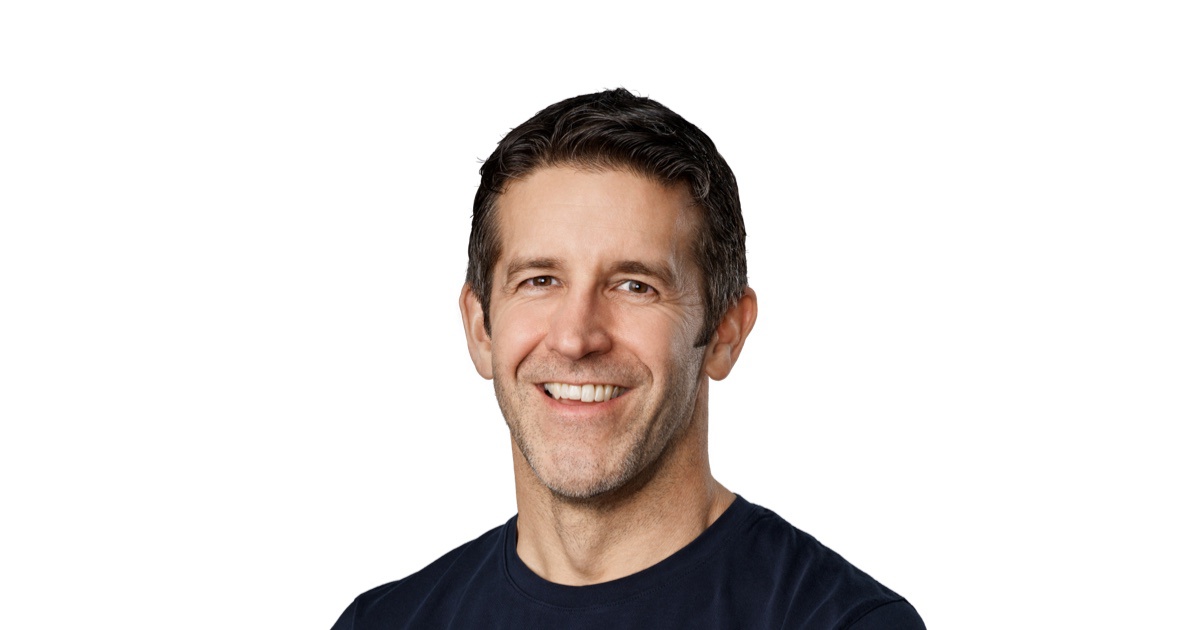
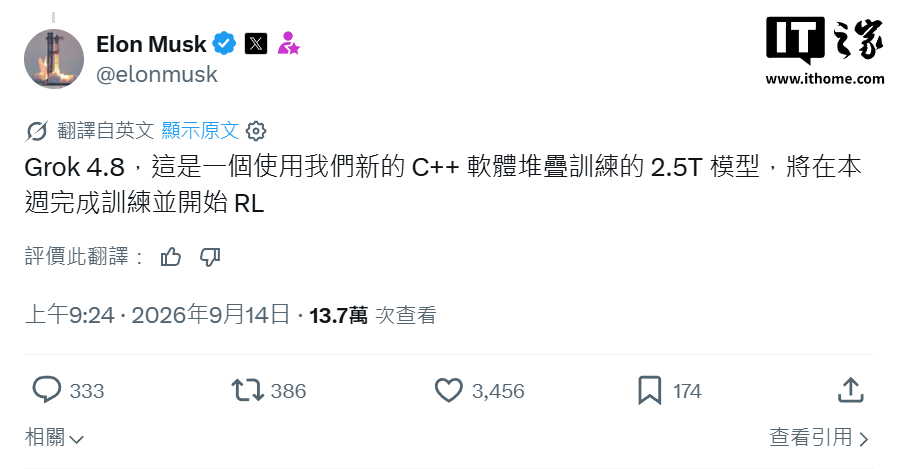
US science adviser David Oliver Sacks has publicly pushed back at OpenAI and Anthropic over their recent calls to slow down frontier AI development, accusing the two companies of using safety talk to seek regulatory protection. Sacks, co-chair of the President's Council of Advisors on Science and Technology (PCAST), laid out the criticism in a post on 14 September, according to Chinese technology news outlet IThome.
Sacks's remarks were aimed at statements from OpenAI's Sam Altman and Anthropic's Dario Amodei, both of whom have said the pace of work on cutting-edge models should be reduced. 'Then let them slow down,' Sacks wrote. He noted that some might find his view surprising, but argued that OpenAI and Anthropic already define what frontier AI is: in market share, revenue growth and model capability, they form a duopoly, and they claim recursive self-improvement is widening their lead.
He stopped short of demanding that work halt. If unreleased models are powerful enough that the labs themselves think development should be paused, he said he would support a responsible decision. What he rejected is the framing that the companies need permission from politicians or regulators, or that antitrust law should be suspended so they can coordinate like a cartel.
Questioning METR and 'alignment'
Sacks also challenged the independence of METR (Model Evaluation and Threat Research), the AI evaluation group often cited in safety debates, saying it has close ties to Anthropic investors and employees. Regulators, he added, should not use evaluation yardsticks created by the companies themselves to judge competitors.
He then turned to 'alignment,' the term used when AI systems are trained to behave in line with human intentions. Sacks argued that trading some raw capability for reliability or predictability is simply good business. 'If you want, you can call this alignment,' he wrote, but in the end it is about giving customers what they want.
Slowdown as leverage
Slowing frontier AI would buy time for a more rational regulatory debate than the 'full shutdown' position associated with US Senator Bernie Sanders, Sacks wrote. He also said China would find it difficult to join any global agreement, a point worth considering, which suggests the AI safety debate is increasingly tangled with international competition and domestic politics.
Sacks's strongest charge was that OpenAI and Anthropic are trying to trade a development slowdown for a regulatory framework written to their own preferences. He called that 'basically extortion' in the eyes of the public and the political system. If the companies genuinely slow down, he said, they will earn goodwill; if they do not, it will look like another attempt at regulatory blackmail or an election-season psychological operation.
The exchange underscores the friction between leading AI labs and the US science establishment as frontier models grow more capable. For observers outside the United States, including in China, the outcome will help define how much room independent AI developers have to challenge the perceived duopoly, and how governments choose to regulate a technology that its largest builders say needs limits.