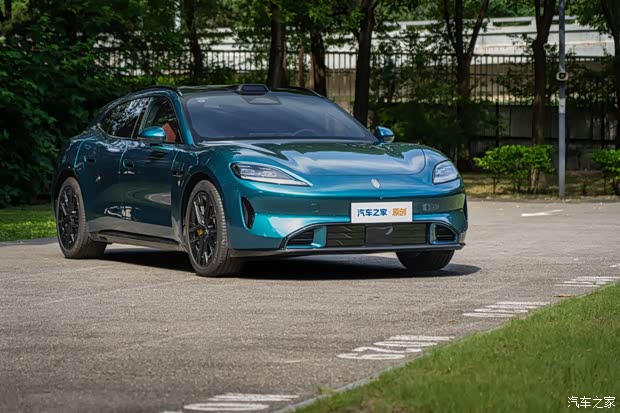
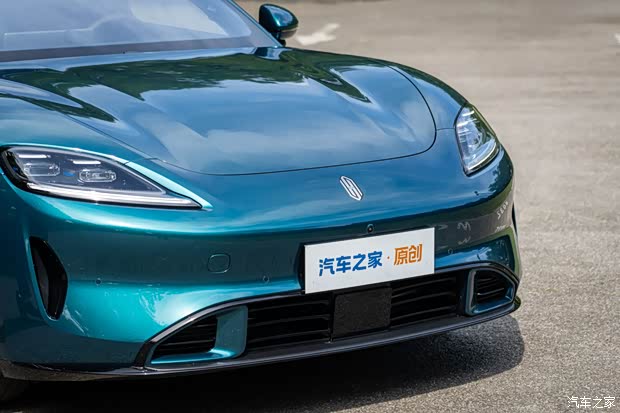
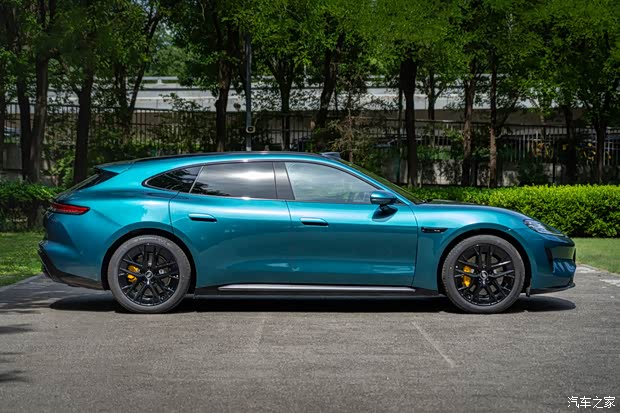
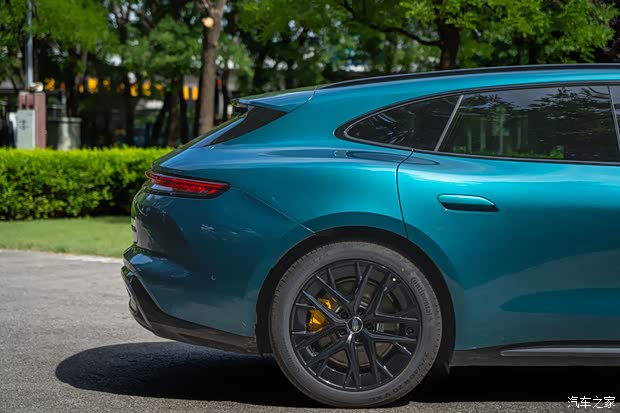
The Shangjie Z7T estate, a new battery-electric (BEV) model from the Huawei-backed Shangjie brand, has been put through its paces by Chinese outlet Autohome. The car's design is openly inspired by the Porsche Taycan Cross Turismo, and while the resemblance is clear, Autohome notes the proportions work well: at 5,036 mm long, 3,000 mm between the axles and 1,976 mm wide, the Z7T looks long and low, as a good estate should.
Inside, the familiar HarmonyOS cabin features a 15.6-inch central touchscreen that can tilt toward the driver or front passenger. Front seats come with heating, ventilation and massage as standard, and the passenger seat gains a zero-gravity mode. Two 50 W wireless charging pads sit ahead of the centre console, with an adjustable divider that lets a folded smartphone lie flat while charging. Autohome cautions against placing hard objects in the 'inspiration window' ahead of the passenger, as they could become projectiles in a crash.
Driving and charging impressions
The tested Max version uses a single rear motor producing 359 PS (about 264 kW), good for a 0-100 km/h sprint of 5.47 seconds. Autohome found the accelerator and brake pedals overly sensitive in traffic, with the transition between regenerative and mechanical braking needing some adjustment. The suspension, a double-wishbone front and five-link rear setup with continuously variable damping, is tuned for comfort, absorbing bumps well but feeling less composed during rapid direction changes.
In a real-world range test, the Z7T covered 270 km on a charge from 80% to 30% battery at an average speed of 68 km/h, implying a total range of roughly 540 km. That works out to an average consumption of 15.62 kWh/100 km, which Autohome says should be enough for a week of daily commuting on a single charge. Using a 480 kW fast charger, the battery went from 30% to 80% in 13 minutes, with a peak charging power of 208 kW.
Pricing and positioning
The Z7T Max is the entry-level version, yet it comes with a head-up display, heated and ventilated front seats, a zero-gravity passenger seat and a 896-line lidar as standard. Autohome recommends the Z7T over the Z7 saloon for its more practical boot and sleeker proportions, despite the 10,000 yuan (about $1,400) price difference. The exact price was not stated in the review, but the Z7T is positioned as a mainstream offering in China's increasingly crowded EV estate segment.