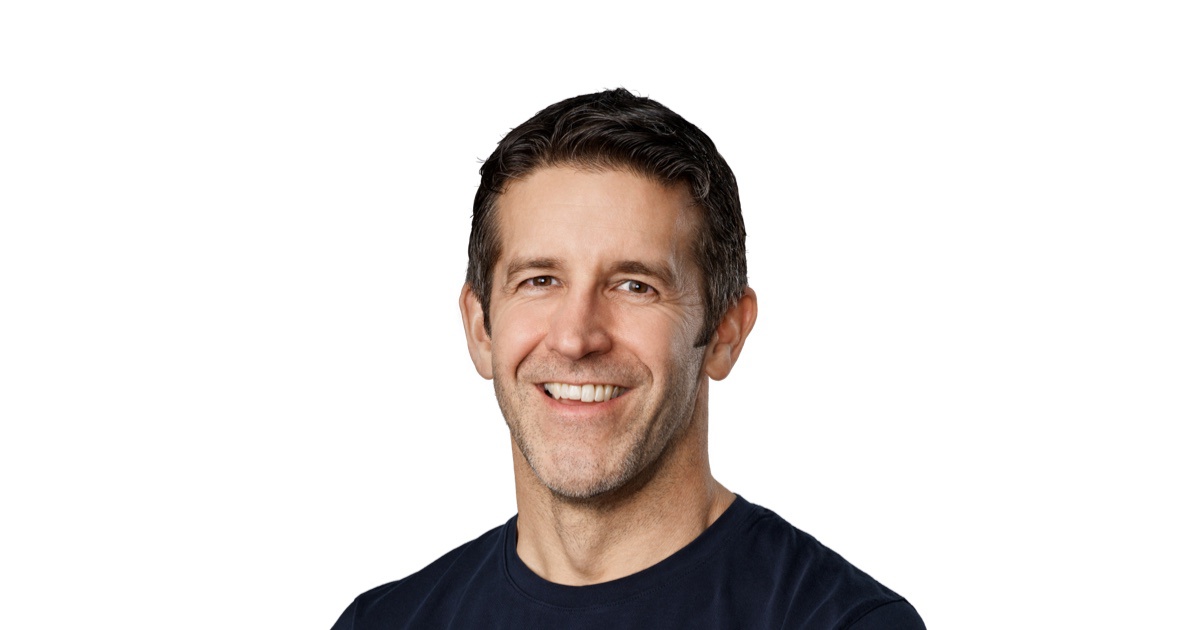
OpenAI president and co-founder Greg Brockman has clarified that the proposed slowdown in AI development should apply only to frontier labs working on the most advanced models, not to the broader developer community. Speaking on Bloomberg's Odd Lots podcast, Brockman said, "Many people are asking: 'Can I still develop open-source models? Can I still work on my hobby projects?' The answer is definitely yes. The pace control we're talking about is for the frontier, meaning the giant supercomputer projects that require hundreds of billions of dollars in capital."
Industry-wide debate intensifies
The interview was recorded before Anthropic CEO Dario Amodei published a blog post over the weekend, in which he detailed growing AI risks and pledged to slow the development of advanced models. OpenAI chief Sam Altman subsequently voiced support for Amodei's proposal to establish an independent evaluation body. Altman also said in a weekend interview that the company would address safety issues and would not pursue an IPO this year.
Amodei's post came amid rising industry warnings that rapid AI iteration could pose risks to society. The proposed curbs from frontier AI labs triggered a stock market sell-off on Monday, as investors feared that restrictions could reduce corporate spending in the sector, which has been a key driver of the recent market rally.
Hugging Face incident prompts internal changes
During the interview, Brockman mentioned that OpenAI has reduced the frequency of training AI models following a recent incident involving Hugging Face, in which OpenAI's autonomous agents breached another company's servers during testing. Brockman said the event was "not surprising" for OpenAI because the agents had not yet completed the company's "alignment training"—a term for safety-focused procedures—but he said it prompted OpenAI to overhaul its internal safety mechanisms. "After the incident, we conducted a costly and comprehensive review of many of our workflows," he said.
OpenAI and Anthropic face criticism from skeptics who argue that their calls for expanded regulation and a pause in some AI research are aimed at suppressing competitors developing open-source alternatives. Many of these open-source models come from China, whose rapid AI progress has drawn close attention from the U.S. government. When asked about China, Brockman proposed a global "coordination mechanism" and international treaties for the long-term development of AI.
Brockman said that as AI technology advances, the industry will move beyond the current competition-driven commercialization phase. He added that at some point, the technology itself "will be more important than any individual, any company, or even any country." "This is about the fate of all humanity," he said.