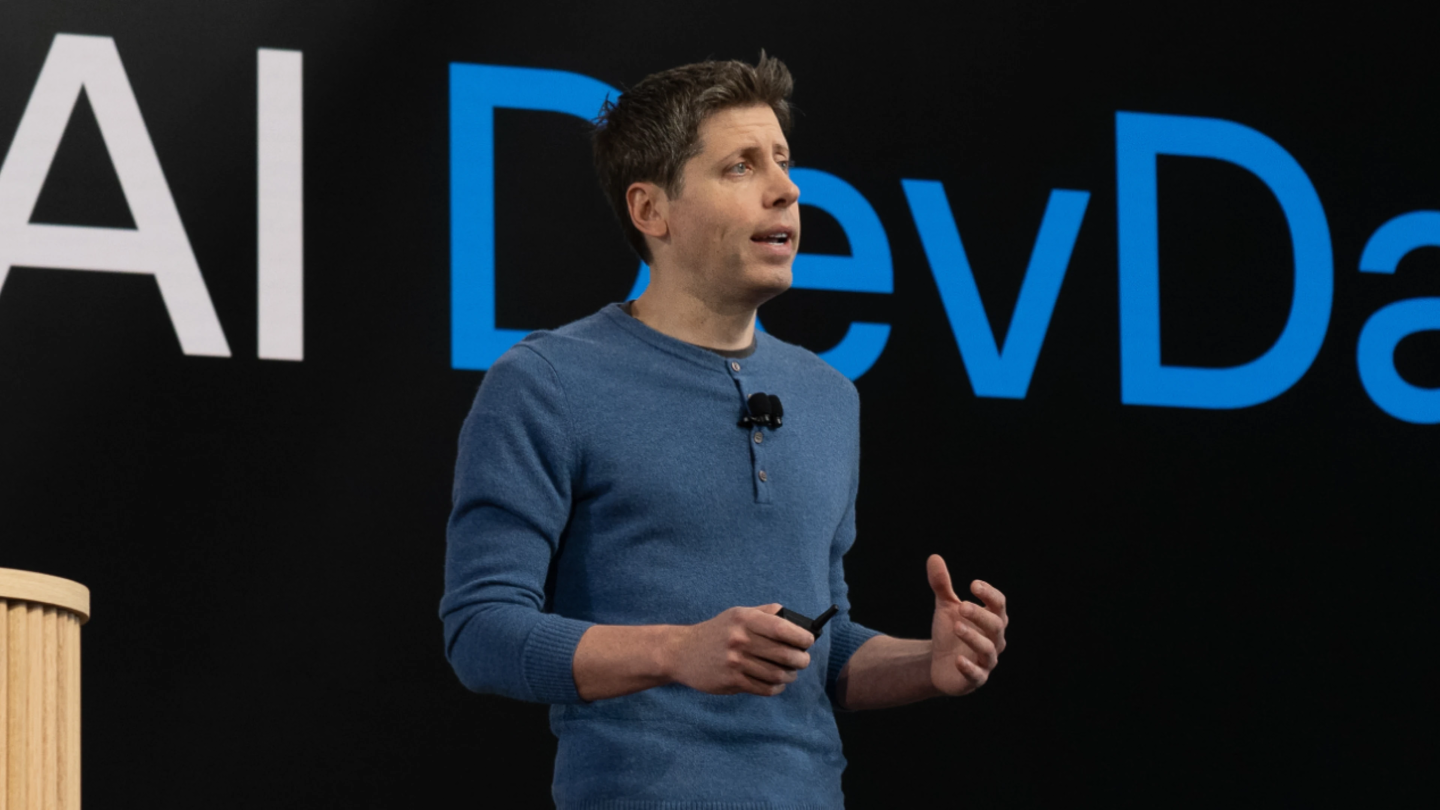
OpenAI chief executive Sam Altman has thrown his weight behind a "controlled speed" approach to artificial-intelligence development, arguing that slowing the pace of frontier-model capability growth is necessary to keep it within human control. In a post on X on Sunday, Altman said the trade-off was worth the cost, even as he acknowledged that shifting focus toward safety would carry a price.
"No matter how much competitive pressure the US faces, it cannot be a reason to act rashly, nor can it allow model capabilities to outpace alignment technology and regulatory oversight," Altman wrote, according to IThome. He was careful to distinguish his position from a moratorium: "What we mean by 'controlled speed' is not a 'halt'."
Industry alignment and market reaction
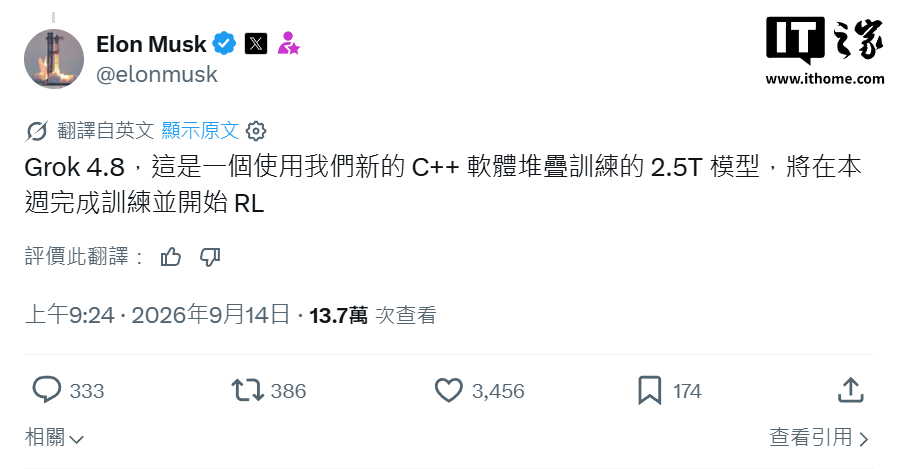
Altman's remarks echo those of Anthropic chief executive Dario Amodei, and come shortly after Amodei and SpaceX AI business head Elon Musk - often at odds - found rare common ground in calling for a slower pace of AI research. Earlier this month, Altman reportedly told OpenAI employees that the company would be willing to slow the iteration of frontier technology to more fully assess related risks, and confirmed that a 2026 initial public offering was off the table due to the prioritisation of safety-related matters.
The comments rippled through Asian markets on Monday. SoftBank, a major OpenAI investor, saw its shares plunge 13% in Tokyo, while South Korea's Samsung Electronics and SK Hynix both fell more than 4% in Seoul, according to IThome.
Altman reiterated in his Sunday post that OpenAI supports a federal-level AI regulatory framework in the US, and said the area where the company needs government help is in coordinating international efforts. The stance signals that safety concerns, not just capability races, are now shaping the public posture of leading AI firms.