Hyundai and Kia's combined retail sales in China fell below 10,000 units for the first time this year in September, as the Korean automakers continue to lose ground in the world's largest auto market. According to a report by Yonhap News Agency, citing data from Hana Securities and the China Passenger Car Association (CPCA), the two brands sold a combined 9,000 vehicles in the month, a 39% drop from a year earlier.
Hyundai sold about 4,000 units, down 47% year-on-year, while Kia sold approximately 5,000 units, a 31% decline. This marks the eighth consecutive month of year-on-year sales declines for the duo, with cumulative sales for the first nine months of 2026 reaching 115,000 units, down 22% from the same period last year.
The 0.6% market share is a new low for the two brands in China. In 2016, Hyundai and Kia together sold nearly 1.8 million vehicles in the country, holding a market share of over 10%. A decade later, their annual sales have shrunk to less than one-fifteenth of that peak, according to the report.
Product gap and EV transition
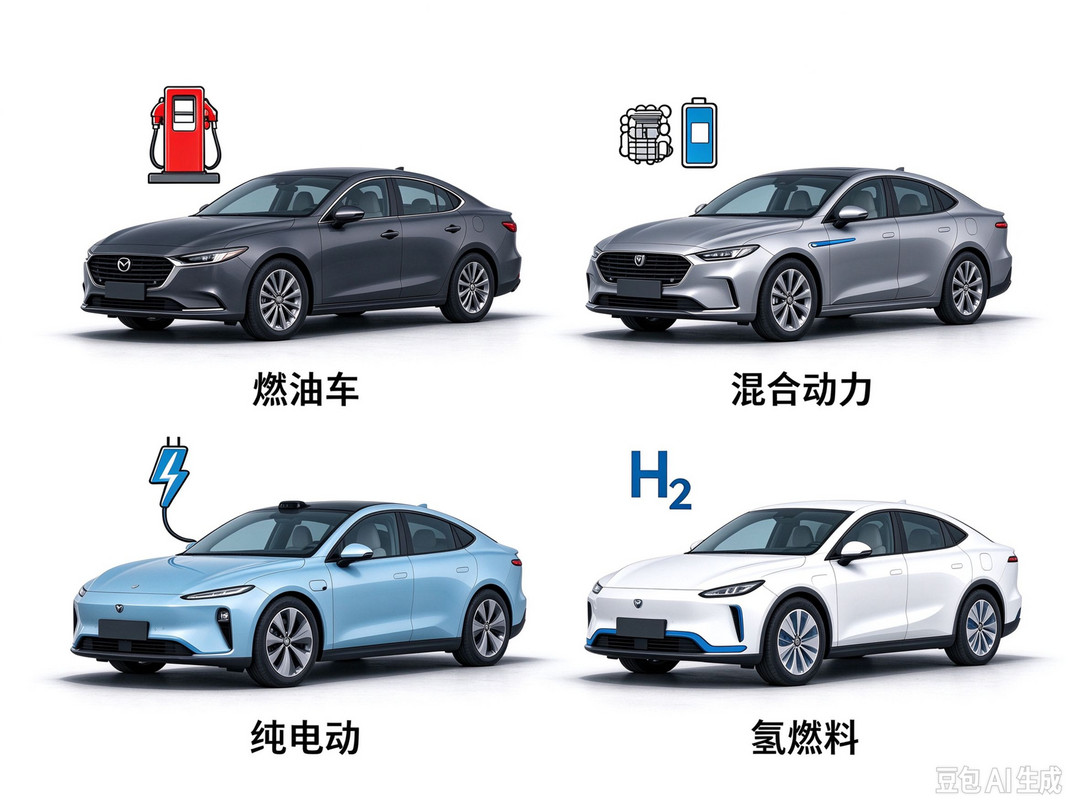
The main reason for the decline is a product gap. Beijing Hyundai and Yueda Kia still rely heavily on fuel-powered models, with their battery-electric (BEV) offerings lagging behind domestic Chinese brands. CPCA data shows that new energy vehicles accounted for more than 60% of China's passenger car retail sales in September, as the market for internal combustion engine vehicles continues to shrink.
The drop in China contrasts with the Korean group's global performance. Hyundai Motor Group remained the world's third-largest automaker by sales in the first half of 2026, with growth in India and the Americas. The loss of market share in China has not changed its global ranking.
The situation of Korean brands is a reflection of the broader divergence among joint ventures in China. German and Japanese brands have maintained their positions through electrified products and local research and development, while French and Korean brands have been increasingly marginalized. CPCA's weekly data shows that mainstream joint-venture brands are still experiencing sharper retail declines than domestic brands.
According to the report, the decline in sales is also attributed to the lack of new models and slow adaptation to the fast-changing Chinese market, where consumers are rapidly embracing electric vehicles and plug-in hybrids (PHEVs).