China's auto market is expected to sell about 1.6 million passenger cars in October, a decline of 28.9% from a year earlier, as a high comparison base and weak consumer sentiment continue to weigh on demand, according to the China Passenger Car Association (CPCA).
The monthly forecast, reported by Chinese outlet D1EV, points to a 1.1% dip from September, when retail sales reached 1.618 million units, down 28% year on year. The market remains in a bottoming phase, with the traditional "golden September, silver October" selling season failing to deliver its usual boost.
NEV resilience amid overall slump
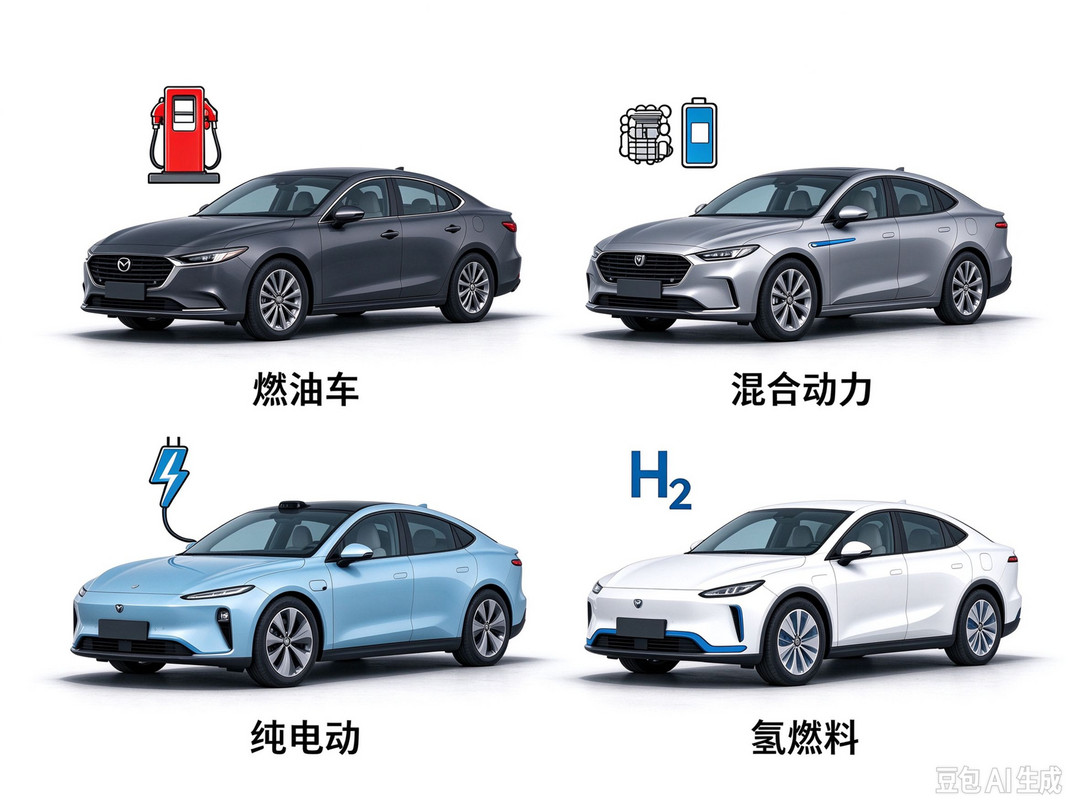
New energy vehicles (NEVs) continue to prop up the market. October NEV retail sales are projected at about 1.07 million units, giving a penetration rate of roughly 66.9%, according to the CPCA. In September, NEV sales stood at 1.084 million units with a 67% penetration rate.
By contrast, gasoline vehicles are struggling. September fuel-car retail sales fell more than 40% year on year to 534,000 units, and October is expected to see similar weakness, with high oil prices and limited seasonal improvement doing little to reverse the trend.
The NEV segment benefits from strong order backlogs and a pipeline of new models slated for launch before year-end. However, the CPCA noted that NEV sales growth has entered a plateau, with longer lead times from unveiling to delivery affecting transaction momentum.
Weekly volatility and cautious outlook
October's weekly sales pattern was uneven, according to the CPCA. The first week, coinciding with the National Day holiday, saw average daily retail of 32,000 units, down 25% year on year. The second week jumped to about 58,000 units daily as holiday orders were delivered, a 22.5% decline. The third week eased to 47,000 units, the fourth to 49,000, and the final week is expected to reach 79,000 units as automakers push for month-end volume, though that would still be down 33.3% from a year earlier.
Macro data underscores the pressure. National Bureau of Statistics figures cited by the CPCA show auto retail sales fell 14.9% year on year in the first nine months of 2026, while September auto retail dropped 21.2%.
Looking ahead, CPCA secretary-general Cui Dongshu expects the domestic market to bottom out and recover by 2027, with average annual retail growth of around 2%. He pointed to the phase-out of NEV purchase tax incentives, a sharp drop in lithium carbonate prices from their 2026 peak, and lower battery costs as factors that could unlock demand.
For automakers, the "silver October" test is no longer just about selling more cars, but about holding ground in the electric transition, D1EV said. The 66.9% NEV penetration rate is not an endpoint but another marker of China's shift in growth engines.