
On September 12, a topic titled "Fake Alipay App" topped the trending list on China's Weibo platform, with multiple netizens reporting that a developer had created a counterfeit Alipay application. The app lets users input any amount and generate a fake transfer screenshot, complete with billions of yuan, to satisfy the vanity of showing off wealth.

According to IThome, a Chinese technology news outlet, the fake app has raised concerns about potential misuse in scams. Alipay's official security center responded with a warning, reminding users that screenshots circulating online are not necessarily trustworthy and urging caution. The company also stated it will continue to cooperate with relevant authorities to combat online fraud.
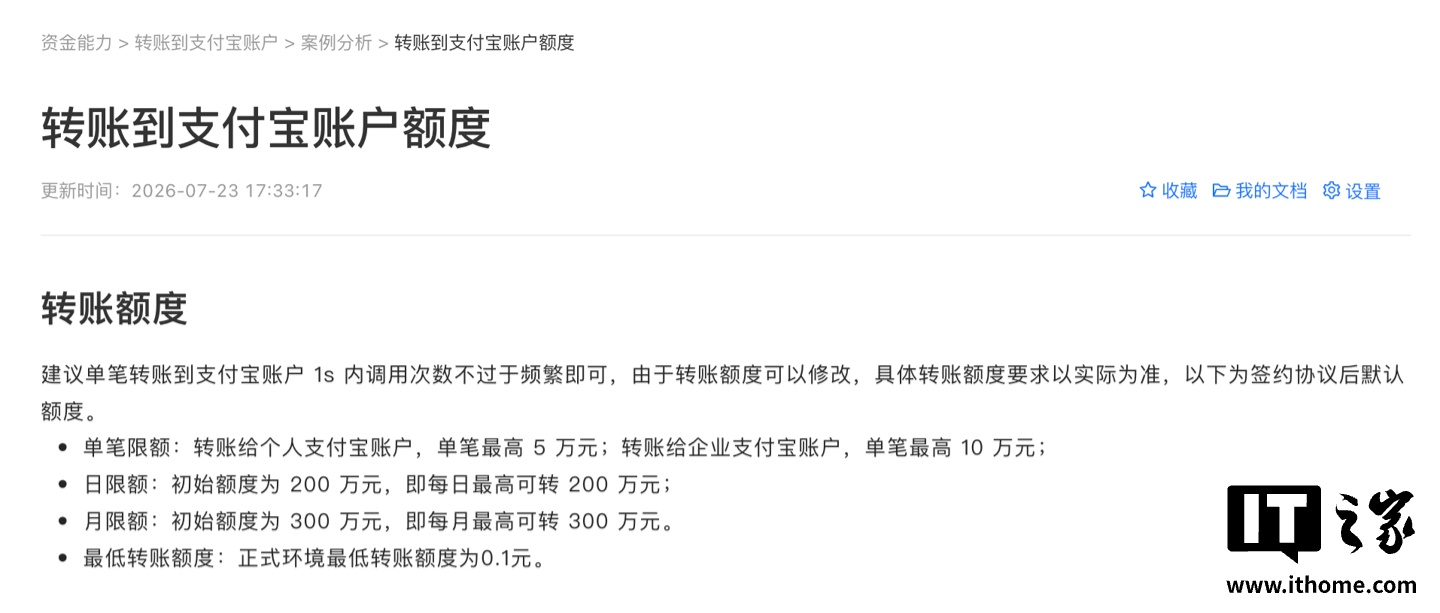
Alipay's Official Limits and Advice
Alipay's documentation shows that personal transfers to individual accounts are capped at 50,000 yuan (about $7,042) per transaction, while transfers to business accounts are limited to 100,000 yuan (about $14,084). This makes the so-called "billion-yuan transfer screenshots" obviously fake, as the amounts far exceed the platform's actual limits.
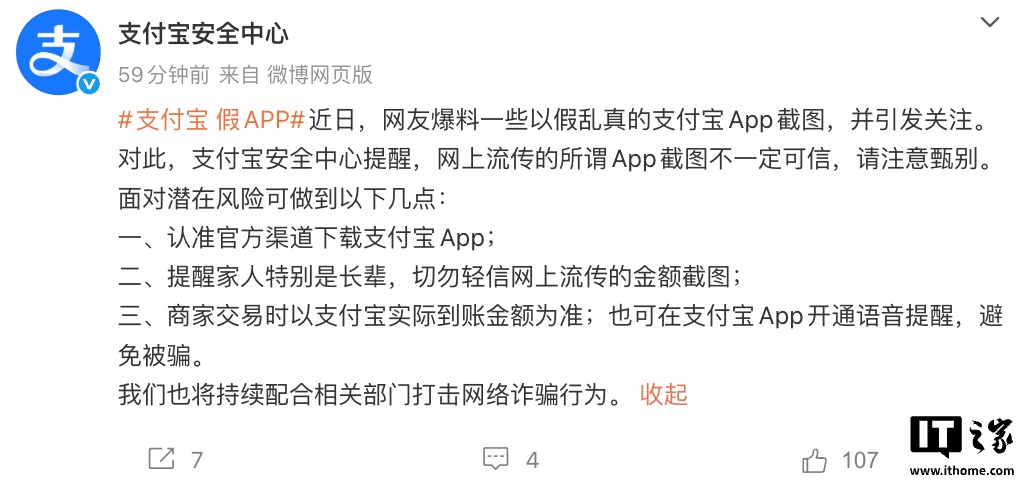
The security center offered three pieces of advice: first, be wary of any transfer screenshots seen online; second, remind family members, especially the elderly, not to trust such images; and third, for merchants, always verify the actual amount received in their Alipay account, and consider enabling voice notifications in the app to avoid being deceived.
Broader Context and Tech Implications
This incident highlights the growing sophistication of fake apps and the importance of digital literacy in China's rapidly evolving mobile payment ecosystem. Alipay, operated by Ant Group, is one of the country's leading payment platforms, and such scams underscore the need for users to verify transactions directly through official channels.
The story also comes amid Alipay's recent push into AI-driven services, such as the announced "AI Pay · Embodied Intelligence" feature, which allows users to make purchases via robot dogs. This juxtaposition of cutting-edge technology and basic fraud prevention illustrates the dual challenges of innovation and security in the tech industry.
Based on reporting by IT之家. Edited and published in English by geisou.