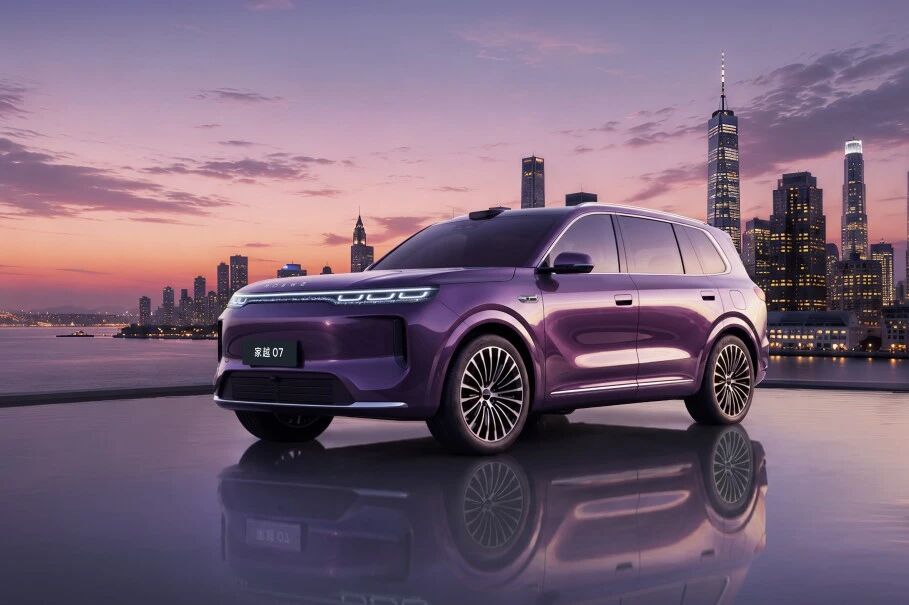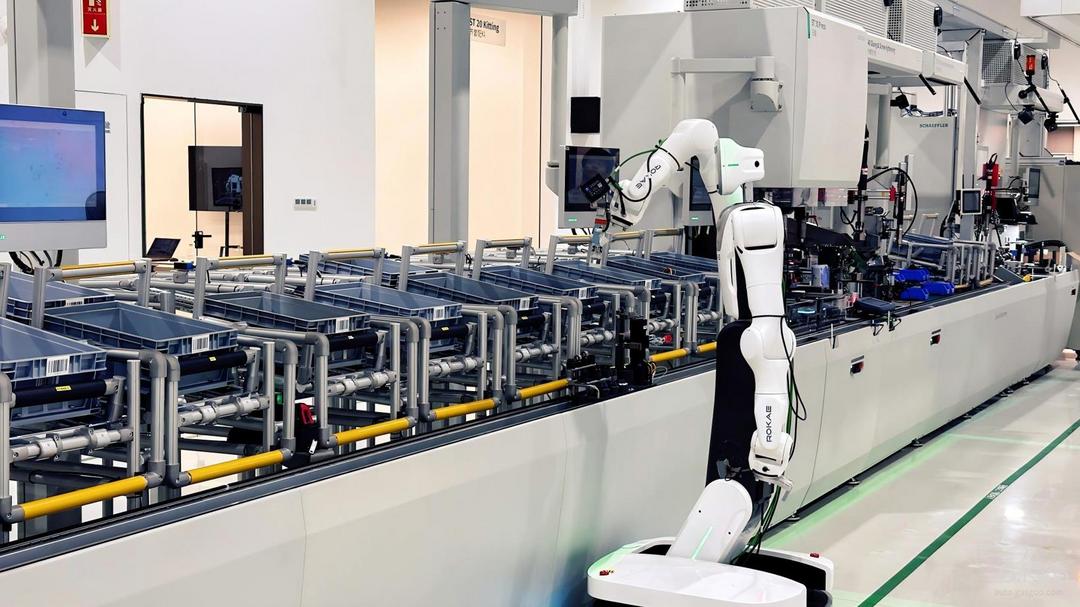
At a launch event in Suzhou, XHEART (Xin Xin Hang Tu) CEO Li Zonglin took the stage to introduce the company's first automotive AI chip, the X7 Ultra. The chip, designed from the ground up for large language models and advanced driver assistance, claims a remarkable 98.7% NPU utilization in real-world testing, according to PCauto. The company's founding team includes veterans from OPPO's disbanded Zeku semiconductor unit, which had invested four years and nearly 3,000 engineers before shutting down just short of mass production.
From Zeku's ashes to a new chip strategy
Li, a 20-year chip industry veteran who previously led MediaTek's Helio and Dimensity platforms, co-founded XHEART in December 2023 with Li Jun, former head of chip development at autonomous driving company Momenta. The startup's core philosophy is "large models define chips" - a reversal of the traditional approach where chips are designed first and software adapted later. This means the chip architecture is shaped by the computational demands of AI models, with key operators like LayerNorm and Softmax receiving native hardware acceleration, and memory bandwidth optimized for transformer architectures.
The company's early results are striking: the X7 Ultra chip achieved full silicon bring-up in under 24 hours, and within 21 days, test vehicles were running in real traffic. The chip is manufactured using a process that allows for both FP16 and FP32 precision, and the company claims a 99.99% similarity between quantized model outputs and full-precision FP32 models.
Measured performance, not paper TOPS
XHEART emphasizes "effective computing power" over raw TOPS figures. Independent tests using production-grade autonomous driving models show the NPU achieves 98.7% utilization, reduces memory bandwidth consumption by 80% compared to industry flagships, and doubles energy efficiency. The chip's architecture minimizes data movement between cores and external DDR memory, with a whole-network fusion toolchain that optimizes entire neural networks rather than individual operators.
The company's relationship with Momenta is a key differentiator. While Momenta acts as a "user" during architecture definition, providing model requirements and future trends, XHEART makes its own decisions on microarchitecture and toolchain. This separation allows automakers to combine the chip with either Momenta's algorithm stack or their own in-house software, similar to how Intel and Microsoft collaborated on PCs while selling separately.
In eight months of production, the X7 series has shipped over 200,000 units, been integrated into 10 production models, and secured design wins for more than 40 vehicle models. Customers include both Momenta-based and self-developed algorithm stacks. The chip is positioned for L4 autonomous driving, which the company says will require models with hundreds of billions of parameters.