
Three months after China introduced rules requiring food-delivery outlets to livestream their kitchens, a CCTV investigation has found the system is largely failing, with most 'transparent kitchen' cameras not showing cooking at all, according to IThome.
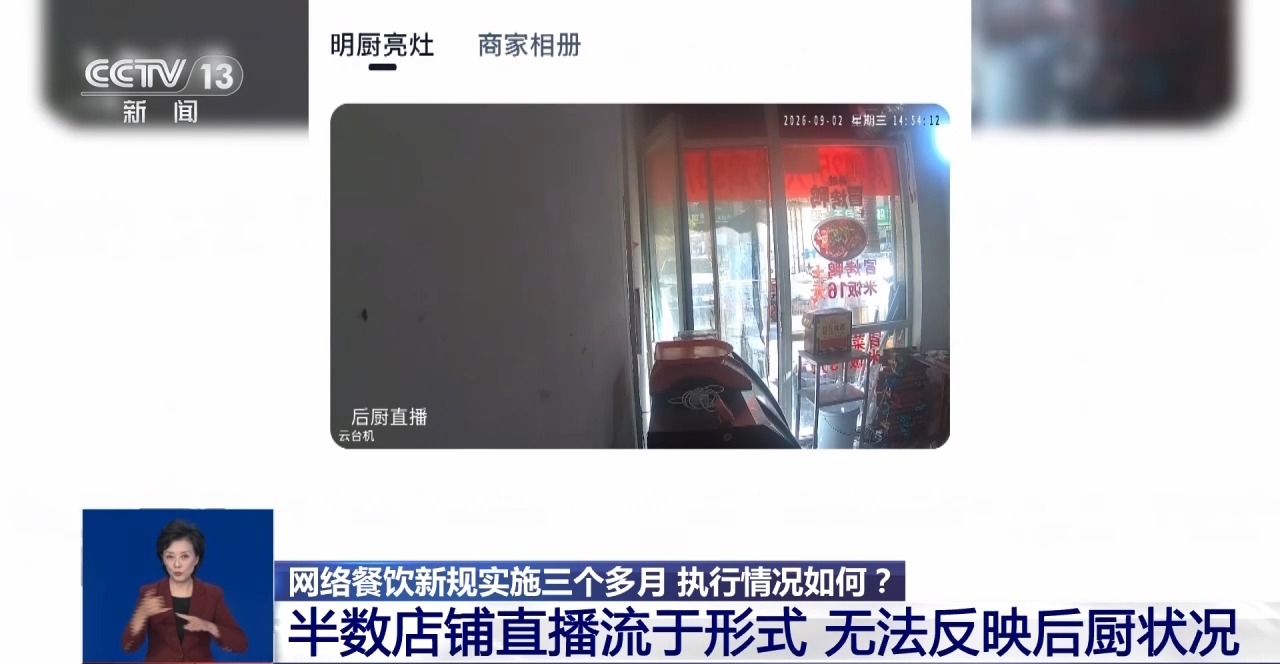
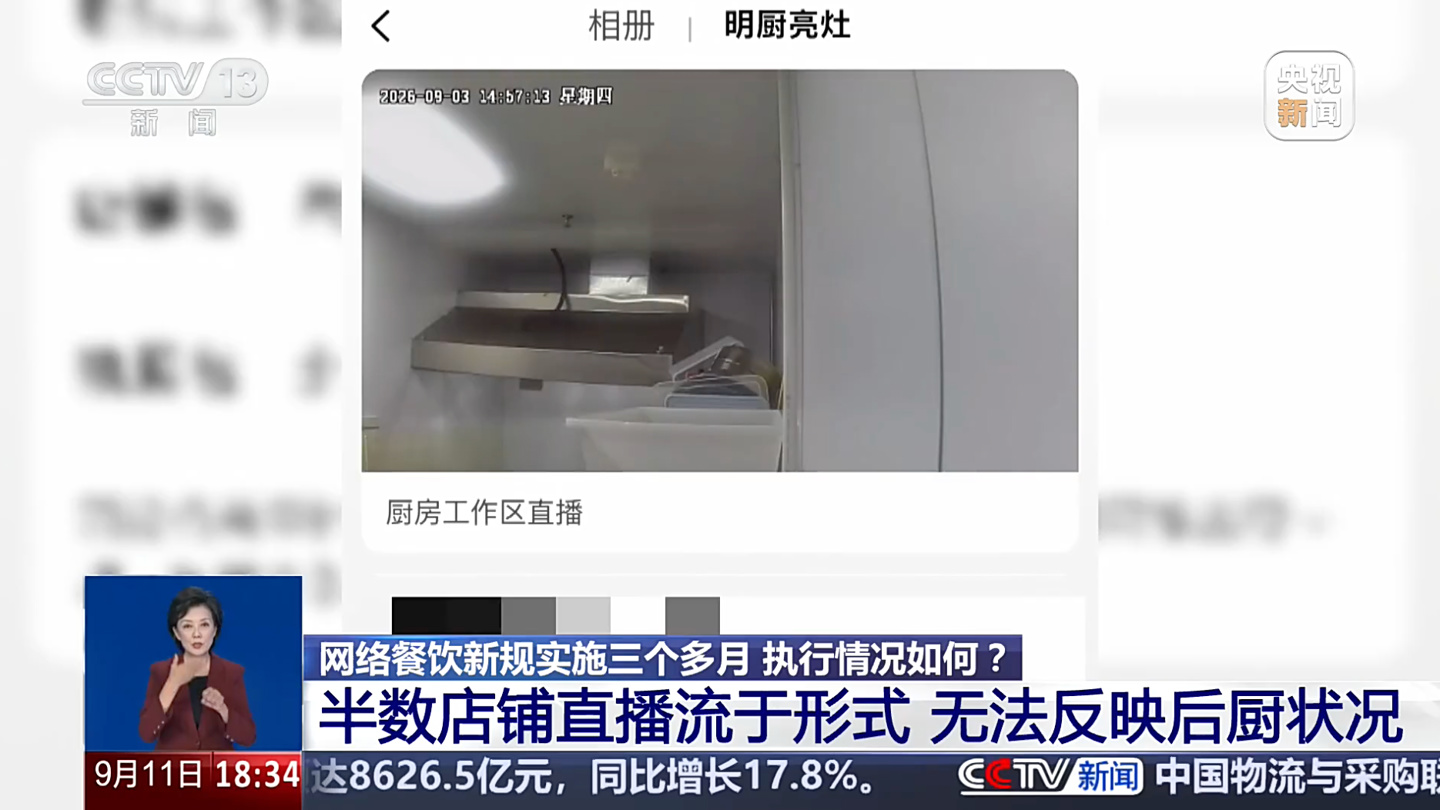
The regulation, which took effect on June 1, requires online food-delivery businesses to comply with food-safety standards and encourages an 'internet + transparent kitchen' model, letting consumers watch live feeds of restaurant kitchens. But a CCTV report published this week found that of 60 delivery-only shops in Beijing, Tianjin and Jinan that carry the 'transparent kitchen' label, 17 had completely non-functional live feeds, and of the 43 that did display a picture, only 20 showed actual kitchen activity. The other 23 feeds were pointed at storage areas, dining rooms or even ceilings, rendering them useless for oversight.
Unsanitary conditions exposed
Reporters who visited delivery-only food hubs in several districts of Jinan found serious hygiene violations. At one shop, a bare-chested employee served a reporter who bought roast chicken. The roasting oven was in a warehouse-like room stacked with empty cardboard boxes, and a disinfection cabinet held express-delivery parcels. The employee, wearing no protective gear, picked a chicken from the oven with bare hands and placed it on a cutting board along with used tissue paper.
The chicken was then taken to another room for microwave heating, which the staff said also served as a prep area for burgers and fried snacks. Two uncovered rubbish bins were overflowing, and one bin sat next to openly stored ingredients. The microwave interior was coated with a thick layer of grease.

Regulators from the Jinan High-tech Zone market supervision department issued a rectification order against the fast-food shop for violating food-safety operation standards, requiring it to correct the problems by September 15, 2026.
Platform crackdowns
According to IThome, Jinan has been running regular inspections of delivery restaurants this year, and platforms have removed more than 7,000 merchants with incomplete qualifications or repeated kitchen problems. The number of delivery restaurants in the city has fallen from 33,000 before the crackdown to 24,000.
The CCTV investigation also highlighted the persistence of 'ghost kitchens' — unlicensed operators that can get onto delivery platforms for as little as 500 yuan (about $70). The report follows earlier coverage of a delivery rider who won compensation for lost income from a second job after an accident, underscoring the broader scrutiny of the gig-economy food-delivery sector.
The findings raise questions about the effectiveness of self-regulatory measures in China's massive food-delivery market, where platforms like Meituan and Ele.me dominate. The 'transparent kitchen' scheme was meant to give consumers real-time visibility into food preparation, but the CCTV survey suggests that without stronger enforcement, many outlets treat the cameras as a formality rather than a genuine safety tool.
Based on reporting by IT之家. Edited and published in English by geisou.