
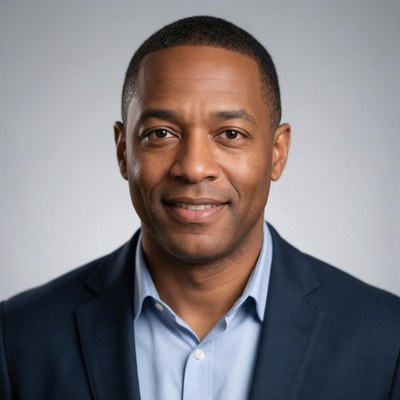
Audi China has appointed Zhang Jun as its next president, making him the first Chinese national to lead the Volkswagen Group luxury brand's China operations since the unit was established. Zhang takes office on November 1, 2026, succeeding Dr. Luo Yinghan, the outgoing president, according to Sina Auto.
Zhang joins from Chery, where he most recently served as vice president of Chery International and CEO of the Chery brand. In that role he also headed the Chinese carmaker's European operations, giving him first-hand experience of the markets where Audi and Chinese manufacturers increasingly compete. Before Chery, he spent part of his career on the other side of that contest: as a managing director at Stellantis, he led Alfa Romeo and DS Automobiles in China.
His new job is also a return of sorts. From 2018 to 2020, Zhang held senior management roles at Audi China, where his responsibilities included building the sales organisation for SAIC Audi and working on strategic projects with FAW Audi. Even earlier, he held leadership positions at Nissan covering Japan and North America. Over more than two decades, that mix has given him one of the rarer résumés in the Chinese auto industry: a manager who knows both how foreign premium brands are run and how Chinese manufacturers think.
A first for Audi China
The appointment is a double milestone. It is the first time Audi China's top job has gone to a Chinese manager, and it brings in someone who already understands the company's two-pronged structure in the country. Audi operates in China through two partnerships: FAW Audi, the long-standing joint venture with FAW, and SAIC Audi, the younger venture formed with SAIC. Zhang worked on both during his earlier Audi spell.
Audi said it believes Zhang combines international premium-market experience with a deep understanding of the Chinese car market and its manufacturers, according to Sina Auto. The choice also reflects a broader shift in China's joint ventures, where foreign partners are increasingly placing local executives in charge as the market moves decisively toward battery-electric vehicles and domestic brands set the pace on technology and product development.
Zhang's appointment lands at a delicate moment for Audi's Chinese partnerships. The two joint ventures have different product mandates and different shareholders, and balancing them has been a recurring challenge for the German headquarters. A president who has helped build both sales networks may find it easier to keep the two ventures moving in the same direction as Audi China pushes its electric lineup.
Why Audi China is going local
Audi's China business has been under pressure as homegrown brands accelerate new-model launches and the broader market pivots to electric drivetrains. A Chinese president with operating experience in both camps is likely to shorten decision chains on everything from model localisation to pricing and digital services. China remains Audi's single largest market, and the brand's fortunes there increasingly depend on how quickly local leadership can act.
The roughly one-year gap between the announcement and Zhang's start on November 1, 2026 suggests a deliberate transition, giving the outgoing president time to hand over and giving Zhang room to exit his Chery responsibilities. Chery, meanwhile, loses a senior executive who was central to its international expansion, though who succeeds him at Chery International has not been announced.
For Audi, the choice is the clearest sign yet that the premium brand is betting on local leadership to defend its position in a market that no longer rewards decisions made from afar.

