
Apple has started taking pre-orders for its iPhone 18 Pro series, which introduces a 2-nanometer A20 Pro chip and a variable aperture camera system. The devices, available in 18 Pro and 18 Pro Max variants, are priced from 9,999 yuan and 10,999 yuan respectively (approximately $1,408 and $1,549), according to IThome. The pre-order launch begins at 8 PM Beijing time on September 12.
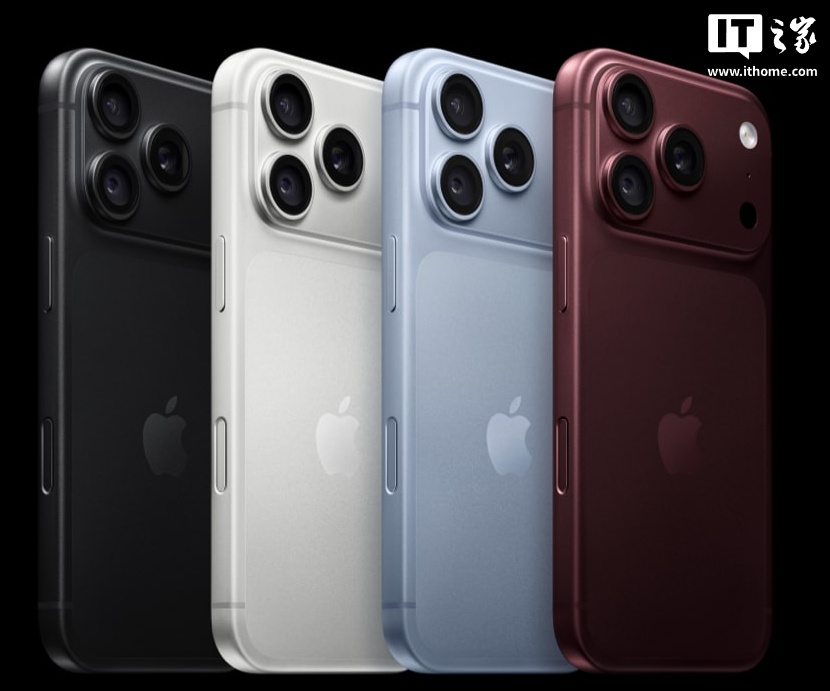
Design and display
The iPhone 18 Pro series features an aluminum unibody design with four color options: black, silver, glacier blue, and burgundy. The front uses a ceramic shield panel that Apple claims is three times more scratch-resistant than previous models, and the devices are rated for submersion up to 6 meters for 30 minutes. The Dynamic Island now supports up to three simultaneous live activities.
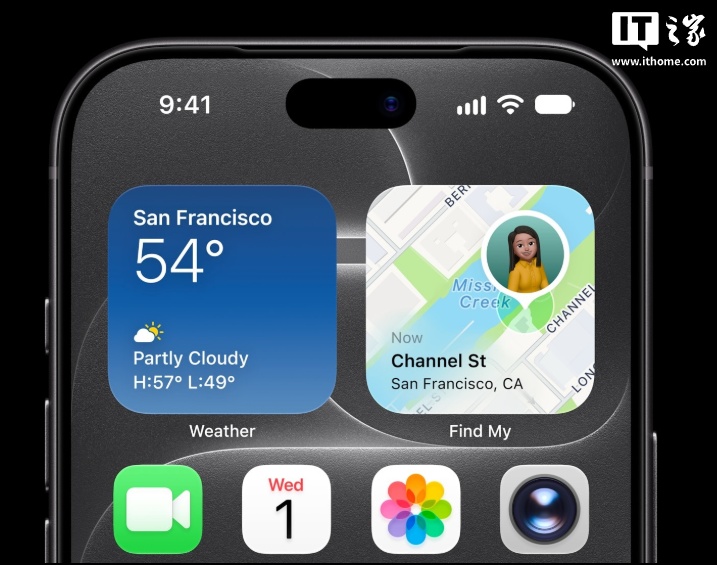
Both models come with a Super Retina XDR display with ProMotion adaptive refresh rates and always-on functionality. The 18 Pro has a 6.3-inch screen, while the 18 Pro Max offers a 6.9-inch panel.
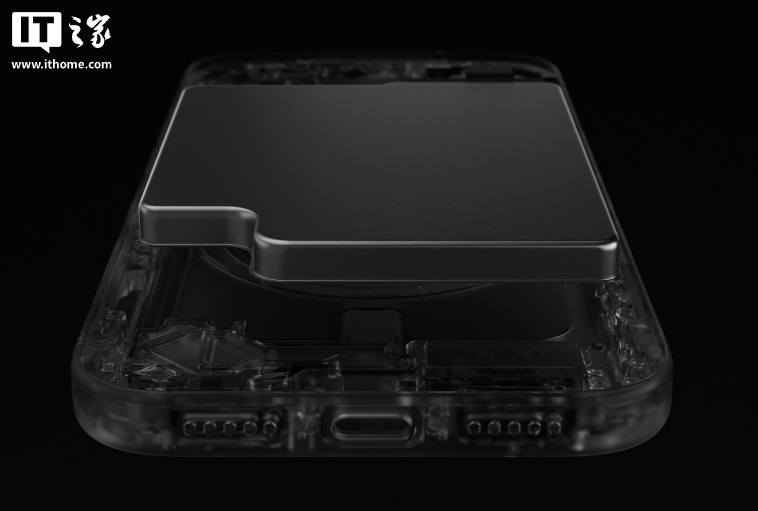
Performance and connectivity
The A20 Pro chip, built on a 2nm process, features a 6-core CPU and 7-core GPU, along with dual 16-core neural engines and hardware-accelerated ray tracing. Apple says the chip, combined with a new vapor chamber cooling system that triples heat dissipation area, delivers up to 40% better sustained performance than the iPhone 17 Pro.
The series also includes Apple's N1 wireless chip supporting Wi-Fi 7, Bluetooth 6, and Thread, as well as the C2 cellular modem, which offers AI-enhanced network quality and 15% lower energy consumption compared to the previous C1X.
Battery life is touted as the longest in iPhone history, with video playback lasting up to 34 hours on the 18 Pro and 43 hours on the 18 Pro Max. MagSafe wireless charging supports up to 15W with a 20W adapter.
The camera system includes a 48MP main sensor with variable aperture, a 48MP ultra-wide, and a 48MP telephoto lens, along with an 18MP front camera with Center Stage. The devices support 4K Dolby Vision video at 60fps and improved cinematic mode.
Based on reporting by IT之家. Edited and published in English by geisou.