Market observers say that calls from AI industry leaders to slow down frontier model development could weigh on chipmakers and supply-chain stocks in the short term, but the long-term impact is likely limited as spending on computing infrastructure remains strong, according to Bloomberg, as reported by IThome.
On Monday, semiconductor and other AI-related stocks may face the first wave of selling as investors assess whether a more cautious approach to frontier model development could compress corporate earnings. However, demand for chips, energy, and computing power continues to outstrip supply, so the pullback is likely to be temporary.
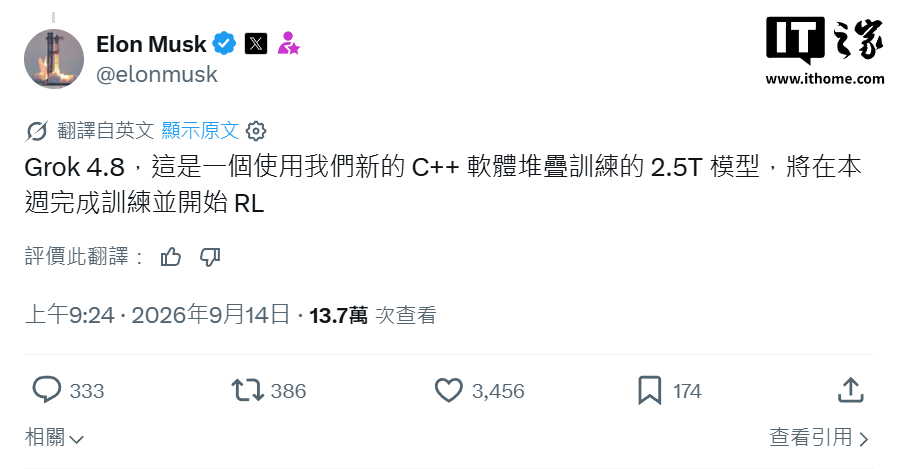
Anthropic CEO Dario Amodei said on Saturday that the company will add more safety measures, including independent third-party assessments, and called on the industry to slow the pace of development of the most advanced models. OpenAI CEO Sam Altman expressed support, and Elon Musk of xAI said, "Dario is right."
Short-term pressure, long-term optimism
Investors such as Gary Tan, a portfolio manager at Allianz Global Investors in Singapore, believe the event will not have a lasting impact on the industry. "There will be short-term pressure, but it is unlikely to reverse the long-term investment logic of AI," Tan said. "AI is still in a relatively early stage, and with rapid technological iteration, I am not sure other players in the ecosystem are willing to accept the current landscape and slow down simultaneously."
Concerns about massive spending on AI have already weighed on tech stocks, with investors questioning whether the soaring infrastructure costs can be justified by corresponding earnings. High-valuation AI stocks are particularly vulnerable, and any sign of increased spending or disappointing returns could trigger selling.
The tech-heavy Nasdaq 100 index has fallen more than 4% from its June record high, while the U.S. chip index has dropped 14% and Asian tech stocks are down nearly 8%. In the same period, the S&P 500 and MSCI World Index have both gained about 0.6%.
Some investors believe that a slowdown in AI development could ultimately be positive for the industry, giving companies more time to monetize the infrastructure already built. "The consensus among three CEOs to slow down will not actually reduce investment in chips, power, and infrastructure; it just extends the development cycle," said Billy Leung, an investment strategist at Global X Management in Sydney. "If the iteration of new model capabilities slows slightly, but commercialization and application scale continue to grow, the industry's focus can shift from building to monetizing existing assets."
Traders are also betting on a Fed rate hike this week and rising global financing costs this month, adding pressure on Asian tech stocks and threatening corporate earnings. Charu Chanana, chief investment strategist at Saxo Markets in Singapore, said tech valuations are premised not only on strong demand but also on expectations of rapid model iteration, and those valuations will face more scrutiny.
However, she believes market pessimism is unlikely to last long. Safety requirements will drive increased spending on cybersecurity and AI monitoring tools. Memory, networking, cooling, and power equipment companies, backed by ongoing projects, are expected to see solid performance. "Even with additional safety mechanisms, the trend of computing demand and AI application adoption will not disappear," she said. "For investors, more compliant and controlled development will make AI opportunities more sustainable, though the pace of technological progress will slow slightly."
On the Hyperliquid blockchain trading platform, which supports 24/7 trading of stocks and other assets via perpetual contracts, SK Hynix-related contracts began falling early Sunday. By 2 p.m. Singapore time, the contract was down about 2.5% on the day.