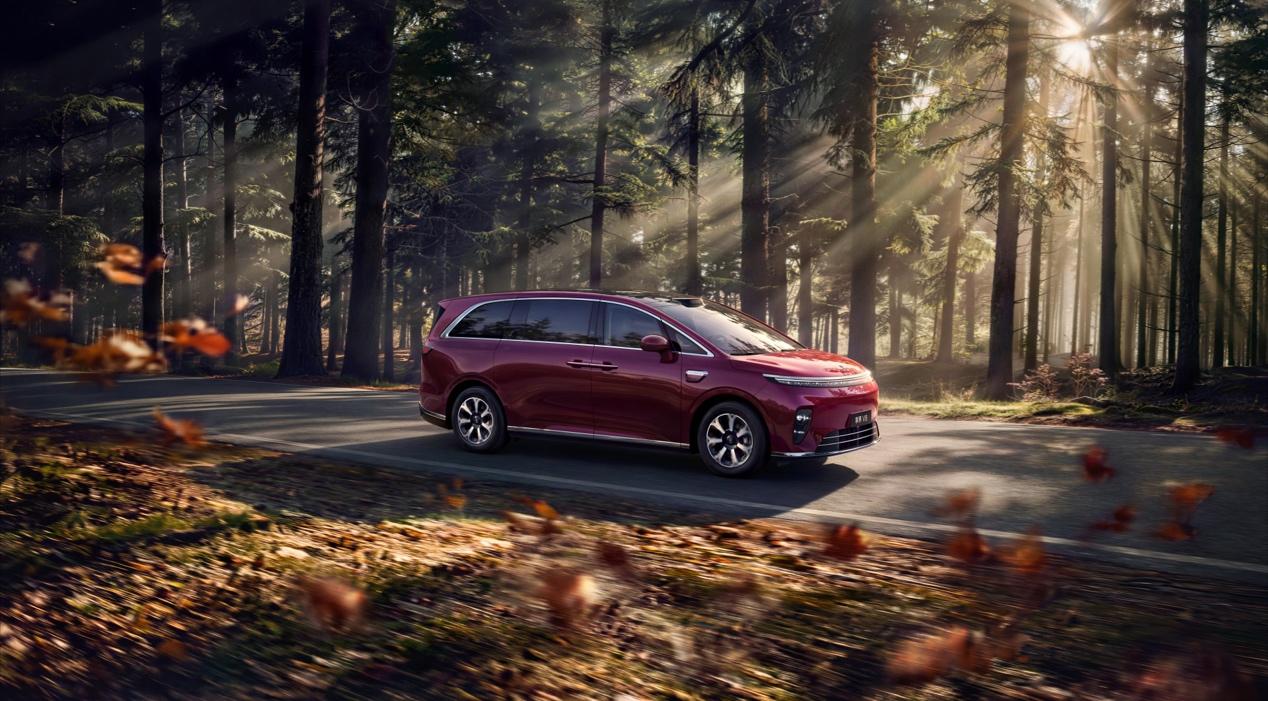
Last weekend, Beijing saw its first snowfall of the season, with accumulations in the western and northern suburbs reaching ankle depth and temperatures falling to minus 4°C. Almost immediately, social media filled with complaints from electric-vehicle owners: range "cut in half," heaters left off to save power, and long queues at charging stations. This seasonal ritual is as predictable as the cold itself.
On paper, modern EVs should have put range anxiety to rest. Mainstream battery-electric models now advertise CLTC ranges above 600 km (about 510 km WLTP est.), while plug-in hybrids and range-extenders often claim combined ranges exceeding 1,000 km. But in real-world winter driving, the numbers shrink dramatically. According to a May 2026 report from the American Automobile Association (AAA), at minus 6.7°C, pure EVs lose an average of 39% of their calculated range, while hybrids see fuel economy drop 22.8%. Chinese industry winter tests show similar results: vehicles without special cold-weather tech typically lose 30-40% of range at minus 10°C, and over 50% at minus 20°C.
Real-world impact on drivers
Gao Hua, a driver for a Beijing ride-hailing platform, told the outlet that his battery-electric sedan manages about 700 km in summer but only a little over 400 km in winter. For daily commutes, that's tolerable, but for ride-hailing drivers and frequent long-distance travelers, every lost kilometer means an extra charging stop and less time on the road. Gao has noticed colleagues being more sparing with cabin heating in winter.
Cold weather also slows charging, and when combined with peak congestion at charging stations, a planned trip can be thrown off by a single long wait. The industry's response is shifting, according to a representative from Voyah, who told Gasgoo that simply adding battery capacity no longer solves the winter problem. Instead, heat-pump efficiency, battery preheating logic, and charging stability are becoming the new battlegrounds.
Winter testing data shows that plug-in hybrids and range-extenders hold up better than pure EVs, with extreme-cold range achievement rates of about 52-53% versus 42% for battery-electric models. That ten-percentage-point gap can mean one fewer charging stop for drivers. Sales data from northern provinces like Heilongjiang and Ningxia reflect this: plug-in hybrids and range-extenders account for a significantly higher share of new-energy vehicle registrations than in the south, with some provinces seeing plug-in hybrids exceed 30% of the market.
Technology and infrastructure evolve
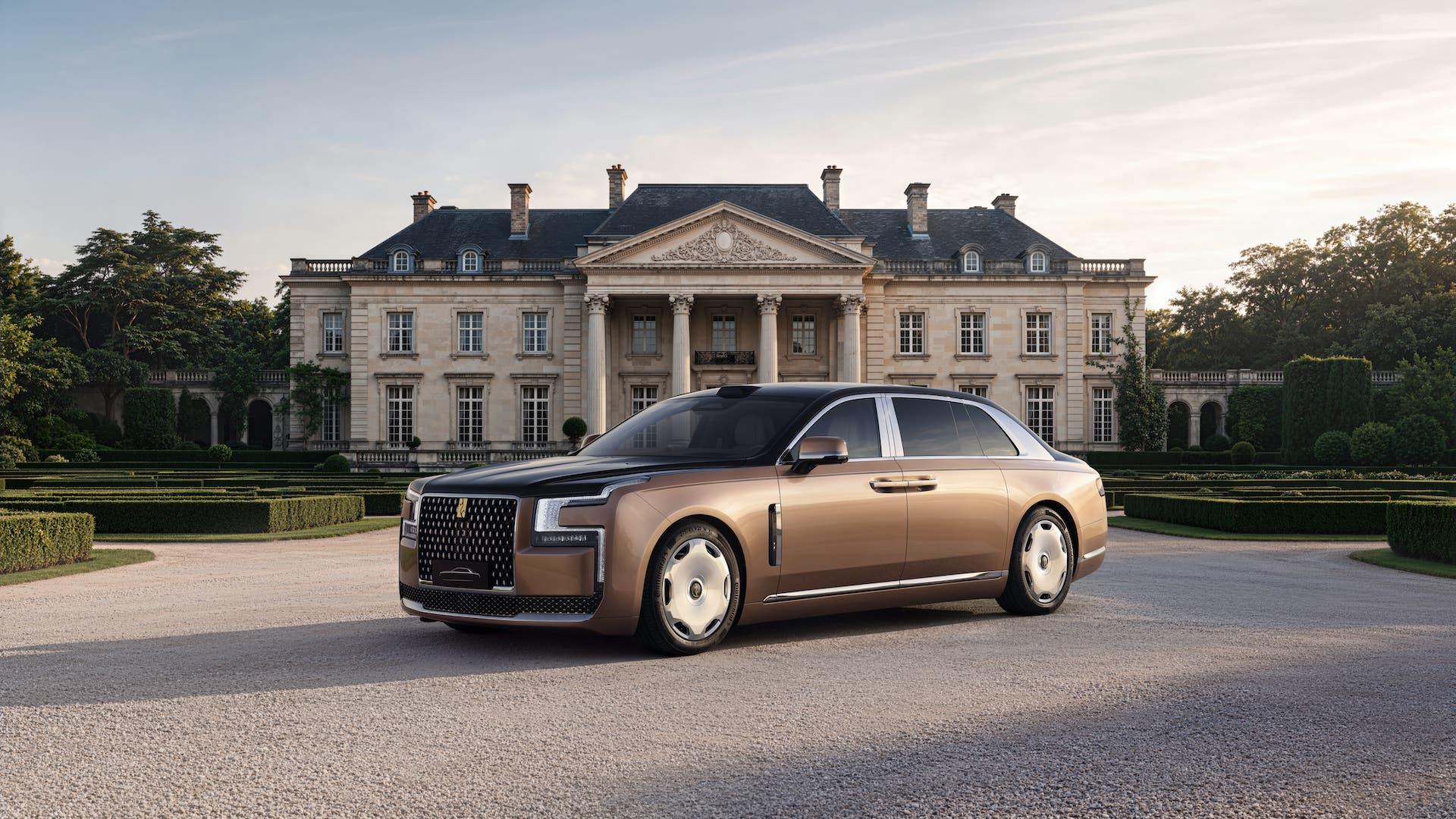
The key to better winter performance lies in thermal management, not just battery size. Voyah's Taishan model, for example, features an intelligent multi-mode heat-pump system that starts instantly at minus 40°C, combined with battery preheating and 800V high-voltage thermal control. Heat pumps are gradually replacing power-hungry PTC heaters, and well-designed thermal systems can improve winter range and fast-charging efficiency by more than 30%.
Charging infrastructure is also expanding. China now has over 5 million public charging piles, and coverage at highway service areas continues to improve. High-voltage 800V platforms and ultra-fast charging are cutting replenishment times. For automakers, improving winter experience requires a multi-pronged approach: pure EVs need better low-temperature battery performance and thermal management, while plug-in hybrids and range-extenders must balance electric driving experience with fuel-based convenience. As both vehicle technology and charging networks advance, winter range anxiety may finally begin to thaw.