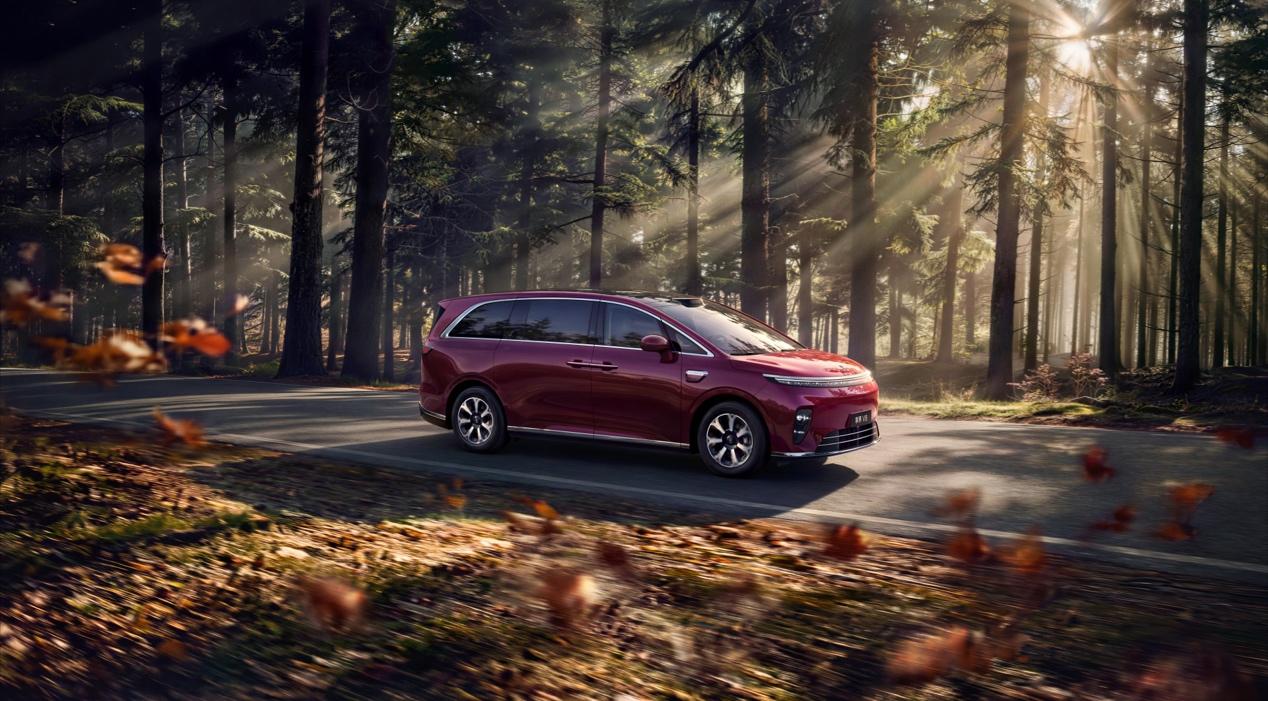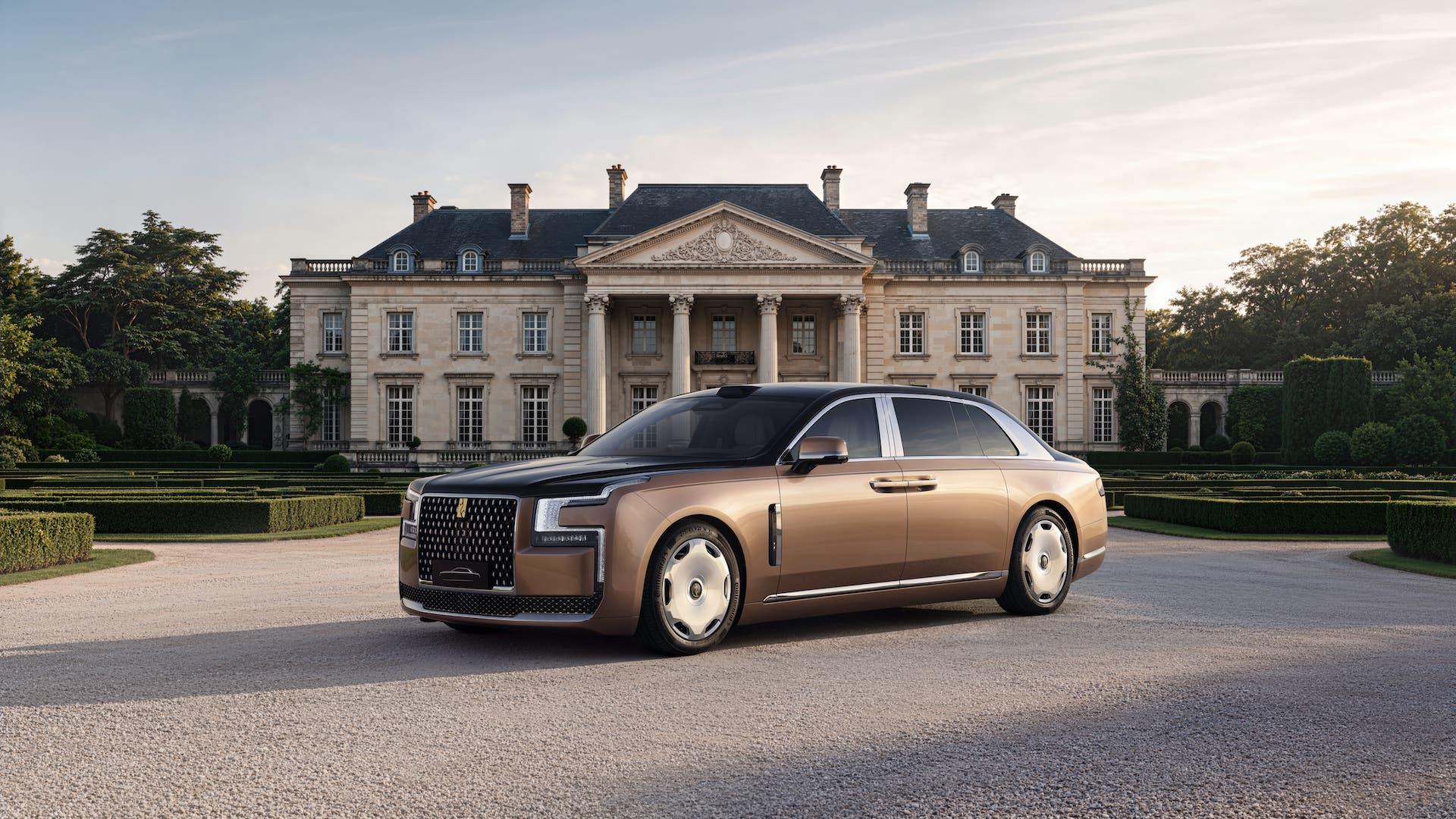
Chinese electric-vehicle makers Seres and Li Auto are preparing to enter the European market by 2027, as domestic demand softens, according to a roundup published by Chinese outlet D1EV. The two brands join a growing wave of Chinese automakers looking to offset slower home-market sales with exports to Europe.
Seres, known for its AITO-branded SUVs co-developed with Huawei, and Li Auto, a leading maker of extended-range electric vehicles (EREVs, which pair a battery with a small petrol generator), have not yet detailed which models they will sell or in which countries. The move reflects a broader trend: Chinese EV makers are increasingly looking overseas as competition at home intensifies and price cuts squeeze margins.
UK weighs softer 2030 EV target
Separately, the UK government is expected to lower its 2030 zero-emission vehicle sales target to around 60%, down from the current 80%, according to The Guardian, citing government sources. The UK's zero-emission vehicle mandate, introduced in 2024, requires automakers to steadily increase the share of zero-emission vehicles in new car sales: 33% in 2026, 80% by 2030, and 100% by 2035. The government is likely to approve the 60% target and extend the policy's flexibility mechanism to 2034, the report said.
The potential softening comes as Europe's EV market accelerates. In October, battery-electric vehicles (BEVs) accounted for a record 34% of new car registrations across 12 major European markets, up from 22.4% a year earlier. The surge is straining supply chains and profit margins: Volkswagen's ID Polo is facing cell shortages, and Mercedes-Benz's electric GLC is sold out for 2026. Volkswagen expects that only when its SSP software-defined architecture arrives around 2030 will its BEVs match combustion models on cost and margin.
BMW and Volkswagen have also warned that the shift to EVs is hurting the residual values of petrol and diesel cars, pressuring profits at their leasing businesses and at rental firm Ayvens. In Germany, the residual-value gap between BEVs and combustion cars narrowed to about 6 percentage points in August, from around 10 points at the end of 2025.
Canada extends charging program; Tesla to cut Cybertruck output
Canada plans to add C$587 million (about $430 million) in its 2026 budget to extend its flagship Zero Emission Vehicle Infrastructure Program (ZEVIP), which supports public charging stations. The program, launched in 2019, has helped build 58,874 chargers and would have expired in 2027 without new funding. The extension would support 55,000 additional chargers between fiscal 2027-28 and 2032-33. BEVs accounted for just 7.4% of new car sales in Canada in the second quarter of 2026, according to Statistics Canada.
Tesla CEO Elon Musk said the company will begin scaling back production of its Cybertruck electric pickup around mid-2027 at its Texas factory to make room for the Cybercab robotaxi. Tesla does not disclose model-level sales, but Kelley Blue Book estimates Cybertruck sales fell 48% in 2025 versus 2024, with January-September sales down 28% year on year.
In other news from the D1EV roundup: Germany and France are pushing to weaken the EU's 2035 internal combustion engine ban, with Ireland proposing a carbon-offset alternative; Thailand raised its import tax on EVs to 35%, prompting automakers to consider local production; and LG Energy Solution signed a four-year deal to buy 240,000 tonnes of spodumene concentrate from Quebec's North American Lithium project to feed its Canadian battery plant.