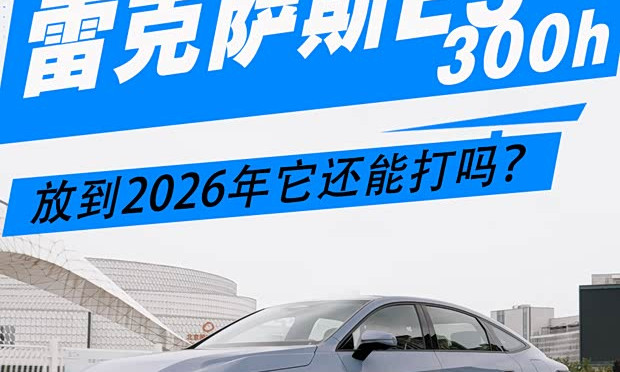
The all-new Lexus ES 300h has arrived in China, and Autohome's detailed review asks whether this Japanese luxury sedan can still hold its own in a market increasingly dominated by tech-laden domestic models. The verdict: it's a mixed bag, with standout craftsmanship and comfort, but some notable omissions in rear-seat amenities.
Design and Interior: A Study in Restraint
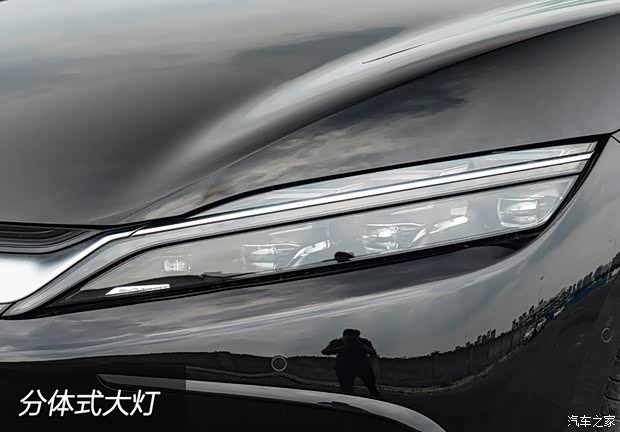
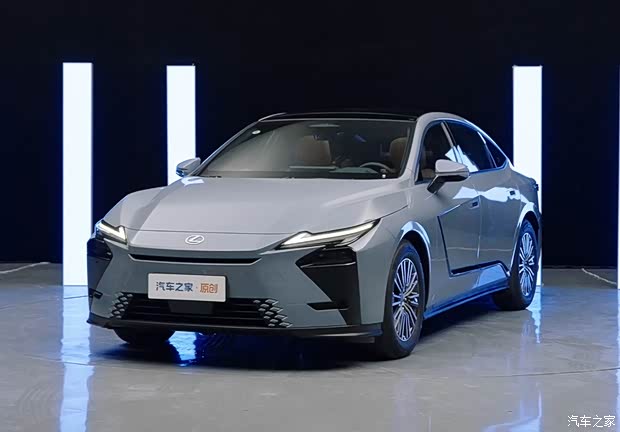
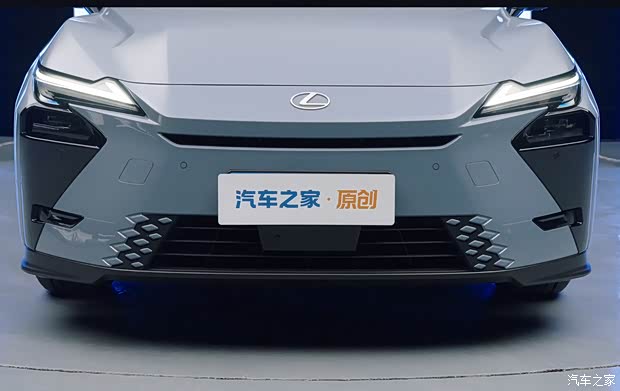
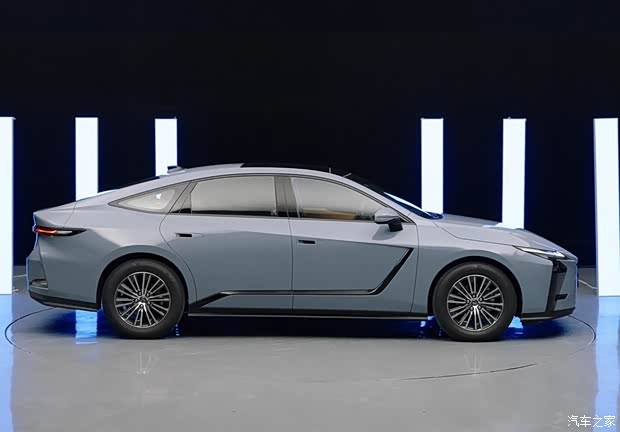
Exterior styling remains controversial, with the signature spindle grille now frameless and flanked by new matrix LED headlights. The side profile, however, draws criticism for a heavy look, partly due to a "shrimp line" crease that fails to slim the silhouette. The 18-inch wheels with 235/60 R18 tires look small, though they promise ride comfort. Two premium paint options—苍蓝 (azure) and 超音速流光金属色 (sonic流光 metallic)—cost an extra 5,200 yuan (about $732), with titanium silver as a no-cost alternative.
Inside, the ES impresses with minimalist, wabi-sabi-inspired design. The cabin features a horizontal layout, with a chestnut leather and bamboo trim combo in the test car. Physical backlit buttons for climate control are a tactile delight, and material quality is top-notch. The 14-inch touchscreen runs a China-specific LEXUS Interface system, offering improved fluency and supporting CarPlay, CarLife, and Huawei HiCar. Voice control handled two and a half out of three test commands, successfully operating windows and climate but failing to play music on request.
Rear-seat passengers get a wide leather armrest but little else—no seat adjustments, only vents and power outlets. In contrast, Chinese rivals at this price point typically offer a full suite of rear amenities. However, seat comfort and cushion length earn praise.
Space and Practicality: Generous but Compromised
At 5,140 mm long with a 2,950 mm wheelbase, the ES approaches the upper limit of mid-large sedans. A 180 cm tester found ample legroom and four fingers of headroom in both rows. The transmission tunnel hump, a legacy of the global platform's AWD availability in North America, is noticeable. Front storage is adequate, including a center console that holds two water bottles, while the rear door pockets accommodate two more. The 487-liter trunk fits eight carry-on suitcases, but the rear seats don't fold, and the spare tire has been removed, leaving underfloor space for odds and ends.
Autohome notes that the ES 300h's ride comfort is a potential strength, with the thick tires likely absorbing bumps well, though dynamic testing was reserved for a later segment. The review concludes that while the ES retains its core virtues of refinement and build quality, it faces an uphill battle against feature-rich domestic EVs and PHEVs in China's fiercely competitive market.
Based on reporting by 汽车之家. Edited and published in English by geisou.