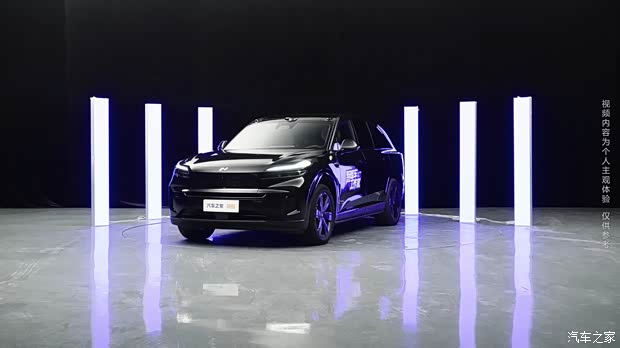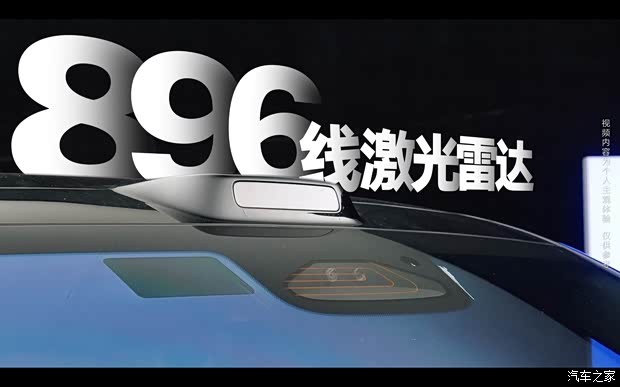
Lexus's ES 300h has long been a default choice for Chinese buyers who want a comfortable, low-stress executive sedan. A detailed review from Chinese outlet Autohome, based on a real-world road test, confirms that reputation - but also exposes where the Japanese brand is losing ground to domestic electric and plug-in rivals.
Low running costs are the car's biggest selling point
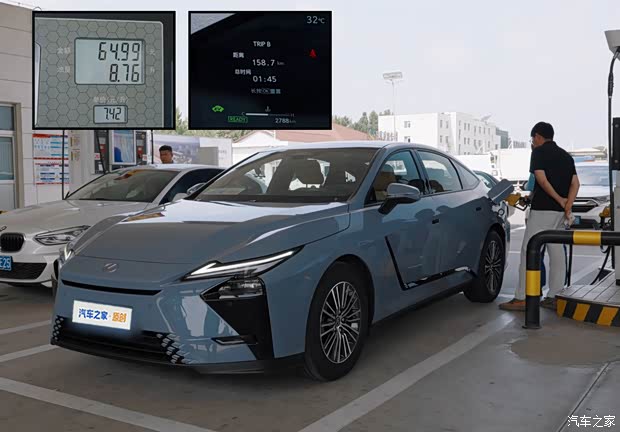
The Autohome test measured fuel consumption of 5.52 litres per 100 km over a 158.7 km highway run at an average speed of 91.56 km/h. The ES 300h runs on regular 92-octane petrol, which works out to about 0.41 yuan (roughly 6 US cents) per kilometre in fuel costs - a figure few luxury sedans can match.
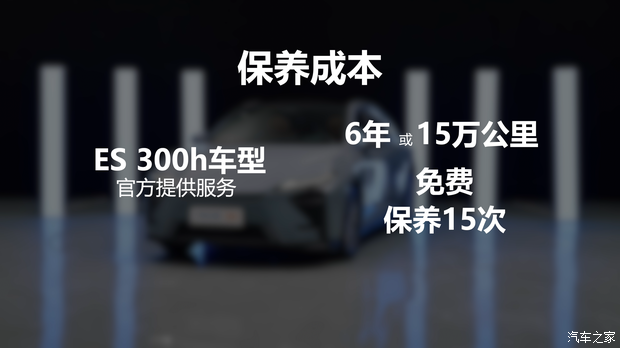
Lexus also throws in 15 free maintenance visits over six years or 150,000 km, covering oil, filters, brake pads and spark plugs. Autohome notes that owners who want to maximise the plan should service every 4.8 months or every 8,000-10,000 km, and says the same applies to the ES 200.
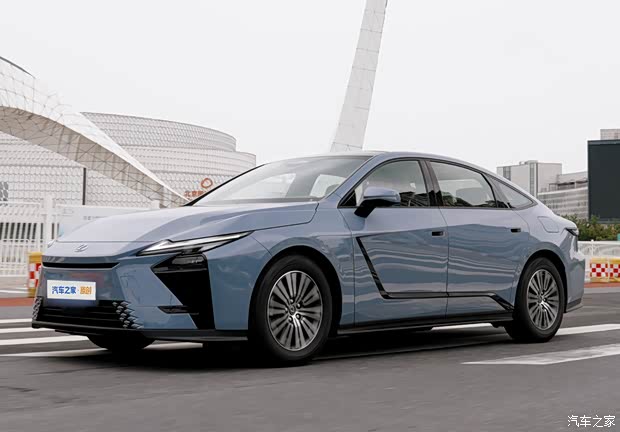
Refinement is the second pillar. In urban driving the hybrid system runs mostly on electric power at low speeds, with seamless transitions between petrol and electric drive. The soft suspension and thick tyres absorb bumps well, and the cabin is wrapped in soft-touch materials with a bamboo-style translucent trim panel. Autohome says the car feels stable and relaxing whether used for commuting or long highway trips.
Where the ES 300h falls behind
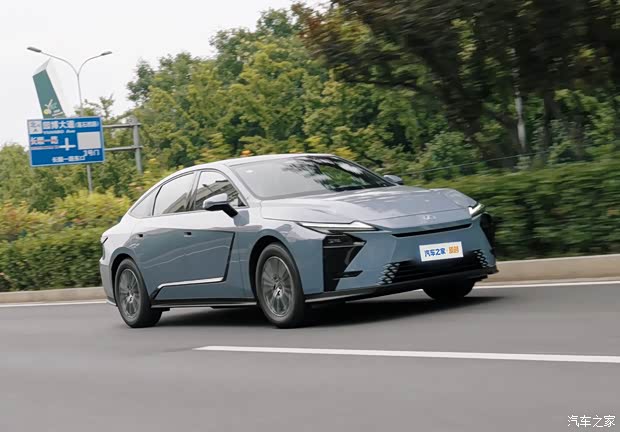
The first weakness is power. The switch to a 2.0-litre hybrid system means a 0-100 km/h time of 9.4 seconds - adequate for city driving, but Autohome found the engine runs out of breath when overtaking on the highway or climbing a steep hill fully loaded. Floor the throttle and the engine gets loud without delivering much acceleration, and there is no driving fun on twisty roads.
The second issue is equipment. The rear seats lack ventilation, heating and entertainment functions, and there is no refrigerator. The driver assistance suite is limited to basic adaptive cruise control for highways, with no more advanced highway or city NOA (urban advanced driver assistance) features. Autohome contrasts this directly with Chinese new-energy models at similar prices, which offer far more intelligent driving capability and rear-seat comfort for the money.
The verdict from Autohome is clear: the ES 300h remains a sensible choice for buyers who prioritise fuel economy, low maintenance costs and a quiet, comfortable ride, and who do not want to fuss over their car. But those who want strong acceleration, generous rear-seat features or cutting-edge driver assistance will likely be disappointed.
Based on reporting by 汽车之家. Edited and published in English by geisou.