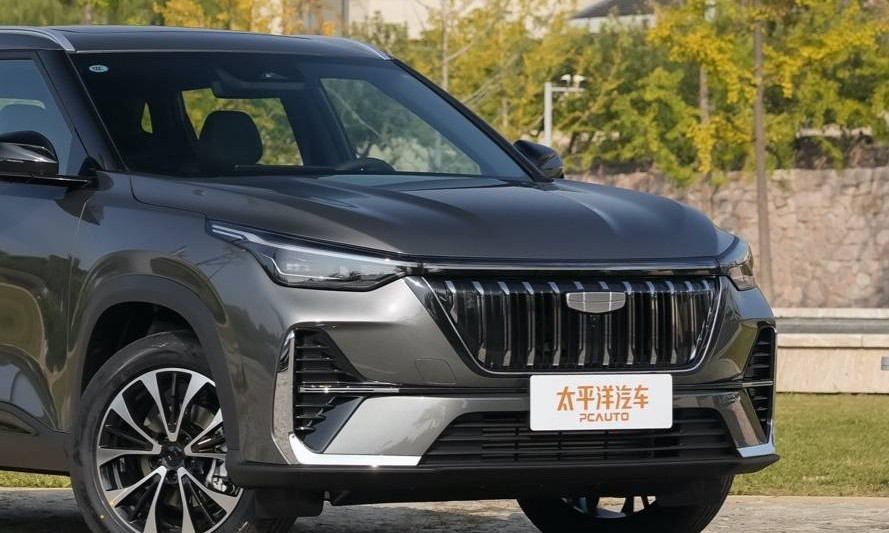
A car that sells for the equivalent of $20,000 in China rarely arrives abroad at the same price, and the difference is not only shipping. Between the factory gate and a foreign showroom there are several steps, each of which changes the car, the name and the price.
1. Homologation
Every market has its own type approval. In the European Union that means whole-vehicle type approval against UNECE regulations: crash performance, lighting, emissions, software. The UK, Australia and Southeast Asia each run their own version. These tests are expensive, and they usually reshape a car's front-end structure, lighting and sometimes its battery management software.
2. Charging and software
A Chinese-market car typically charges on GB/T connectors and runs services tied to Chinese app stores and cloud services. Export versions get CCS2 — or NACS for North America — a different telematics stack, and often a different infotainment build with local navigation and voice assistants.
3. The badge
Some brands sell under their own name; others are sold by a partner, or rebadged entirely. Geely, SAIC and Chery operate multiple marques, and several Chinese-built cars are sold abroad under European brand names. When that happens the underlying platform is often identical to the Chinese model, which is why the same car can score differently in a Chinese and a European test.
4. Tariffs and duties
Duties are the last step and the most volatile. The European Union applies countervailing duties on Chinese-built EVs, the United States applies a much higher rate, and several other markets have introduced their own measures. Check the current rate for your market rather than relying on a figure printed in an older article.
What that means for buyers
Two rules are worth remembering. A car arriving under a European badge may still be a Chinese car underneath, so comparisons with the Chinese version are meaningful. And the price abroad is a policy outcome as much as a manufacturing one: it can change with a customs notice rather than a model year.