Hainan, China's southern island province, has unveiled a phased plan to accelerate electric vehicle adoption, setting a 2027 goal for new-energy vehicles to make up at least 70% of all new car sales in the province. The policy also reaffirms the province's ambition to ban the sale of fuel-only cars by 2030, according to PCauto.
The plan is designed as a gradual transition rather than a sudden shift. The 2027 target serves as a key intermediate milestone to cultivate the market and build supporting infrastructure ahead of the full sales ban. Officials have clarified that the 2030 ban applies to sales, not driving: vehicles already registered before that date will still be allowed to undergo annual inspections and be driven on the road, without restricting existing owners.
Infrastructure and vehicle mix
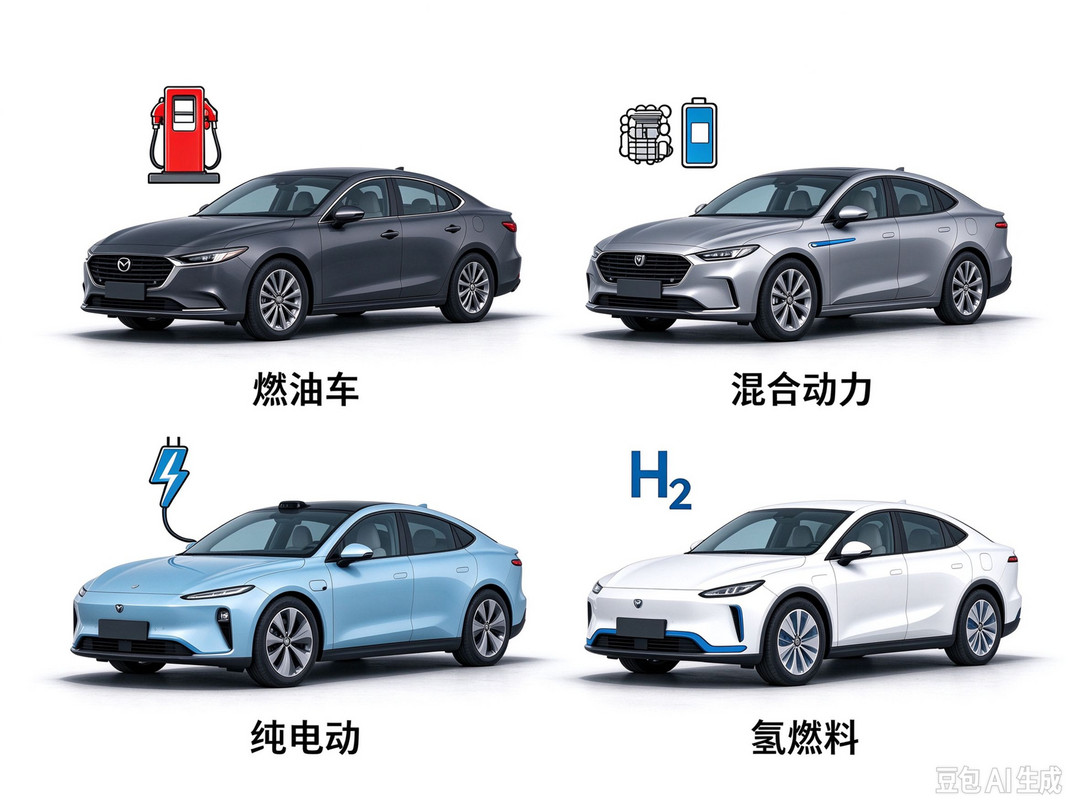
To support the transition, Hainan is pushing forward with a unified network of charging and battery-swap stations. The province plans to maintain a ratio of 2.5 vehicles per charging point by 2030, and will pilot the electrification of public fleets in the capital, Haikou. Beyond battery-electric vehicles (BEVs), the policy counts plug-in hybrids (PHEVs) and range-extender electric vehicles (EREVs) as new-energy vehicles, and will also pilot hydrogen fuel-cell vehicles in tourist coaches and medium- and heavy-duty freight trucks to diversify clean-energy options.
Hainan was the first province in China to set a clear timeline for banning fuel-car sales, and has consistently pursued a step-by-step approach. Public transport and commercial vehicles will be prioritized for replacement, with private car buyers expected to follow. For automakers, the policy signals that product planning for the Hainan market should shift early toward new-energy models.