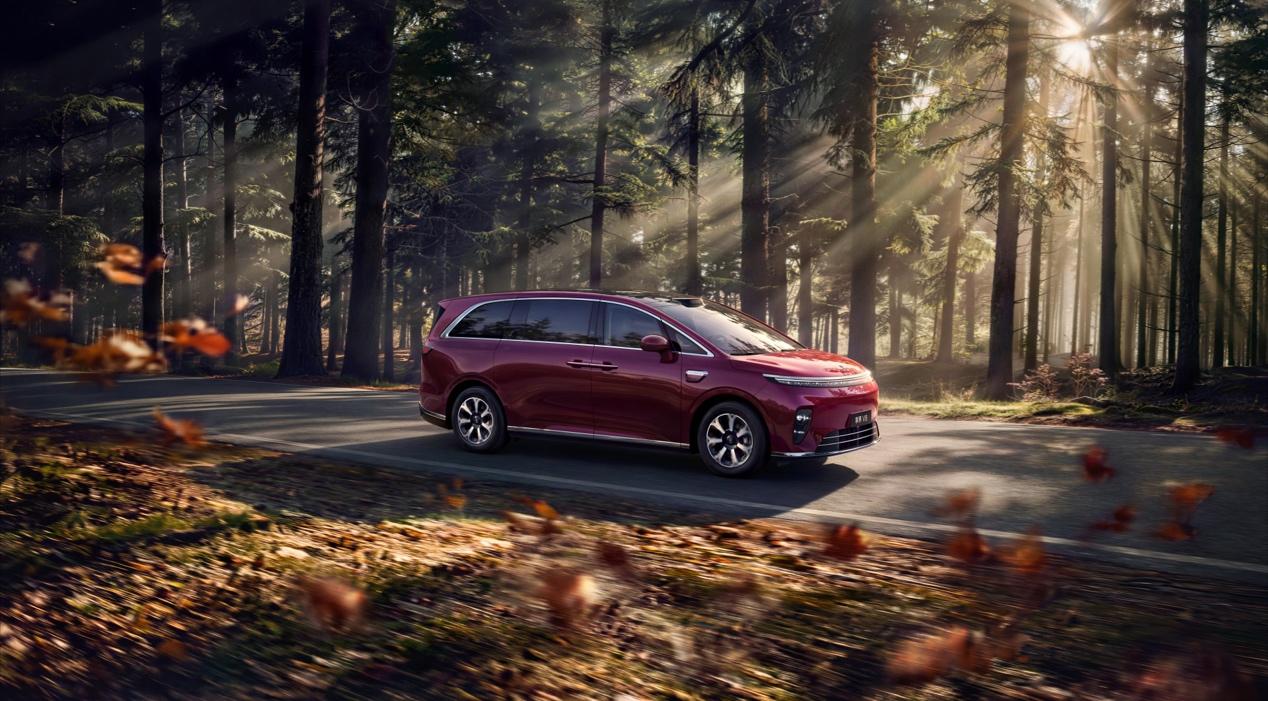
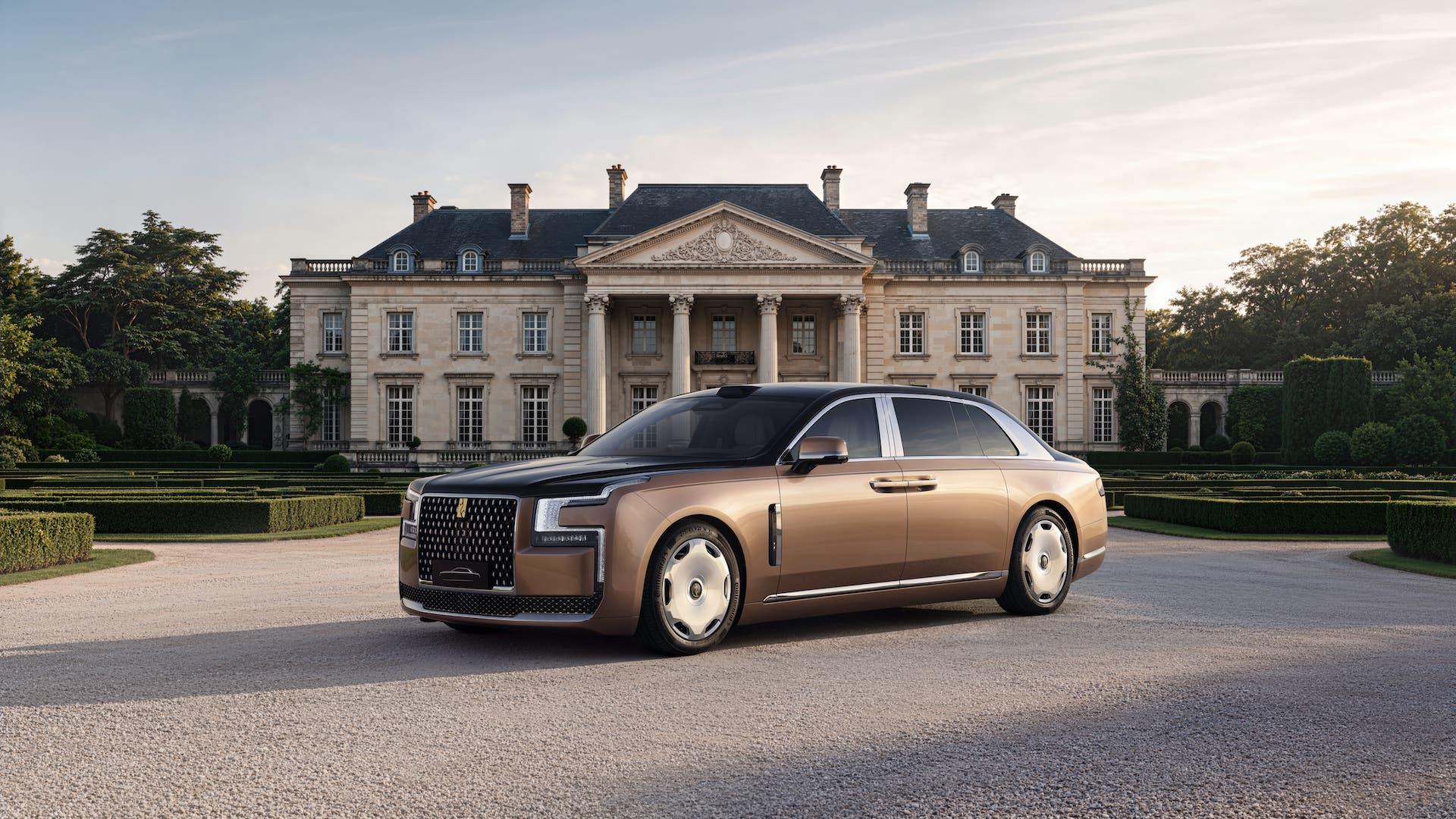
GAC Aion has launched the Ray7, the first model in its new Ray series, in the Chinese market. The electric sedan is available in five trims, with prices ranging from 123,800 to 153,800 yuan (about $17,400 to $21,700). A limited-time promotional price starts at 114,700 yuan (about $16,200), according to PCauto.
The Ray7 targets younger private buyers with a sleek fastback design, a drag coefficient of 0.22 Cd, and a 61-liter front trunk. It measures 4,960 mm long, 1,900 mm wide, and 1,455 mm tall, with a wheelbase of 2,920 mm. Seven exterior colors are offered, including a special "Midsummer Purple" paint that is free for a limited time.
Powertrain and range
The car is rear-wheel drive, powered by a Huawei DriveONE electric motor producing 180 kW (about 241 hp). It accelerates from 0 to 100 km/h in 6.8 seconds and reaches a top speed of 180 km/h. Two battery options from CATL are available: a 45.58 kWh pack providing a CLTC range of 530 km, and a 62.98 kWh pack with a CLTC range of 702 km (approximately 560-595 km WLTP, est.). The car's energy consumption is rated at 9.7 kWh per 100 km under CLTC. Fast charging from 30% to 80% takes 21 minutes.
The battery uses GAC's "Magazine Battery 2.0" safety technology, which the company says has passed nail penetration tests without catching fire. The system includes both vehicle-side and cloud-based battery monitoring.
Smart driving and interior
The Ray7's high-end trims come with a 192-line lidar and an ADAS system developed with WeRide, based on the same technology as its L4 autonomous driving solution. The system includes 27 sensors: one lidar, three 4D millimeter-wave radars, 11 cameras, and 12 ultrasonic radars. It supports highway and city navigation-assisted driving, as well as features like U-turns on single-lane roads and parking assistance from parking spot to parking spot.
Inside, the Ray7 features a 15.6-inch 2.5K central touchscreen and a digital instrument cluster. The cockpit is powered by a Qualcomm Snapdragon 8295P chip with 24 GB of RAM and 128 GB of storage, and supports Apple CarPlay and Huawei HiCar. The front seats offer ventilation, heating, massage, and a zero-gravity mode.
The car rides on a front double-wishbone and rear five-link suspension, with an optional EMB (electro-mechanical brake) system on higher trims for improved heat dissipation. Wheel options are 17-inch and 19-inch, the latter fitted with Michelin PS EV tires.
The Ray7 enters a highly competitive segment in China's BEV (battery-electric) market. PCauto notes that consumers are increasingly looking beyond spec sheets to overall experience, including body size, chassis quality, smart features, and range efficiency. Whether the Ray7 can win over young buyers remains to be seen.