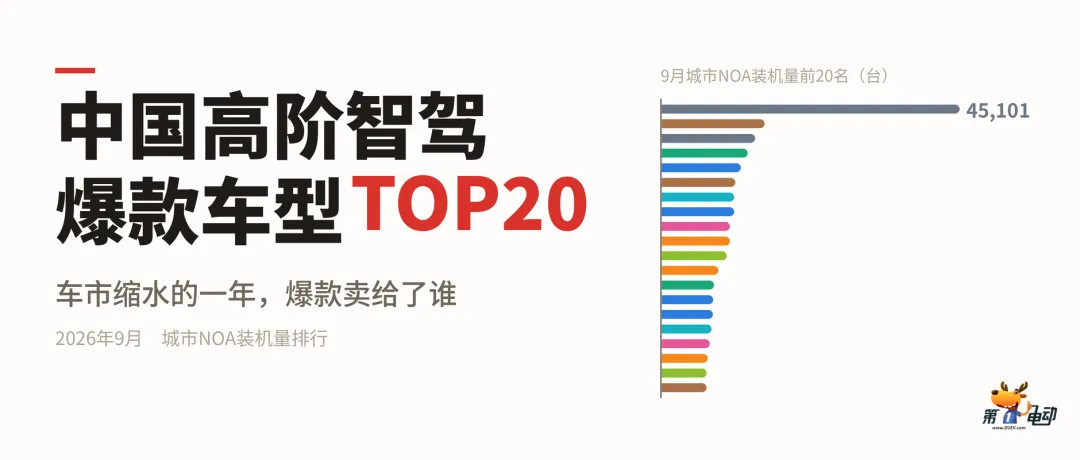
The European Union is set to impose an annual import cap of 350,000 units on Chinese hybrid vehicles, according to a draft plan seen by Bloomberg. The safeguard measure could take effect as early as December 1, with the quota rising by 6% each year from the second year. The four-year agreement commits both sides to WTO rules. This move aims to slow the influx of Chinese hybrids, which have surged in Europe this year, with monthly deliveries from brands like BYD reaching as high as a quarter of all such vehicles sold, according to the report from First Electric (D1EV).
Tokyo prepares for autonomous vehicles
The Tokyo Metropolitan Police Department plans to establish a dedicated unit for autonomous driving by April 2027, focusing on licensing and accident investigations. This would be the first such department among Japan's prefectural police forces. The move comes as Waymo, an Alphabet subsidiary, announced plans to launch robotaxi services in Tokyo in 2027. The new unit will serve as the contact point for license applications from Waymo and other operators, as L4 autonomous vehicles require approval from prefectural public safety commissions. The question of criminal liability in accidents involving driverless vehicles remains unresolved.
US EV sales slump, Canada eyes European model
US electric vehicle sales fell 31% year-on-year in the first nine months of 2026, accounting for only 6% of total auto sales, according to Motor Intelligence. This compares with 8.5% in the same period last year, when consumers rushed to buy before the $7,500 federal tax credit expired. Meanwhile, nearly half of Canadians would prefer their auto market to shift toward a European model with more small cars and electric options, according to a survey by Abacus Data for the Canadian think tank Clean Energy Canada. The survey of nearly 2,800 Canadian adults found 47% favored the European approach, while only 21% supported continued U.S. influence.
In Europe, Volkswagen CEO Oliver Blume called on policymakers to support the industry's transition, calling it a "shared responsibility." Stellantis is betting on affordable small EVs to regain market share, unveiling six of nine concept cars at the Paris Motor Show, including affordable models to compete with Chinese rivals. Renault CEO described the EU-China hybrid agreement as a "milestone" that will help European automakers secure future growth.
In other developments, Honda plans to sell a Mitsubishi-built Triton pickup truck under its own brand in Southeast Asia and other markets as early as 2028, marking Honda's first badge-engineering deal in nearly 30 years. Toyota has introduced a low-interest financing scheme in Thailand, known as "zankure," to counter Chinese EV competition. The plan sets a residual value, reducing monthly payments by about 30% compared to standard loans.
Xpeng says its autonomous driving system can adapt to European roads quickly, requiring only about two weeks to fine-tune between countries, according to Liu Xianming, head of Xpeng's general intelligence center. He said the data needed for adaptation is only one ten-thousandth of that used to train the underlying AI model.