China and the European Union have reached a consensus on trade in hybrid and electric vehicles after intensive consultations under their trade and investment dialogue mechanism, and the auto industry on both sides is lining up to welcome the result. The agreement, struck under the framework of the World Trade Organization (WTO), is built on three principles: fact-based assessment, non-discrimination and compliance, according to a statement from the China Association of Automobile Manufacturers (CAAM).
CAAM said the consensus will help stabilise industry expectations on both sides, keep automotive supply chains smooth and stable, and create a more predictable environment for carmakers' trade and investment cooperation. It also serves the common interests of industry and consumers and helps avoid an escalation of trade friction, the association said.
Chery Group issued a separate statement supporting the positive outcome of the China-EU trade and investment consultation mechanism. The company said the two sides' auto industries are highly complementary with broad room for cooperation, and it welcomed continued dialogue to properly handle differences and push cooperation forward.
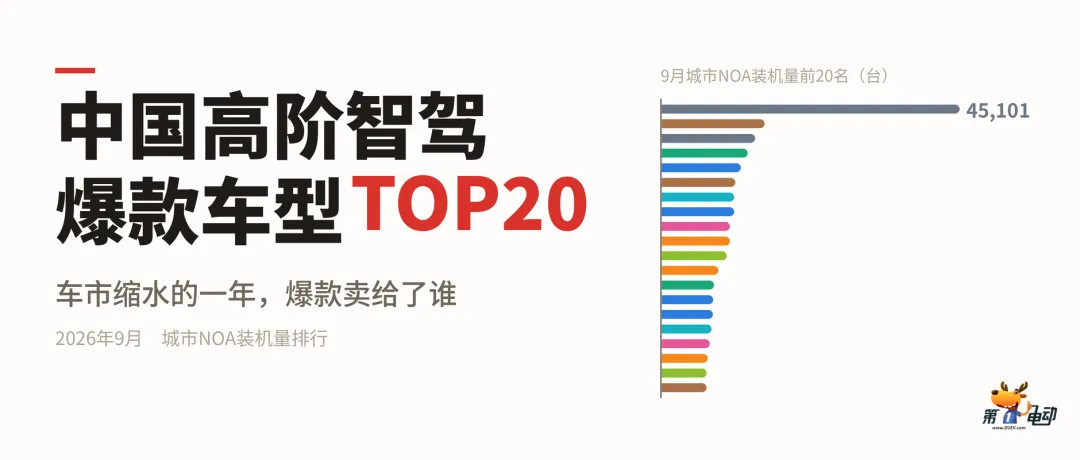
BMW Group chairman Oliver Zipse made his first visit to China since taking office on October 13, and used the trip to reaffirm the company's backing for open cooperation. According to the Chinese outlet First Electric, Zipse said BMW firmly supports open markets and free trade, and that open international dialogue matters more than ever amid rising challenges. He also said only fair competition can drive technological progress, describing China as one of the world's most demanding benchmark markets. BMW plans to produce more than 95 percent of the cars it sells in China locally by 2030.
Industry-wide support
The statements from CAAM, Chery and BMW show a unified industry response to the China-EU deal, which comes as European policymakers weigh tariffs on Chinese-made electric vehicles. The consensus is intended to cool a dispute that has threatened to raise costs for consumers and disrupt supply chains that span both regions.
Chinese carmakers have been expanding into Europe, with brands such as BYD, MG and Chery selling EVs in the region, while European manufacturers including BMW and Volkswagen rely heavily on China both as a market and as a production base. The agreement signals a preference for negotiation over retaliation, a stance echoed by both Chinese industry bodies and foreign brands operating in China.
First Electric, which republished the report from Gasgoo, noted that industry players from associations to multinational carmakers are embracing open cooperation to bring certainty to the global auto industry's transformation. No specific tariff rates or implementation timelines were disclosed in the statements.