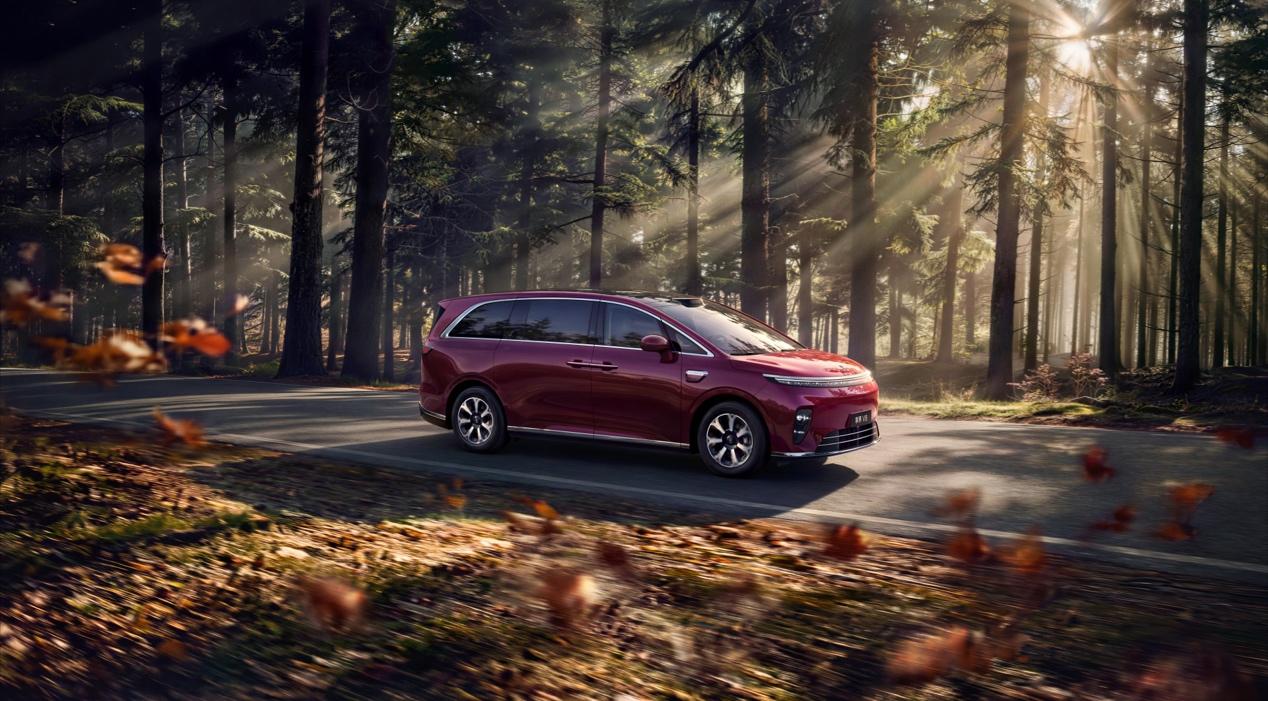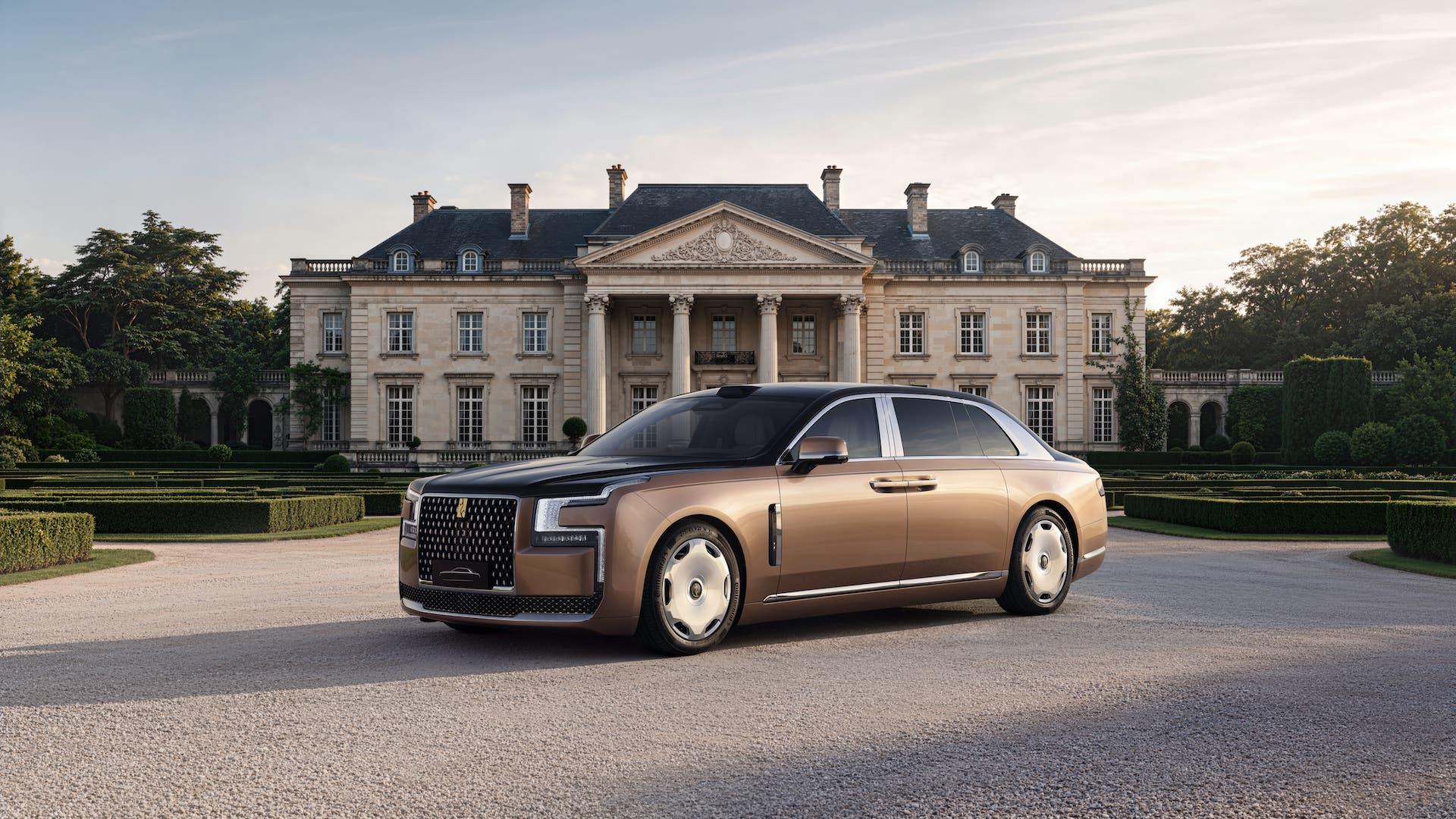
On Nov. 12, Avatr opened its normally closed testing site to a live-streamed visit and showed off 1,300 test cars that had completed their mission, according to NetEase Auto. The vehicles, worth more than 600 million yuan (about $84.5 million), went through crash, durability, extreme-temperature and water-wading tests before being scrapped, with none to be sold on the used market.
The event also included a destructive battery test: Avatr Technology president Yong Jun hammered an inverted CATL battery pack, increasing the force several times while the casing stayed intact. Avatr used the moment to restate its commitment that every model uses a CATL pack from a single supplier, with no mixing. Overall, the company says its testing investment has reached 6 billion yuan (about $845 million), far more than the visible cost of the scrapped hardware.
The display was also a response to a broader industry debate. As speed becomes the competitive priority in China's crowded new-energy market, development cycles for many models have been squeezed to 16-18 months. Some manufacturers lean more on computer simulation, cut real-car road testing and hand over unfinished software, relying on over-the-air (OTA) updates to patch problems later.
The hidden cost of speed
Simulation covers most routine driving conditions, but real-world use is messier: minus 40 degrees Celsius cold, 50-degree summer heat, flooded roads after heavy rain and a decade of component ageing. These overlapping conditions are hard to model on a computer. Short-cutting validation, the article argues, means transferring some of the trial-and-error work from the factory to the customer.
Avatr says its standards go beyond the national minimum. Where the industry's IP68 water-resistance benchmark involves soaking for 30 minutes, Avatr says it tests for 48 hours. Frameless doors are cycled 300,000 times in alternating high and low temperatures and water-spray conditions, equivalent to roughly 28 years of daily use. Dynamic wading coverage runs to 7 kilometres (4.3 miles) in varied depths and speeds. Cumulative validation is more than 3.5 million kilometres (2.2 million miles), including two winters and two summers, million-level durability testing and more than 100 full-vehicle crash tests.
Visible specs vs. invisible homework
Consumers usually compare screens, seat features, assisted-driving specs and acceleration, all printed on the spec sheet. But durability, corrosion resistance and safety across years of ownership are invisible. Yong put it in a common Chinese parable: quality is the bear paw, while fridges, TVs and big sofas are the fish. Avatr, he said, tries to have both. The remark was not dismissing cabin comfort and smart features, but arguing they should not come at the cost of validation.
High testing spending does not guarantee zero faults; cars are complex products, and absolute perfection does not exist. But writing off vehicles that will never be sold shows a choice: absorb the risk before production rather than let drivers discover problems on the road. For buyers of electric cars, the message is to look beyond the spec sheet and ask how many kilometres a model actually travelled, and what extreme tests it survived, before launch.